How is Heart Failure Treated?
The treatment options for heart failure vary from patient to patient depending on several factors, including the underlying cause of the condition, the severity of heart failure, the patient's age and overall health, and how well the heart is functioning.
At Hoag, our multidisciplinary Heart Failure Program develops personalized treatment plans designed to help control symptoms, slow disease progression, improve heart function, and enhance quality of life. Using the latest evidence-based therapies and advanced technology, our team provides comprehensive care for patients across every stage of heart failure.
Visit here to learn more about the advanced methods we use at Hoag to diagnose heart failure.
Treatment options for heart failure may include:
Monitoring and Lifestyle Changes
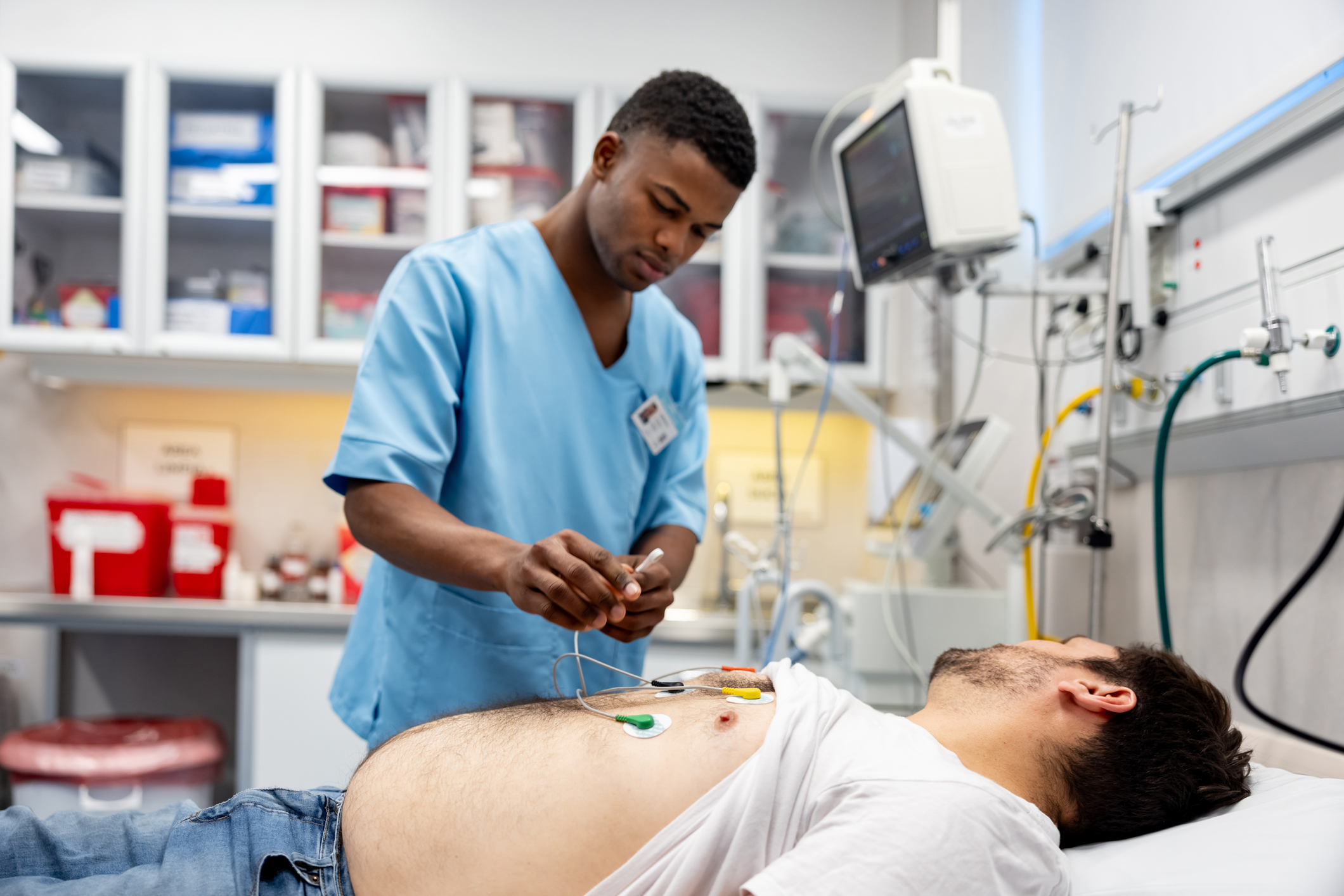
Patients diagnosed with heart failure require ongoing monitoring by their cardiology team to help manage symptoms and reduce the risk of disease progression.
Lifestyle modifications are often an important part of treatment and may include:
Eating a heart-healthy diet that is low in sodium, saturated fat, and added sugars while emphasizing fruits, vegetables, lean proteins, and whole grains.
Participating in regular physical activity as recommended by your physician.
Managing contributing conditions such as high blood pressure, diabetes, high cholesterol, obesity, and sleep apnea.
Reducing stress and maintaining a healthy weight.
Quitting smoking and avoiding recreational drug use.
Limiting alcohol consumption.
Medications
Medications play a critical role in treating heart failure by improving heart function, relieving symptoms, slowing disease progression, and reducing hospitalizations.
Depending on your condition, medications may include:
ACE inhibitors, ARBs, or ARNIs to reduce blood pressure and improve the heart's pumping ability.
Beta blockers to reduce heart rate and decrease the workload on the heart.
Diuretics ("water pills") to reduce excess fluid and relieve swelling and shortness of breath.
Mineralocorticoid receptor antagonists (MRAs) and SGLT2 inhibitors to improve heart failure outcomes.
Digoxin to strengthen heart contractions and help regulate heart rhythm when appropriate.
Blood thinners for patients at increased risk of developing blood clots.
Implantable Cardiac Devices
For some patients, implantable devices can improve heart function, restore a normal heart rhythm, or reduce the risk of life-threatening arrhythmias.
Treatment options may include:
Traditional Pacemakers
Implantable devices that monitor and regulate abnormal heart rhythms by delivering electrical impulses to help the heart beat normally.
Leadless Pacemakers
Inserted through a minimally invasive procedure, leadless pacemakers eliminate the need for wires (leads), reducing complications and promoting faster recovery. Hoag was among the first hospitals in the United States to implant the Abbott AVEIR™ DR, the nation's first dual-chamber leadless pacemaker.
Implantable Cardioverter Defibrillators (ICDs)
Devices that continuously monitor heart rhythm and automatically deliver life-saving therapy if dangerous arrhythmias occur.
Cardiac Resynchronization Therapy (CRT)
CRT uses a specialized pacemaker to improve coordination between the heart's chambers, helping the heart pump more efficiently and improving symptoms for selected heart failure patients.
How is Advanced Heart Failure Treated?
For some patients, heart failure continues to progress despite medications, lifestyle modifications, and conventional therapies. Advanced Heart Failure (Stage D) requires specialized evaluation and access to advanced treatment options designed to improve heart function, relieve symptoms, and enhance quality of life.
Hoag's Advanced Heart Failure Program provides comprehensive evaluation and personalized treatment plans for patients with complex heart failure through a multidisciplinary team of advanced heart failure cardiologists, cardiac surgeons, advanced practice providers, nurses, rehabilitation specialists, and dedicated care coordinators.
Advanced Treatment Options
When heart failure progresses beyond conventional therapies, advanced treatment options may help stabilize heart function and improve outcomes.
Depending on a patient's condition, treatment options may include:
Mechanical circulatory support, including temporary and durable devices that help the heart pump blood more effectively.
Advanced management of cardiogenic shock, including rapid evaluation and escalation of mechanical circulatory support when appropriate.
Cardiac resynchronization therapy (CRT) optimization for patients who continue to experience symptoms.
Implantable hemodynamic monitoring devices, such as CardioMEMS™, that allow physicians to detect changes in heart failure before symptoms worsen.
Left Ventricular Assist Device (LVAD) therapy.
Heart transplant evaluation and coordination with regional transplant centers.
Every treatment plan is personalized based on each patient's condition, overall health, and treatment goals.
Left Ventricular Assist Device (LVAD) Therapy
For patients with advanced or end-stage heart failure whose symptoms no longer improve with medication or other treatments, a Left Ventricular Assist Device (LVAD) may provide an advanced treatment option. An LVAD is a surgically implanted mechanical pump that helps the weakened left ventricle circulate blood throughout the body, improving blood flow and reducing the workload on the heart.
LVAD therapy may be recommended as a bridge to heart transplant, helping patients remain healthy while awaiting a donor heart, or as destination therapy for patients who are not candidates for transplant but could benefit from improved heart function and quality of life. For many patients, an LVAD can reduce heart failure symptoms, improve exercise tolerance, and decrease hospitalizations.
At Hoag, patients being evaluated for an LVAD receive care from a multidisciplinary Advanced Heart Failure team that provides comprehensive evaluation, implantation, education, and lifelong follow-up to help patients achieve the best possible outcomes.
Heart Transplant Evaluation
For patients whose heart failure continues to progress despite advanced therapies, heart transplantation may become an appropriate treatment option.
Hoag provides comprehensive heart transplant evaluation, medical optimization, and ongoing management while coordinating care with regional transplant centers. Our Advanced Heart Failure team remains actively involved before and after transplant to ensure seamless continuity of care throughout the patient's journey.
Surgical Procedures
For some patients, surgery may be recommended to treat an underlying condition contributing to heart failure or to improve heart function.
Procedures may include:
Alcohol septal ablation for hypertrophic cardiomyopathy.
Percutaneous coronary intervention (PCI) to restore blood flow in blocked coronary arteries.
Coronary artery bypass grafting (CABG) for advanced coronary artery disease.
Heart valve repair or replacement for structural valve disease contributing to heart failure.
Cardiac Rehabilitation
Cardiac rehabilitation is a physician-supervised outpatient program that helps patients improve cardiovascular health through exercise, education, and lifestyle modification following a cardiac event or procedure.
Eligible heart failure patients may benefit from cardiac rehabilitation to improve endurance, reduce symptoms, and enhance quality of life.
Hoag offers cardiac rehabilitation programs in both Newport Beach and Irvine. Participation is available by physician referral.