








Hoag Memorial Hospital Presbyterian
1 Hoag Drive, Building #41
Newport Beach, CA 92663
949-722-6237
Laser Interstitial Thermal Therapy (LITT)
Laser interstitial thermal therapy (LITT) is a minimally invasive technique for brain tumor treatment that enables surgeons to precisely target tumors that are difficult to reach with traditional methods.
Chemotherapy/Systemic Therapy
Chemotherapy uses powerful drugs or chemicals to directly attack cancerous cells. Systemic Therapy is a non-surgical treatment option for cancer patients. Systemic therapy is when drugs are administered into a patient’s blood stream to stop or slow the growth of cancerous cells. Biological therapy, also referred to as “Immunotherapy” utilizes the body immune system to fight cancer cells.
Radiation Oncology
Hoag’s Radiation Oncology Program offers the widest range of radiation therapy options available, ensuring every treatment plan is precisely tailored to each patient.
Stereotactic Body Radiation Therapy (SBRT)
Stereotactic Radiation Therapy (SRT) is an intermediate technique, with many of the characteristics of both Stereotactic Radiosurgery (SRS) and Image-Guided Intensity-Modulated Radiation Therapy (IG-IMRT). When applied outside of the brain, this technique is often called Stereotactic Body Radiation Therapy (SBRT).
Precision Medicine Program
Hoag’s Precision Medicine Program combines genomics and genetics to diagnose, treat, and prevent diseases. Using the latest advances in genomic technologies, targeted therapies and research, our precision medicine program brings together a multidisciplinary team, including a robust genetic counseling group of experts, to provide patients with the latest in innovation and technology.
Tumor Boards

Tumor boards* are a meeting of Hoag’s top experts in their respective subspecialties to determine the best approach for a patient’s individual cancer case.
Cancer Clinical Trials
Early development clinical trials (phase I and II) are novel drug therapies that examine new treatments that provide options beyond standard of care. During these trials, researchers are carefully examining the best way to administer the treatment, determine how much can be safely given, identify important potential side effects, as well as assess cancer response.
As Orange County’s top choice for cancer care, Hoag has deep expertise in treating challenging brain tumors, including gioblastoma, astrocytoma, oligodendroglioma, neningioma, ependymoma, medulloblastoma, germ cell tumors and other brain metastases and rare tumors. Our specialists have deep experience diagnosing and treating brain tumors, using groundbreaking techniques and the latest research to improve outcomes and save lives.
Using a collaborative, multidisciplinary approach, your medical team includes neurosurgeons, radiation oncologists, neuro oncologists, neuroimaging specialists, pathologists, nurse navigators and other support specialists working together as an integrated team. This group of experts regularly holds a brain tumor-specific conference to discuss diagnosis, treatment and management of your individual care.
Your physician will likely start by discussing your symptoms and your personal and family health history, followed by a thorough physical exam. If your doctor finds cause for concern, you will be referred to a specialist in conditions of the nervous system and brain. Depending on the outcome of that visit, you may be asked to complete certain tests or procedures. At Hoag, these may include:
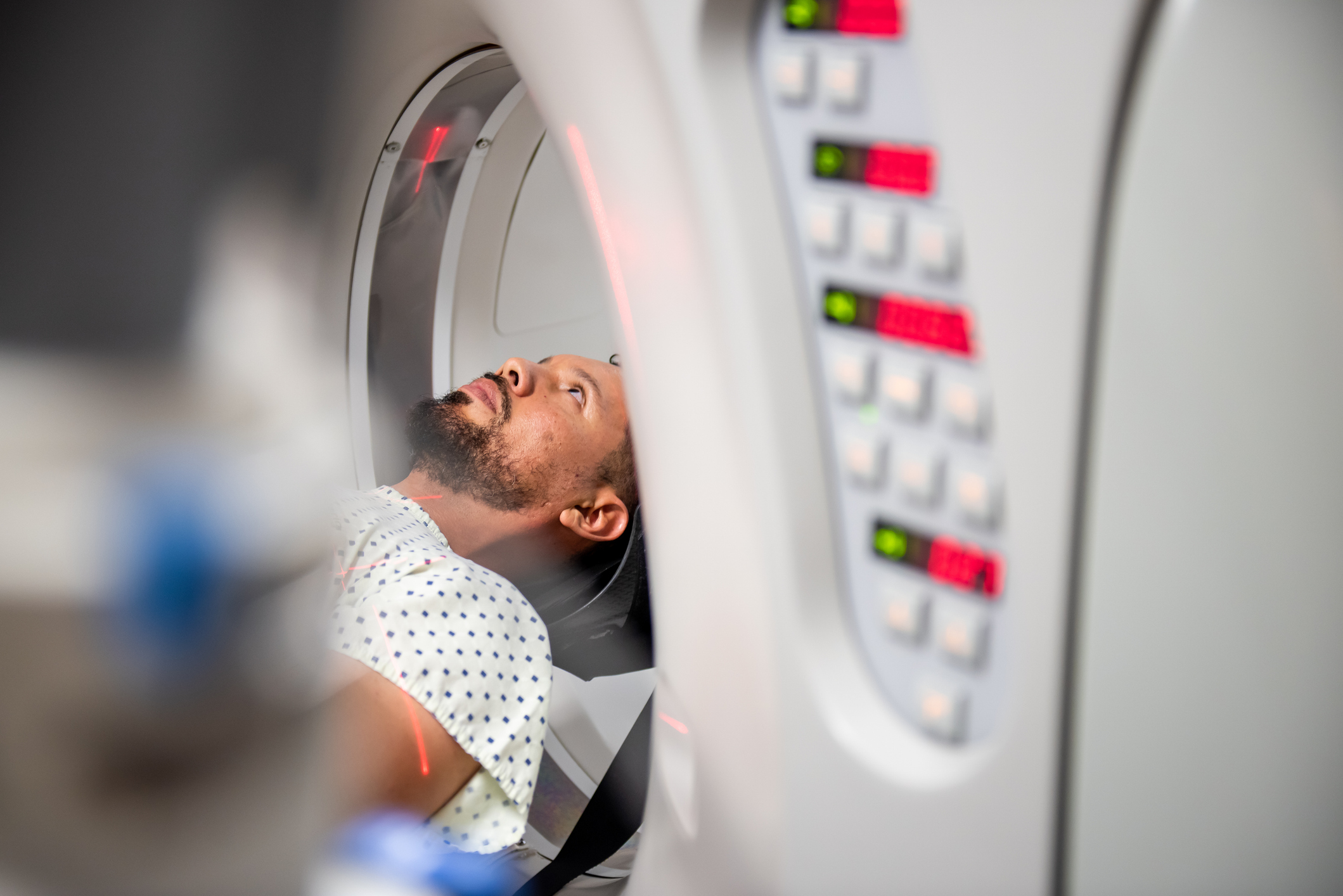
Computed tomography (CT) scans
Magnetic resonance imaging (MRI) scans
Positron emission tomography (PET) scans
If these imaging tests find evidence of a brain tumor, your doctor may recommend a biopsy to determine the type of tumor and other factors. A stereotactic biopsy is performed by inserting a hollow needle through the skull and into the tumor to extract a small tissue sample, which is then tested in a lab.
Hoag’s Precision Medicine program combines genomics and genetics to develop targeted therapies, creating the highest degree of accuracy in the diagnosis, treatment and prevention of diseases. Using the latest advances in research, genomic technologies and targeted therapies, the program provides patients with the latest innovations in medicine. Learn more about Precision Medicine at Hoag.
Treatment options for brain tumors depend on many different factors, including your age, overall health, how much the tumor has spread, where it is located in your brain and other considerations.
At Hoag, treatment options for brain tumors may include:
Surgery, which is usually performed through an opening made in the skull called a craniotomy. Often, the surgeon will rely on detailed medical imaging scans to plan the surgery to minimize damage to healthy brain tissue, or advanced techniques like cortical mapping to help preserve more normal brain function. At Hoag, we utilize the only PET/MRI instrument in Orange County to precisely guide surgical intervention in the brain.
Precision Virtual Reality medical visualization platform by Surgical Theater
Hoag is also a leader in the use of Gamma Knife Radiosurgery (SRS) and conformal focused radiation therapy. Learn more about Hoag's Radiation Oncology program
Radiation therapy, which involves beaming radiation into the tumor to kill cancerous cells.
ViewRay MRIdian linear accelerator for stereotactic body radiation therapy (SBRT) and intensity modulated radiation therapy (IMRT)
Drug therapy, including to help regulate the amount of hormones in the blood caused by tumors near the pituitary gland.
Chemotherapy, in which drugs that disrupt the growth of tumors are introduced into the blood, usually over a period of weeks or months.
Advanced immunotherapy and biologics, use a patient’s own cells and immune system to find and destroy tumor cells.
Adoptive cell therapy (i.e. CAR-T cells) is a form of immunotherapy where immune cells are removed from a patient’s bloodstream, reprogrammed to attack a protein found in brain tumors and reintroduced to destroy cancer. CAR-T is showing huge potential for brain tumor treatment.
Genomically-guided therapy uses a patient’s DNA to determine which mutations affect responses to a particular drug and are most likely to be effective.
Oncolytic virotherapy is an emerging treatment that uses anticancer viruses to destroy cancerous tissues without causing harm to normal tissues.
Alternating tumor treating fields are mild, electrical fields that pulse through a patient to disrupt a tumor’s ability to grow and spread. The fields are delivered through a device worn on a patient’s scalp. Studies have shown promise in survival rates without many of the side effects of traditional treatment.
Brain tumors are abnormal masses of cells that can occur within the brain. These tumors can be either malignant (cancerous) or benign (non-cancerous). However, because brain tumors occur in the complex, delicate organ that controls most of our bodily functions — including thinking, memory, breathing, speech, vision, hearing and dozens of other important processes — all brain tumors are considered dangerous to a person’s health.
While malignant brain tumors don’t often spread (or “metastasize”) to other parts of the body, malignant brain tumors often spread to other parts of the brain. While benign brain tumors are not likely to spread, they can intrude on and press against healthy brain tissue as they grow, causing damage to the brain and life-threatening effects.
Tumors that begin in the brain are called “primary brain tumors.” However, other types of cancer that start in the body can spread to the brain. This results in what are called “secondary brain tumors” or “metastatic brain cancer.”
According to the American Cancer Society, brain tumors are classified based on several different factors. These factors often guide both the treatment path and prognosis.
Brain tumors are usually assigned what’s called a “grade.”
Lower grade tumors (grades 1 and 2) aren’t as likely to invade other tissues and grow more slowly. Prognosis for lower-grade tumors is generally better
Higher grade tumors (grades 3 and 4) grow more rapidly, and are more likely to spread into other parts of the brain. These tumors often require more invasive treatment efforts, and may have a worse long-term prognosis
There are many different types of brain tumors, each usually classified by where they start in the brain or the type of cells they started from. Types of brain tumors include:
Craniopharyngiomas, which are tumors that begin between the bottom of the brain and the pituitary gland. These tumors often press on the hypothalamus or the pituitary gland, and can cause issues with hormone secretion. Because they often occur close to the optic nerves, they can also cause problems with vision.
Glioblastomas (also called GBM) are grade 4 malignant (cancerous) tumors predominantly made up of abnormal astrocytic cells, but also contains a mix of different cell types (including blood vessels) and areas of dead cells (necrosis). Glioblastomas can invade nearby regions of the brain and may also sometimes spread to the opposite side of the brain. It is exceedingly rare for glioblastomas to spread outside of the brain and spinal cord.
Gliomas, which are tumors that start in specialized cells in the brain called glial cells. There are several subtypes of gliomas, including ependymomas, astrocytomas and oligodendrogliomas. According to the American Cancer Society, about 30% of brain tumors are gliomas.
Meningiomas are tumors that start in meninges, which are the tissues that cover the outer part of the brain and spinal cord. According to the ACS, meningiomas are the most common non-metastatic brain tumors in adults.
Gangliogliomas, which are rare, slow-growing tumors that include a mix of both abnormal glial cells and neurons.
Medulloblastomas, which are tumors that develop in the cerebellum from immature nerve cells called neuroectodermal cells. Medulloblastomas are more common in children and adults.
Schwannomas (AKA neurilemmomas), which are tumors that develop from specialized cells that protect and insulate nerves called Schwann cells. These tumors can begin in any nerve in the skull. When they occur on the nerve that controls balance and hearing, they are called “vestibular schwannomas.” Other forms of schwannomas can intrude on the upper spinal cord, causing issues with bowel/bladder control, muscle weakness and other effects.
Both cancerous and non-cancerous brain tumors cause symptoms that can severely impact a person’s health. These symptoms can be caused by malignant tumors spreading to other parts of the brain, or non-cancerous tumors pressing on nerves, the pituitary gland, spinal cord or brain tissue. Brain tumors can also increase what’s called intracranial pressure inside the skull, either through the growth of the tumor, causing the brain to swell, or blocking the movement of cerebrospinal fluid that the brain needs to function.
According to the American Cancer Society, symptoms caused by increased intracranial pressure due to a brain tumor can include:
Headaches that grow in severity over time. While most headaches aren’t related to brain tumors, headaches are the most common symptom experienced by those with brain tumors, occurring in about half of those diagnosed according to the ACS.
Unexplained drowsiness
Sudden onset of coma
Unexplained nausea or vomiting
Blurred vision
Seizures, though over 90% of first-time seizures are not related to brain tumors.
Changes to a person’s behavior or personality
Issues with balance or walking
Other symptoms related to brain tumors can vary, depending on the part of the brain in which the tumor occurs. According to the American Cancer Society, these symptoms can include:
Problems understanding words or speaking, which can be related to a tumor in the cerebellum near the part of the brain responsible for speech and language.
Numbness or weakness, usually on only one side of the body, which can be related to a tumor in the part of the cerebellum that controls movement.
Changes to personality or problems thinking, which can be related to tumors in the cerebellum.
Trouble walking, issues with control of the hands and feet, problems swallowing and/or issues with controlling the eyes, which may be related to tumors in the lower-rear part of the cerebellum.
Vision problems, which can be related to tumors near the optic nerve or other cranial nerves that control eye movement.
Hearing loss, numbness or pain in the face, trouble swallowing and/or balance issues, which may be related to tumors pressing on or invading nerves in the head.
Bladder/bowel control issues and/or numbness/weakness in the arms and legs, which can be related to tumors near the spinal cord.
Over- or underproduction of certain hormones, which can be related to tumors in the skull base or near the pituitary gland. This can create hormone imbalances that seriously impact the normal function of the body. Learn more about skull base and pituitary tumors.