
Hoag Memorial Hospital Presbyterian
1 Hoag Drive, Building #41
Newport Beach, CA 92663
949-722-6237
Hoag is committed to leading the way in state-of-the-art technologies and advanced treatment options. Part of this commitment includes clinical research with the goal of helping patients live longer, healthier lives. Through carefully planned clinical trials, researchers evaluate the safety and effectiveness of new ways to diagnose, treat and prevent diseases or conditions. Treatments studied in clinical trials might be new drugs or new combinations of drugs, new surgical procedures or devices, or new ways to use existing treatments. View clinical trials for brain cancer here.
Our clinical trials in the areas of brain tumors and immunotherapy/cell therapy provide groundbreaking treatments that are helping to beat the odds against brain cancer.
Hoag is the top choice for cancer care in Orange County, with cancer survival rates that continually exceed national averages. Our dedicated, world-class teams are wholly focused on helping you survive cancer, heal and move forward with your life.
Our neurosurgeons use Precision Virtual Reality® to turn MRI and CT scans into immersive 3D models of your brain, allowing both patients and surgeons to visualize and plan procedures with unmatched accuracy. This innovative approach enhances precision, reduces risk, and helps patients feel informed and confident before surgery.

Hoag is the top choice for cancer care in Orange County, with cancer survival rates that continually exceed national averages. Our dedicated, world-class teams are wholly focused on helping you survive cancer, heal and move forward with your life.
At Hoag, you can trust you’re in expert hands. Our doctors use the most advanced techniques, guided by the latest clinical research, to ensure you receive the highest level of care possible.






1 Hoag Drive, Building #41
Newport Beach, CA 92663
949-722-6237

16105 Sand Canyon Ave.
Irvine, CA 92618
(949) 722-6237

1 Hoag Drive, Building #47
Newport Beach, CA 92663
949-764-1880

19582 Beach Blvd., #219
Huntington Beach, CA 92648
714-477-8130
Get care from medical providers that fit your needs in a location near you.
Find a providerFind information made to guide and support you on your journey.
See all resourcesDidn’t see what you’re looking for? Reach out and we’ll make sure you get what you need.
Contact usCraniopharyngiomas are tumors that begin between the bottom of the brain and the pituitary gland. These tumors often press on the hypothalamus or the pituitary gland, and can cause issues with hormone secretion. Because they often occur close to the optic nerves, they can also cause problems with vision.
Glioblastomas (also called GBM) are grade 4 malignant (cancerous) tumors predominantly made up of abnormal astrocytic cells, but also contains a mix of different cell types (including blood vessels) and areas of dead cells (necrosis). Glioblastomas can invade nearby regions of the brain and may also sometimes spread to the opposite side of the brain. It is exceedingly rare for glioblastomas to spread outside of the brain and spinal cord.
Gliomas are tumors that start in specialized cells in the brain called glial cells. There are several subtypes of gliomas, including ependymomas, astrocytomas and oligodendrogliomas. According to the American Cancer Society, about 30% of brain tumors are gliomas.
Meningiomas are tumors that start in meninges, which are the tissues that cover the outer part of the brain and spinal cord. According to the ACS, meningiomas are the most common non-metastatic brain tumors in adults.
Gangliogliomas are rare, slow-growing tumors that include a mix of both abnormal glial cells and neurons.
Medulloblastomas are tumors that develop in the cerebellum from immature nerve cells called neuroectodermal cells. Medulloblastomas are more common in children and adults.
Schwannomas (AKA neurilemmomas) are tumors that develop from specialized cells that protect and insulate nerves called Schwann cells. These tumors can begin in any nerve in the skull. When they occur on the nerve that controls balance and hearing, they are called “vestibular schwannomas.” Other forms of schwannomas can intrude on the upper spinal cord, causing issues with bowel/bladder control, muscle weakness and other effects.
These rare tumors arise from remnants of the notochord and are typically located at the base of the skull or along the spine. They tend to grow slowly but can be aggressive and invasive, often requiring complex surgical approaches.
These malignant tumors arise from cartilaginous tissue and are less common. They often require aggressive treatment due to their potential to invade surrounding structures.
A colloid cyst is a slow-growing, benign cyst that forms near the center of the brain, often at the third ventricle. It can block the normal flow of cerebrospinal fluid, leading to headaches, dizziness, or in rare cases, sudden neurological symptoms. Minimally invasive surgery is often used to remove the cyst and restore fluid balance.
An epidermoid cyst of the brain is a rare, benign tumor that develops from skin-like cells trapped during brain formation. These cysts can grow slowly and press on nerves or brain tissue, causing symptoms like facial pain, hearing loss, or imbalance. Surgical removal is typically recommended for relief and to prevent recurrence.
Gliomas are a group of primary brain tumors that develop from glial cells — the supportive cells that surround and protect neurons in the brain. These tumors can vary in aggressiveness, growth rate, and treatment approach, depending on their type and grade. Treatment often includes a combination of surgery, radiation therapy, and chemotherapy, guided by advanced imaging and molecular diagnostics to tailor care for each patient.
Glioblastoma: The most aggressive form of glioma, glioblastoma tends to grow and spread rapidly. Treatment focuses on maximal surgical removal followed by radiation and chemotherapy to slow progression and improve quality of life.
Ependymoma: Arising from the cells lining the fluid-filled spaces of the brain and spinal cord, ependymomas can block cerebrospinal fluid flow and increase pressure in the brain. Treatment typically involves surgery and radiation therapy.
Astrocytoma: These tumors form from star-shaped glial cells called astrocytes and range from slow-growing (low-grade) to aggressive (high-grade) types. Treatment depends on tumor location and grade, balancing tumor control with preservation of neurological function.
Oligodendroglioma: Originating from cells that produce myelin, these tumors are generally slower-growing and often more responsive to treatment. Genetic testing helps guide therapy, as certain mutations can predict better treatment outcomes.
Hemangioblastomas are rare, benign vascular tumors that occur in the brain or spinal cord. They may cause headaches, problems with balance, or other neurological symptoms depending on their location. Surgical removal is often curative, and ongoing monitoring is important, especially for patients with genetic conditions such as von Hippel-Lindau disease.
These are the most common primary tumors of the skull base. They are usually benign and originate from the meninges. Symptoms can vary depending on their location and size but may include headaches, seizures, or neurological deficits.
Metastatic brain tumors occur when cancer from another part of the body spreads to the brain. Symptoms depend on tumor size and location and can include headaches, seizures, or neurological changes. Treatment options include surgery, radiation, targeted therapy, or a combination to control growth and relieve symptoms.
Olfactory neuroblastoma, also known as esthesioneuroblastoma, is a rare cancer that develops in the upper nasal cavity near the smell nerves. Symptoms can include nasal congestion, nosebleeds, or loss of smell. Treatment often combines surgery, radiation therapy, and sometimes chemotherapy.
These are rare tumors that originate from paraganglia, collections of nerve cells. They are usually benign but can occasionally be malignant.
Sinonasal carcinoma refers to a group of cancers that develop in the nasal cavity or sinuses. These tumors may cause nasal congestion, facial pain, or swelling. Early diagnosis is critical, as treatment typically involves surgery followed by radiation or chemotherapy to preserve function and control disease.
Subependymomas are rare, typically slow-growing tumors that develop from the ependymal cells lining the ventricles of the brain or the central canal of the spinal cord; they are usually noncancerous. When symptoms occur, they may include headaches, balance issues, or changes in vision due to blockage of cerebrospinal fluid flow. Treatment often depends on the size and location of the tumor — some may only require observation, while others are surgically removed to relieve pressure and prevent complications.
These benign tumors develop on the vestibular nerve, which connects the inner ear with the brain. They can cause hearing loss, tinnitus, and balance issues as they grow.
These are generally benign tumors that occur in the pituitary gland. They can affect hormone levels, leading to various systemic symptoms like vision problems, headaches, or hormonal imbalances
Acromegaly is a rare disorder caused by the overproduction of growth hormone (GH). This excess GH leads to abnormal growth of bones, cartilage, and soft tissues in adults.
Cushing's disease is a specific type of Cushing's syndrome, a condition caused by prolonged exposure to high levels of the hormone cortisol. In Cushing's disease, the culprit is a non-cancerous tumor in the pituitary gland that produces too much adrenocorticotropic hormone (ACTH). This excess ACTH then signals the adrenal glands to produce excessive cortisol.
These benign tumors develop near the pituitary gland and can affect its function, leading to hormonal imbalances and vision problems.
A Rathke cleft cyst is a benign, fluid-filled cyst that develops near the pituitary gland. Though noncancerous, it can cause headaches, vision changes, or hormonal imbalances when it grows large enough to press on nearby structures. Treatment may involve monitoring or surgical drainage to relieve symptoms.
Laser Interstitial Thermal Therapy (LITT)
Laser interstitial thermal therapy (LITT) is a minimally invasive technique for brain tumor treatment that enables surgeons to precisely target tumors that are difficult to reach with traditional methods.
Chemotherapy/Systemic Therapy
Chemotherapy uses powerful drugs or chemicals to directly attack cancerous cells. Systemic Therapy is a non-surgical treatment option for cancer patients. Systemic therapy is when drugs are administered into a patient’s blood stream to stop or slow the growth of cancerous cells. Biological therapy, also referred to as “Immunotherapy” utilizes the body immune system to fight cancer cells.
Radiation Oncology
Hoag’s Radiation Oncology Program offers the widest range of radiation therapy options available, ensuring every treatment plan is precisely tailored to each patient.
Stereotactic Body Radiation Therapy (SBRT)
Stereotactic Radiation Therapy (SRT) is an intermediate technique, with many of the characteristics of both Stereotactic Radiosurgery (SRS) and Image-Guided Intensity-Modulated Radiation Therapy (IG-IMRT). When applied outside of the brain, this technique is often called Stereotactic Body Radiation Therapy (SBRT).
Precision Medicine Program
Hoag’s Precision Medicine Program combines genomics and genetics to diagnose, treat, and prevent diseases. Using the latest advances in genomic technologies, targeted therapies and research, our precision medicine program brings together a multidisciplinary team, including a robust genetic counseling group of experts, to provide patients with the latest in innovation and technology.
Tumor Boards
Tumor boards* are a meeting of Hoag’s top experts in their respective subspecialties to determine the best approach for a patient’s individual cancer case.
Cancer Clinical Trials
Early development clinical trials (phase I and II) are novel drug therapies that examine new treatments that provide options beyond standard of care. During these trials, researchers are carefully examining the best way to administer the treatment, determine how much can be safely given, identify important potential side effects, as well as assess cancer response.
As Orange County’s top choice for cancer care, Hoag has deep expertise in treating challenging brain tumors, including gioblastoma, astrocytoma, oligodendroglioma, neningioma, ependymoma, medulloblastoma, germ cell tumors and other brain metastases and rare tumors. Our specialists have deep experience diagnosing and treating brain tumors, using groundbreaking techniques and the latest research to improve outcomes and save lives.
Using a collaborative, multidisciplinary approach, your medical team includes neurosurgeons, radiation oncologists, neuro oncologists, neuroimaging specialists, pathologists, nurse navigators and other support specialists working together as an integrated team. This group of experts regularly holds a brain tumor-specific conference to discuss diagnosis, treatment and management of your individual care.
Your physician will likely start by discussing your symptoms and your personal and family health history, followed by a thorough physical exam. If your doctor finds cause for concern, you will be referred to a specialist in conditions of the nervous system and brain. Depending on the outcome of that visit, you may be asked to complete certain tests or procedures. At Hoag, these may include:
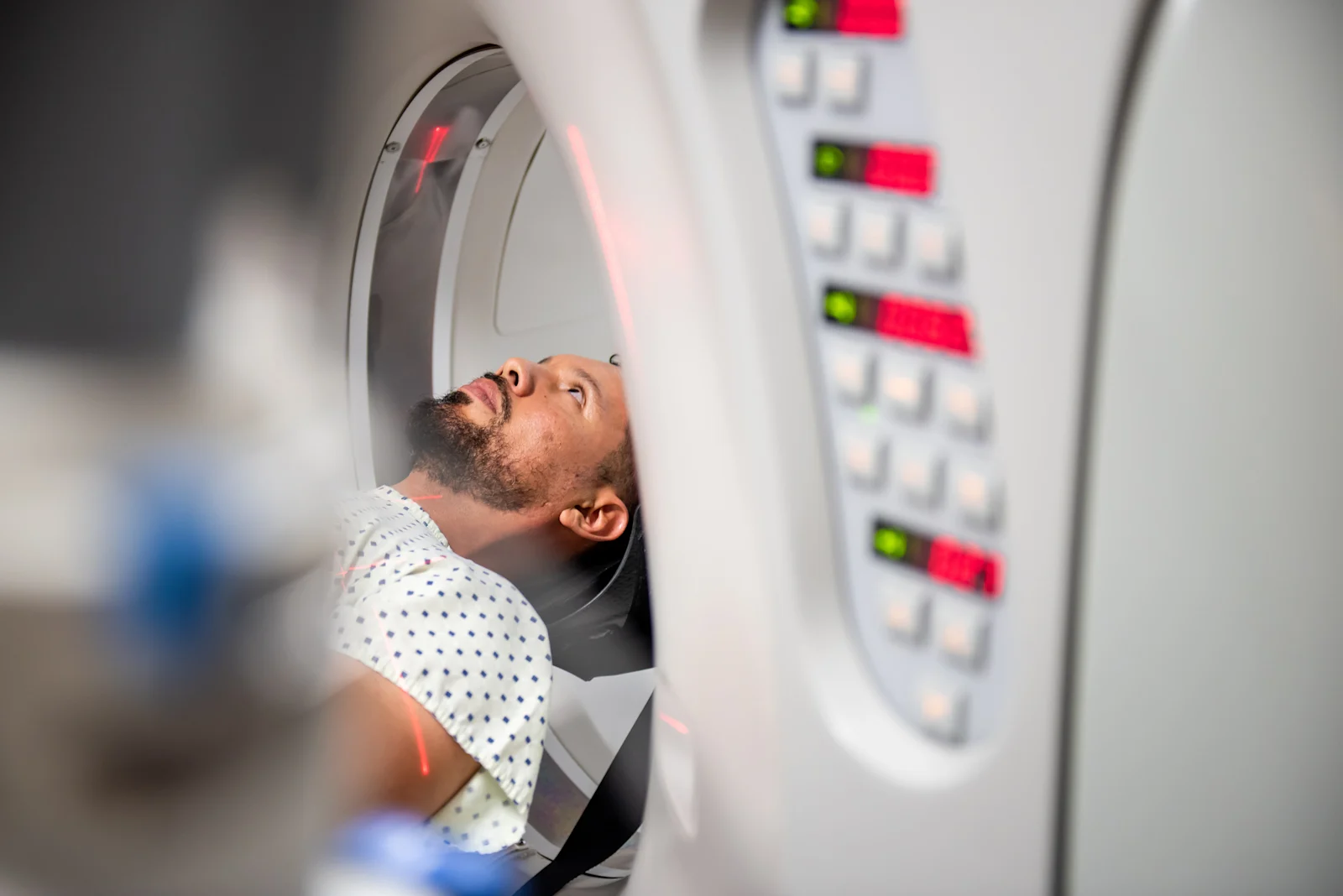
Computed tomography (CT) scans
Magnetic resonance imaging (MRI) scans
Positron emission tomography (PET) scans
If these imaging tests find evidence of a brain tumor, your doctor may recommend a biopsy to determine the type of tumor and other factors. A stereotactic biopsy is performed by inserting a hollow needle through the skull and into the tumor to extract a small tissue sample, which is then tested in a lab.
Hoag’s Precision Medicine program combines genomics and genetics to develop targeted therapies, creating the highest degree of accuracy in the diagnosis, treatment and prevention of diseases. Using the latest advances in research, genomic technologies and targeted therapies, the program provides patients with the latest innovations in medicine. Learn more about Precision Medicine at Hoag.
Treatment options for brain tumors depend on many different factors, including your age, overall health, how much the tumor has spread, where it is located in your brain and other considerations.
At Hoag, treatment options for brain tumors may include:
Surgery, which is usually performed through an opening made in the skull called a craniotomy. Often, the surgeon will rely on detailed medical imaging scans to plan the surgery to minimize damage to healthy brain tissue, or advanced techniques like cortical mapping to help preserve more normal brain function. At Hoag, we utilize the only PET/MRI instrument in Orange County to precisely guide surgical intervention in the brain.
Precision Virtual Reality medical visualization platform by Surgical Theater
Hoag is also a leader in the use of Gamma Knife Radiosurgery (SRS) and conformal focused radiation therapy. Learn more about Hoag's Radiation Oncology program
Radiation therapy, which involves beaming radiation into the tumor to kill cancerous cells.
ViewRay MRIdian linear accelerator for stereotactic body radiation therapy (SBRT) and intensity modulated radiation therapy (IMRT)
Drug therapy, including to help regulate the amount of hormones in the blood caused by tumors near the pituitary gland.
Chemotherapy, in which drugs that disrupt the growth of tumors are introduced into the blood, usually over a period of weeks or months.
Advanced immunotherapy and biologics, use a patient’s own cells and immune system to find and destroy tumor cells.
Adoptive cell therapy (i.e. CAR-T cells) is a form of immunotherapy where immune cells are removed from a patient’s bloodstream, reprogrammed to attack a protein found in brain tumors and reintroduced to destroy cancer. CAR-T is showing huge potential for brain tumor treatment.
Genomically-guided therapy uses a patient’s DNA to determine which mutations affect responses to a particular drug and are most likely to be effective.
Oncolytic virotherapy is an emerging treatment that uses anticancer viruses to destroy cancerous tissues without causing harm to normal tissues.
Alternating tumor treating fields are mild, electrical fields that pulse through a patient to disrupt a tumor’s ability to grow and spread. The fields are delivered through a device worn on a patient’s scalp. Studies have shown promise in survival rates without many of the side effects of traditional treatment.
Brain tumors are abnormal masses of cells that can occur within the brain. These tumors can be either malignant (cancerous) or benign (non-cancerous). However, because brain tumors occur in the complex, delicate organ that controls most of our bodily functions — including thinking, memory, breathing, speech, vision, hearing and dozens of other important processes — all brain tumors are considered dangerous to a person’s health.
While malignant brain tumors don’t often spread (or “metastasize”) to other parts of the body, malignant brain tumors often spread to other parts of the brain. While benign brain tumors are not likely to spread, they can intrude on and press against healthy brain tissue as they grow, causing damage to the brain and life-threatening effects.
Tumors that begin in the brain are called “primary brain tumors.” However, other types of cancer that start in the body can spread to the brain. This results in what are called “secondary brain tumors” or “metastatic brain cancer.”
According to the American Cancer Society, brain tumors are classified based on several different factors. These factors often guide both the treatment path and prognosis.
Brain tumors are usually assigned what’s called a “grade.”
Lower grade tumors (grades 1 and 2) aren’t as likely to invade other tissues and grow more slowly. Prognosis for lower-grade tumors is generally better
Higher grade tumors (grades 3 and 4) grow more rapidly, and are more likely to spread into other parts of the brain. These tumors often require more invasive treatment efforts, and may have a worse long-term prognosis
There are many different types of brain tumors, each usually classified by where they start in the brain or the type of cells they started from. Types of brain tumors include:
Craniopharyngiomas, which are tumors that begin between the bottom of the brain and the pituitary gland. These tumors often press on the hypothalamus or the pituitary gland, and can cause issues with hormone secretion. Because they often occur close to the optic nerves, they can also cause problems with vision.
Glioblastomas (also called GBM) are grade 4 malignant (cancerous) tumors predominantly made up of abnormal astrocytic cells, but also contains a mix of different cell types (including blood vessels) and areas of dead cells (necrosis). Glioblastomas can invade nearby regions of the brain and may also sometimes spread to the opposite side of the brain. It is exceedingly rare for glioblastomas to spread outside of the brain and spinal cord.
Gliomas, which are tumors that start in specialized cells in the brain called glial cells. There are several subtypes of gliomas, including ependymomas, astrocytomas and oligodendrogliomas. According to the American Cancer Society, about 30% of brain tumors are gliomas.
Meningiomas are tumors that start in meninges, which are the tissues that cover the outer part of the brain and spinal cord. According to the ACS, meningiomas are the most common non-metastatic brain tumors in adults.
Gangliogliomas, which are rare, slow-growing tumors that include a mix of both abnormal glial cells and neurons.
Medulloblastomas, which are tumors that develop in the cerebellum from immature nerve cells called neuroectodermal cells. Medulloblastomas are more common in children and adults.
Schwannomas (AKA neurilemmomas), which are tumors that develop from specialized cells that protect and insulate nerves called Schwann cells. These tumors can begin in any nerve in the skull. When they occur on the nerve that controls balance and hearing, they are called “vestibular schwannomas.” Other forms of schwannomas can intrude on the upper spinal cord, causing issues with bowel/bladder control, muscle weakness and other effects.
Both cancerous and non-cancerous brain tumors cause symptoms that can severely impact a person’s health. These symptoms can be caused by malignant tumors spreading to other parts of the brain, or non-cancerous tumors pressing on nerves, the pituitary gland, spinal cord or brain tissue. Brain tumors can also increase what’s called intracranial pressure inside the skull, either through the growth of the tumor, causing the brain to swell, or blocking the movement of cerebrospinal fluid that the brain needs to function.
According to the American Cancer Society, symptoms caused by increased intracranial pressure due to a brain tumor can include:
Headaches that grow in severity over time. While most headaches aren’t related to brain tumors, headaches are the most common symptom experienced by those with brain tumors, occurring in about half of those diagnosed according to the ACS.
Unexplained drowsiness
Sudden onset of coma
Unexplained nausea or vomiting
Blurred vision
Seizures, though over 90% of first-time seizures are not related to brain tumors.
Changes to a person’s behavior or personality
Issues with balance or walking
Other symptoms related to brain tumors can vary, depending on the part of the brain in which the tumor occurs. According to the American Cancer Society, these symptoms can include:
Problems understanding words or speaking, which can be related to a tumor in the cerebellum near the part of the brain responsible for speech and language.
Numbness or weakness, usually on only one side of the body, which can be related to a tumor in the part of the cerebellum that controls movement.
Changes to personality or problems thinking, which can be related to tumors in the cerebellum.
Trouble walking, issues with control of the hands and feet, problems swallowing and/or issues with controlling the eyes, which may be related to tumors in the lower-rear part of the cerebellum.
Vision problems, which can be related to tumors near the optic nerve or other cranial nerves that control eye movement.
Hearing loss, numbness or pain in the face, trouble swallowing and/or balance issues, which may be related to tumors pressing on or invading nerves in the head.
Bladder/bowel control issues and/or numbness/weakness in the arms and legs, which can be related to tumors near the spinal cord.
Over- or underproduction of certain hormones, which can be related to tumors in the skull base or near the pituitary gland. This can create hormone imbalances that seriously impact the normal function of the body. Learn more about skull base and pituitary tumors.
First, at Hoag you are not alone. A cancer diagnosis is the start of a significant journey for you, your family and caregivers and we are with you every step of the way. Hoag’s world-class expertise, leading-edge technology and the latest in diagnostic and treatment options for cancer are enhanced by our rich array of empowering resources and services to prepare, assist and comfort you before, during and after cancer treatment.
We encourage you and your family to join our virtual patient and family orientation class to learn more about Hoag Family Cancer Institute. The class provides information, support and will address questions to help you better prepare for your cancer journey.
Orientations are held the 4th Tuesday of each month from 1:00 – 2:00 p.m. via ZOOM meeting.
Registration is easy, simply go to our orientation registration page and explore available dates. Once you find a date that works for you, select ‘register’ and fill out the information form. We encourage you to contact us along the way with any questions at (949) 722-6237.
Classes can be found here.
The supportive care and survivorship program at Hoag Family Cancer Institute provides care to enhance your quality of life throughout all stages of treatment and recovery. Our supportive care team provides a dedicated nurse navigator, expert pain and symptom management, tools for your mental and physical wellbeing, and so much more. Our goal is to address your changing needs and support you through your cancer treatment and beyond. Below is a full list of our services:
Navigating Life After Diagnosis
Clinical Nurse Navigators
Classes & Support Services
Article
Hoag Family Cancer Institute Leads National Effort to Combat Glioblastoma with Two New Clinical Trials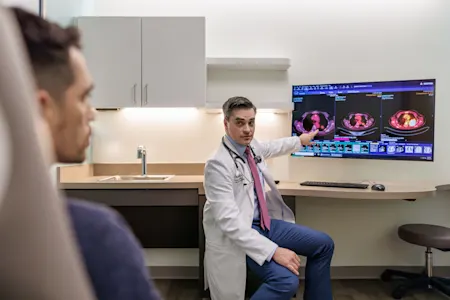
Article
Glioblastoma Clinical Trial Patient May Hold the Key to Tumor Treatment Innovation
Article
Hoag Neurosurgeon Dr. Robert Louis to Collaborate with University of Miami on Advanced Robotic Brain Tumor Treatment Technology
When faced with a brain or spine tumor, you can trust you are with a top-ranked neurosurgical team at Hoag. Our neurosurgeons are leading experts in brain and spine conditions, with expertise in the latest minimally invasive techniques and groundbreaking technology.
The combined comprehensive resources available at the Hoag Family Cancer Institute and Pickup Family Neurosciences Institute deliver a best practice, integrated care setting, with access to the latest clinical trials, and your individual circumstances in mind.

Director of Brain Tumor Program
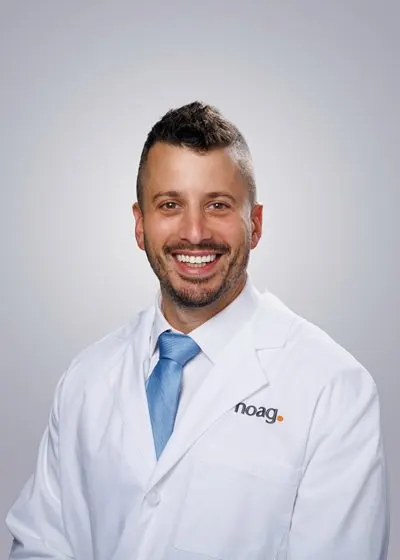
Brain and Skull Base Tumor Neurosurgery
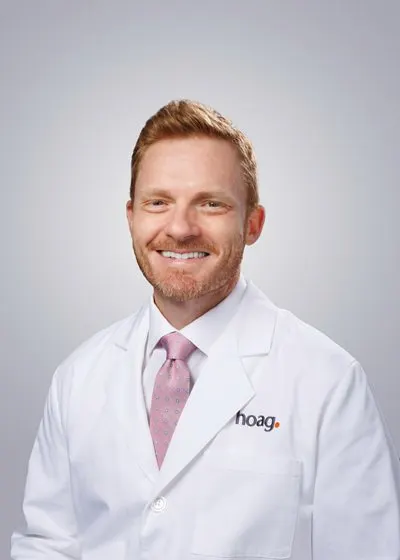
Chief of Neurosurgery

Director of Radiosurgery
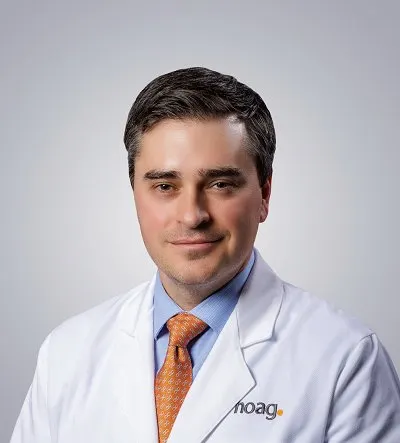
Medical Director, Neuro-Oncology

Medical Director, Radiation Oncology Program

Radiation Oncology
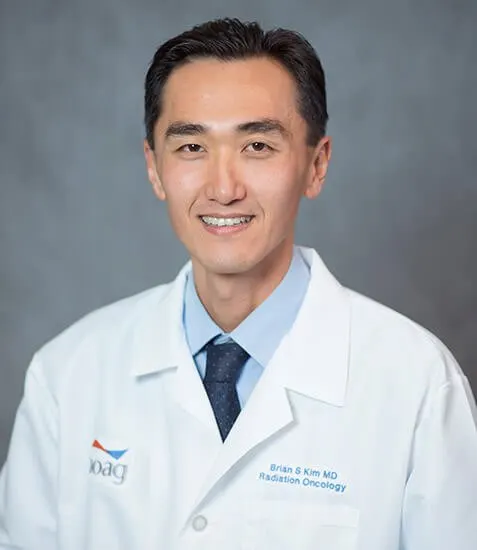
Radiation Oncology
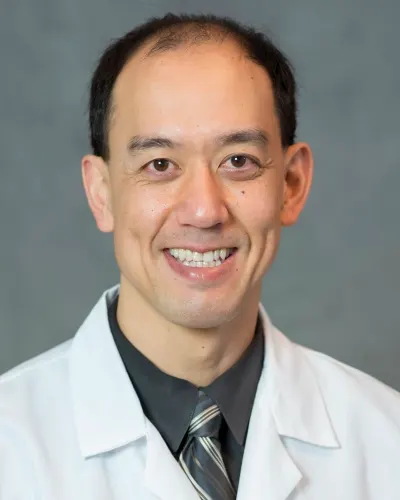
Radiation Oncology

Radiation Oncology
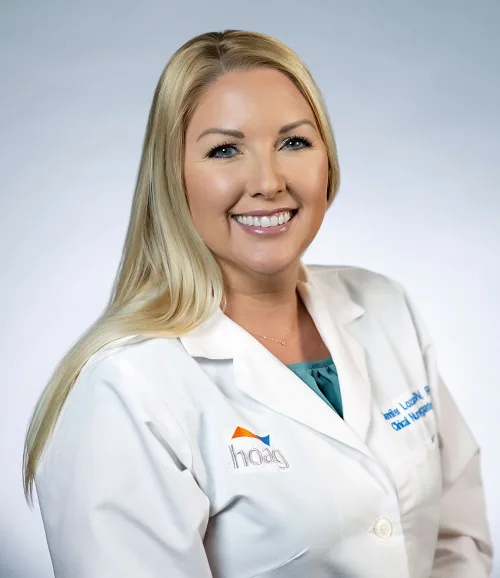
Clinical Nurse Navigator
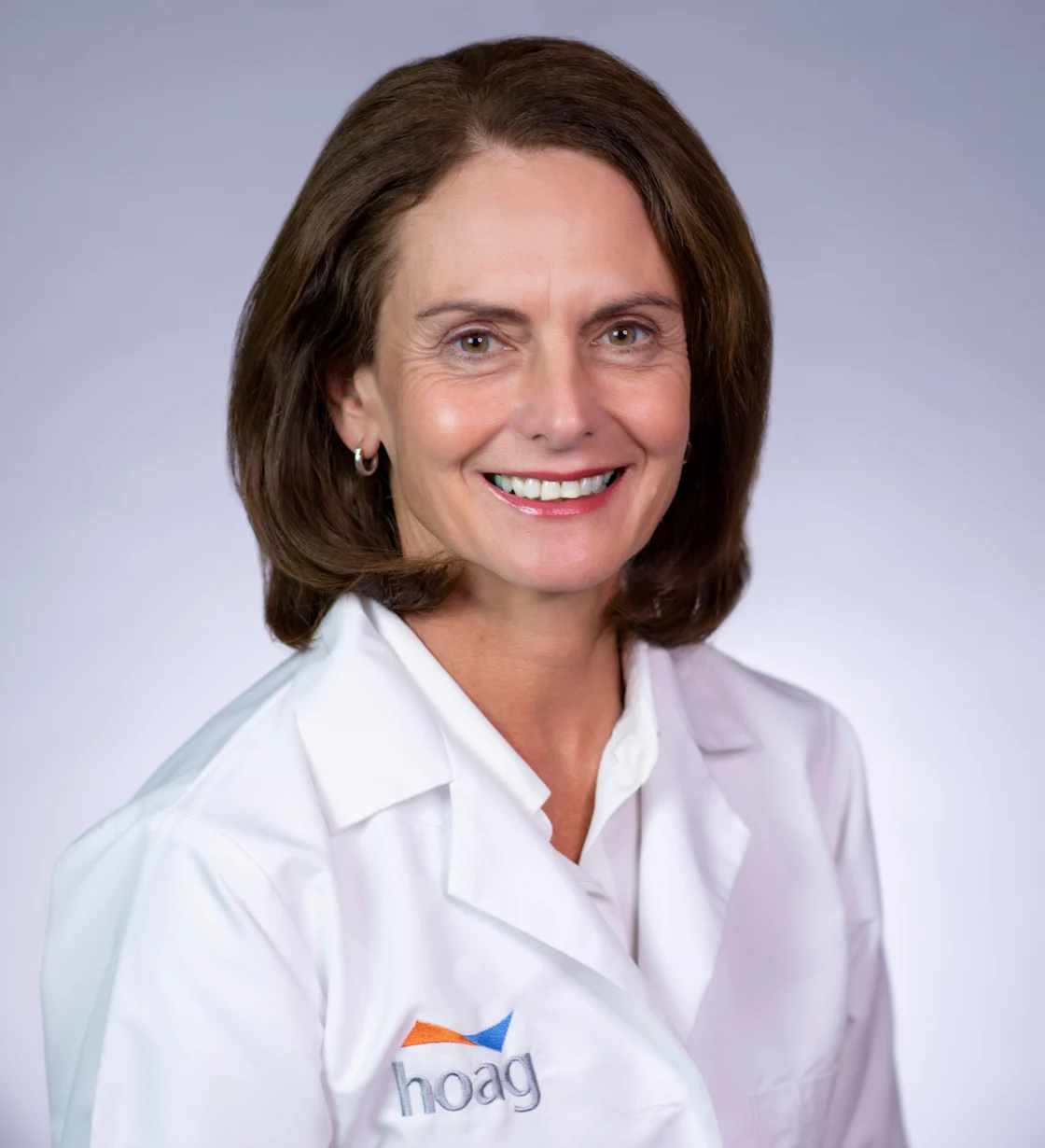
Clinical Nurse Navigator
Hoag’s Precision Medicine Program combines genomics and genetics to diagnose, treat, and prevent diseases. Using the latest advances in genomic technologies, targeted therapies and research, our precision medicine program brings together a multidisciplinary team, including a robust genetic counseling group of experts, to provide patients with the latest in innovation and technology.
Being diagnosed with cancer can feel overwhelming at times. Many patients and their families need help with coping and can benefit from supportive counseling. Oncology Clinical Social Workers are available to provide emotional and practical support during all stages of cancer including diagnosis, treatment and post-treatment survivorship.
Hoag Family Cancer Institute dietitians work closely with patients’ physicians, nurses, therapists, and social workers to ensure complete care.
By submitting this request, you agree to receive communications from Hoag and accept our Privacy Policy and Terms of Use.