Inquire now
Vascular Program
Jeffrey M. Carlton Heart & Vascular Institute
- About
- Conditions
- Diagnostics
- Treatments
- Meet the Team
Hoag is your source for advanced vascular care in Orange County. From spider veins to serious conditions like abdominal aortic aneurysm and deep vein thrombosis, Hoag’s board-certified experts offer minimally invasive treatments and patient-focused care.

IAC-accredited in Vascular Testing
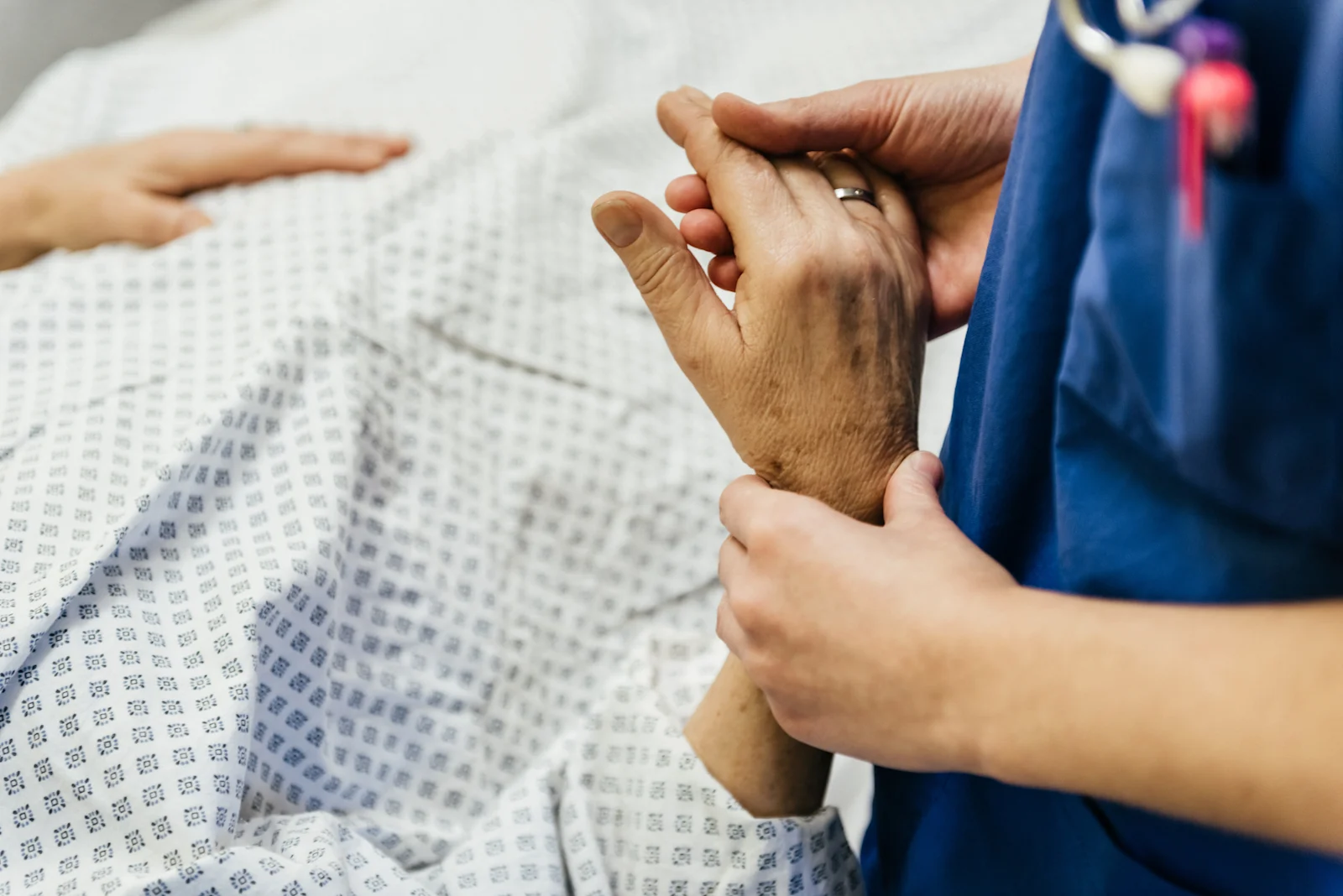
Leader in Minimally-Invasive Approaches and Endovascular Procedures
Your vascular care starts here.
1
Find the right provider
Get care from medical providers that fit your needs in a location near you.
Find a provider2
Explore vascular resources
Find information made to guide and support you on your vascular journey.
3
Get in touch
Didn’t see what you’re looking for? Reach out and we’ll make sure you get what you need.
Contact usVascular Diseases Treated
Abdominal Aortic Aneurysm
Carotid Artery Disease
Deep Vein Thrombosis (DVT)
Peripheral Vascular Disease
Renal Artery Disease
Vasculitis
Testing & Diagnostics
Looking for Advanced Vascular Testing? Orange County Trusts Hoag for Next-Generation Vascular Care.
Every day through our Vascular Program at Hoag’s Jeffrey M. Carlton Heart and Vascular Institute, we’re setting the standard for vascular disease diagnosis in Orange County.
The Hoag Echo and Vascular Ultrasound Lab established itself as the first IAC-accredited vascular lab in Orange County. All Hoag Echo and Vascular Ultrasound Labs are still proudly IAC accredited providing the highest quality vascular imaging available.
The latest and most advanced diagnostic tools. A unified team of physicians, registered vascular technologists and vascular surgeons, working as one for your healing. A program-wide focus on delivering the utmost in patient-focused care. That’s vascular diagnosis and care when you choose Hoag.
Read on for what you need to know about how vascular disease is diagnosed at Hoag. Or contact Hoag’s Vascular Program through our online form or by calling 949-764-5871.
What is Vascular Disease?
Vascular disease is an umbrella term for any condition that can impact the blood vessels, which — along with the heart — form the circulatory system.
With the heart serving as the pump that keeps things flowing, the network of blood vessels that make up a healthy circulatory system supplies oxygenated blood to the body, then routes blood back to the heart so it can be re-oxygenated by the lungs, starting the cycle all over again.
The different types of blood vessels are:
Arteries, which are large, thick-walled blood vessels that carry oxygenated blood away from the heart
Veins, which are thinner vessels that carry deoxygenated blood back to the heart
Capillaries, which are the networks of very thin blood vessels that distribute oxygen and nutrients directly to the tissues and carry away waste
Certain vascular diseases can damage the blood vessels, dangerously increase the pressure that blood flow exerts on the circulatory system or disrupt the function of the heart, brain, kidneys and other vital organs. For these reasons, some types of vascular disease can cause serious and even life-threatening symptoms and complications.There are many different types of vascular disease. Visit the following links to learn more from Hoag:
Peripheral arterial disease (PAD) including Critical Limb Ischemia
Peripheral venous disease (PVD)
Visit this link to learn more about management and treatment options for vascular disease that are available at Hoag.
How is Vascular Disease Diagnosed?
How to diagnose vascular disease depends on several factors, including which type of vascular disease you have and the symptoms you are experiencing.Steps usually taken to reach a vascular disease diagnosis include:
Physical Examination and Family History
If you visit a physician with symptoms that indicate you might have some form of vascular disease, you’ll likely be given a thorough physical examination. Your doctor will likely check your blood pressure, listen to your heart and arteries and examine your body for signs that might indicate vascular disease, including leg pain or swelling in the lower extremities (the legs, feet and ankles).Your doctor will also likely ask your personal and family history of vascular issues and heart disease, factors like diabetes and smoking.You may be asked to submit to other tests to help diagnose the cause of the symptoms you’re experiencing. These tests may include:
Blood and Urine Testing
Your doctor may take a blood sample and/or a urine sample to determine cholesterol levels, blood sugar, triglycerides and other issues that might indicate you have vascular disease or a condition that could be contributing to it, like atherosclerosis or diabetes.
Diagnostic Imaging
Modern diagnostic imaging technology is important in the accurate diagnosis of cardiovascular diseases of all types, creating detailed pictures and video of internal structures of the body. These images can then be used for diagnosis, planning for treatments or surgical procedures and other next steps.Imaging technology used to diagnose different types of vascular disease includes:
Vascular Ultrasound Exams
An ultrasound exam is a non-invasive medical procedure in which sound waves are used to create detailed pictures of tissues, organs and structures inside the body. Vascular ultrasound is a group of specialized procedures used to look specifically at the vascular system, consisting of the arteries, veins and capillaries.Types of vascular ultrasound exams used at Hoag include:
Duplex Ultrasound is a type of imaging that combines two ultrasound technologies — B-mode ultrasound and Doppler ultrasound — to create highly-detailed images of blood vessels and blood flow inside the body
Arterial Duplex, which is a type of ultrasound used specifically to visualize and evaluate the arteries supplying the arms and legs (sometimes called “the extremities”)
Aortic ultrasound, which looks specifically at the aorta — the body’s largest and most important blood vessel— for signs of enlargement, aortic aneurysms (bulging) or aortic dissection (a life-threatening tear in the aortic wall)
Abdominal Vascular Duplex, a type of ultrasound used to examine the blood vessels that supply the organs inside the abdomen, including the renal arteries
Carotid Duplex (CUS), also called a carotid ultrasound, which is used to evaluate the carotid arteries on either side of the neck that supply blood to the brain
Venous Duplex, which is used to examine the veins that return deoxygenated blood from the arms and legs
Arterial Physiologic Exam, a specialized form of ultrasound in which blood pressure cuffs are used during the exam to locate blockages in an artery
Transcranial Doppler (TCD), a type of ultrasound used to evaluate the blood vessels inside the skull that supply the brain
Angiogram
An angiogram is a minimally invasive form of imaging in which a thin, flexible tube is inserted through a blood vessel, then guided through the body to a spot in the circulatory system that will be examined.Once in place, a special fluid called a contrast dye is injected through the catheter. The injection of this contrast dye makes nearby blood vessels visible on X-ray images. X-rays are then taken, which can reveal blockages in the blood vessel.
Magnetic resonance angiogram (MRA)
Magnetic resonance angiography is a special type of magnetic resonance imaging (MRI) to see blood vessels and map blood flow.
Computed tomography angiography (CTA)
Computed tomography angiography (CTA) is an advanced imaging test which involves CT scanning with a contrast dye to produce images of certain arteries.
Other Tests Used to Diagnose Vascular Disease
Ankle Brachial Index (ABI) Screening, a quick test to compare the blood pressure in your ankle with the blood pressure in your arm for early detection of a common circulatory problem, peripheral arterial disease (PAD)
Ambulatory blood pressure monitoring, which is a type of blood pressure monitor that you wear for hours or days
Visit this link to meet Hoag’s vascular team.
Need a Vascular Specialist? Orange County Looks to Hoag for Advanced Vascular Diagnosis and Care.
From Seal Beach to Costa Mesa, Laguna Hills to Mission Viejo, Orange County’s recognized leader for advanced vascular disease diagnosis is Hoag.Our commitment to providing Orange County with the latest diagnostics for vascular disease is strong. Hoag has IAC-accredited Echo and Vascular Ultrasound Labs throughout Orange County, with convenient locations in Newport Beach, Huntington Beach and Irvine.The Hoag Echo and Vascular Ultrasound Labs are IAC-Accredited in Vascular Testing. As a patient, you can have confidence that our facility is committed to quality patient care:
Specialized and dedicated, highly trained registered vascular technologists (RVT)
Physicians are board-certified and fellowship trained in vascular specialties and credentialed in vascular interpretation
Ability to evaluate rare conditions and perform specialized testing
From peripheral vascular disease to deep vein thrombosis, abdominal aortic aneurysm to carotid artery disease, nobody knows these complex conditions quite like Hoag. So don’t wait. If you need diagnosis and treatment for vascular disease in Orange County, Hoag is here, and we’re ready to help. Contact us today through our online form or by calling 949-764-5871.
Vascular Disease Treatment & Management
Looking for Advanced Vascular Treatments? Orange County Looks to Hoag for Vascular Care.
Hoag’s Jeffrey M. Carlton Heart and Vascular Institute is your source for advanced vascular treatments in Orange County.
From issues like spider veins to dangerous conditions such as an abdominal aortic aneurysm, Hoag’s team of board-certified experts stands ready to help, with a system-wide dedication to minimally-invasive procedures, the latest technology and providing high-quality, patient-focused care.
Have you been diagnosed with vascular disease in Newport Beach, Irvine, Anaheim, Huntington Beach, Dana Point or other communities across Orange County? Then you owe it to yourself to seek out the latest treatment options available through our specialized Vascular Program.
Read on for everything you need to know about how vascular diseases are treated at Hoag. Or contact Hoag’s Vascular Program through our online form or by calling 949-764-5871.
What is Vascular Disease?
Vascular disease, also called vasculopathy, is an umbrella term that includes any condition that causes problems with the circulatory system.
The circulatory system is the branching network of blood vessels that transport oxygenated blood throughout the body so it can be utilized by the organs and tissues. Once the blood has been used by the tissues, the circulatory system then returns it to the heart so it can be infused with oxygen again by the lungs.
The types of blood vessels are:
Arteries: The large, tough blood vessels that transport oxygenated blood away from the heart
Veins: The smaller blood vessels that return blood to the heart so it can be replenished with oxygen
Capillaries: The fine blood vessels that directly distribute oxygen-rich blood to the organs and tissues and carry away cellular waste products
There are several different types of vascular disease, including peripheral vascular disease, varicose veins, renal artery disease and many more.
Visit the following links to learn more about specific types of vascular disease:
Peripheral arterial disease (PAD) including Critical Limb Ischemia
Peripheral venous disease (PVD)
What Are the Treatment Options for Vascular Disease?
The treatment options for vascular disease vary from patient to patient, and depend on several factors, including which type of vascular disorder you have, the symptoms you’re experiencing, your overall health and more.
In general, however, treatment options for vascular disease include:
Lifestyle Changes
One of the first measures commonly suggested when treating vascular disease are lifestyle changes, both to improve overall health and help control various issues that might be contributing to or causing the condition.
For example, Atherosclerosis, a condition involving the buildup of a waxy substance called plaque in the blood vessels, is a contributing factor in certain types of vascular disease, including carotid artery disease and renal artery disease.
Lifestyle changes you might be asked to make following a diagnosis of vascular disease can include:
Eating a diet that’s low in cholesterol, salt, sugar, carbohydrates and saturated fats
Getting regular cardiovascular exercise
Getting regular health screenings by your physician or a specialist in the form of vascular disease you have
Maintaining a healthy weight
Quitting smoking
Managing your stress
These lifestyle changes can also decrease a person’s risk for a host of other dangerous conditions, including coronary artery disease, high blood pressure, diabetes, heart disease, obesity, kidney failure and more.
Medications
For many patients with vascular disease, treatment will include taking prescribed medications to help lower blood pressure, reduce the amount of cholesterol in the blood, help the body shed excess fluid and other issues.
Medications commonly prescribed for the treatment of vascular disease include:
Diuretics, also called “water pills,” which help your body remove excess fluid and salt through urine. That can lower blood pressure and ease the strain on your blood vessels.
ACE inhibitors and ARBs are medications that regulate a hormone called angiotensin II, which naturally narrows blood vessels. ACE inhibitors block the production of angiotensin II, while ARBs prevent the hormone from working on the blood vessels. That relaxes blood vessels and lowers blood pressure.
Calcium channel blockers, which block calcium from entering the smooth muscle cells in your blood vessel walls, causing them to relax and widen. That can improve blood flow and lowers blood pressure.
Anticoagulants, commonly called “blood thinners,” is a medication that interfere with the body’s blood clotting process, preventing blood clots from forming or growing. That can reduce the risk of serious and life-threatening conditions like stroke, heart attack or a pulmonary embolism, in which a clot travels to the lungs.
Statins: Because high cholesterol and atherosclerosis (plaque buildup in the blood vessels) are a contributing factor for many types of vascular disease, cholesterol-lowering medications called statins may be prescribed.
Alpha-blockers, which block the effect of a hormone called norepinephrine on the smooth muscle cells, which can relax the blood vessels. This relaxation improves blood flow, helping with issues like high blood pressure or an enlarged prostate.
Beta-blockers, which slow down your heart rate and reduce the force of heart contractions. That can lower blood pressure and also help control irregular heart rhythms (arrhythmia).
Vasodilators, which directly relax and widen blood vessels, improving blood flow and lowering blood pressure.
Thrombolytic agents: In some cases involving the blockage of a blood vessel by a clot, medications called thrombolytic drugs (commonly called “clot-busting drugs”) may be used to dissolve clots and restore blood flow.
Diabetes medications: Diabetes is a risk factor for several types of vascular disease. If you have diabetes and develop a vascular condition, you may be prescribed medications to better control your blood sugar.
Traditional Surgery and Minimally-Invasive Endovascular Procedures
If lifestyle changes and medications don’t do enough to control your symptoms or the progression of the disease, certain minimally-invasive treatment options like endovascular surgery or traditional open surgery may be considered. Click on the links below for surgical treatment options:
Peripheral Vascular Disease, including Chronic Venous Insufficiency (CVI) and Varicose Veins
Peripheral Arterial Disease (PAD) and Critical Limb Ischemia (CLI)
Abdominal Aortic Aneurysm (AAA) Treatment Options
An aortic aneurysm is an abnormal enlargement or “bulge” in the aorta, the large artery which carries blood away from the heart so it can be distributed to the organs and tissues.
Endovascular aneurysm repair (EVAR): Endovascular aneurysm repair, or EVAR, is a minimally-invasive procedure that uses cardiac catheterization to treat an abdominal aortic aneurysm (AAA), which is a potentially dangerous bulge in the aorta, the body’s largest and most important blood vessel. During the procedure, the surgeon makes a small incision in a blood vessel in the arm, leg or groin, then guides a catheter through the body to the aortic aneurysm. A medical device called a stent graft is then positioned in the bulging section of the aorta. Once the graft is in place, it expands, attaching itself to the walls of the aorta. This creates a seal, strengthening the damaged portion of the aorta while preventing blood flow from putting further pressure on the aortic aneurysm.
Fenestrated endovascular aortic aneurysm repair (FEVAR) and Physician modified aortic aneurysm repair (PMEG): Physician-modified endografts (PMEG) are important techniques for endovascular repair of complex aortic aneurysms using off-the-shelf devices.
Traditional Abdominal Aortic Aneurysm (AAA) Repair: Unlike aneurysm repair through endovascular surgery, during a traditional aortic aneurysm repair, surgeons access and repair the aneurysm through longer incisions made in the chest or abdomen.
Carotid Artery Disease (CAD) Surgical Treatment Options
Transcarotid Artery Revascularization (TCAR) is an advanced, minimally-invasive technique used to treat severe narrowing or blockage of the carotid arteries — the dual arteries in the neck that supply blood to the brain. During the procedure, a small incision is made in the neck, then the normal direction of blood flow through the narrowed or blocked carotid artery is reversed, with the blood usually rerouted to a vein in the groin. Reversed blood flow helps push any pieces of plaque that might break loose during the procedure away from the brain, preventing them from causing a stroke. Once the blood flow is safely reversed and diverted, a vascular surgeon then clears out the plaque with a device at the tip of a catheter. The surgeon may also insert an expanding tube called a stent into the carotid artery, preventing it from becoming blocked or narrowed in that place again.
Carotid endarterectomy is a procedure to remove plaque build-up (or fatty deposits) in the main blood vessels (carotid arteries) that supply blood to the brain. Under general anesthesia, your surgeon makes an incision along neck, exposing the blocked carotid artery. The surgeon then removes the plaque that is narrowing/clogging your artery. Then, your surgeon repairs the artery with stitches or a patch made with a vein or artificial material (a patch graft). This surgery improves blood flow and reduces your risk for cerebrovascular disease and stroke.
Renal Artery Disease Treatment
Renal angioplasty and stenting: renal artery angioplasty and stenting is a minimally-invasive procedure used to treat restricted blood flow to the kidneys by widening the passage through your renal artery. During the procedure, a long tube called a catheter is inserted through a blood vessel in the arm, leg or groin, then guided through the circulatory system to the renal artery. Once the catheter is in place, a small balloon at the tip may be inflated, which forces the blocked blood vessel open to make room for the stent. A mesh tube called a stent is then installed where the narrowing or blockage occurs, to maintain blood flow to the kidney.
Peripheral Vascular Disease, including Chronic Venous Insufficiency (CVI) and Varicose Veins Treatment Procedures
Endovenous Thermal Ablation: Used in the treatment of varicose veins, endovenous thermal ablation (sometimes called radiofrequency therapy) is an endovascular surgery technique in which a laser or radiofrequency device at the tip of a catheter produces heat energy that closes off damaged veins.
Sclerotherapy: Used to treat varicose veins and spider veins, sclerotherapy involves injecting a special fluid directly into the varicose or spider vein. This fluid irritates the lining of the affected blood vessel, eventually causing the formation of scar tissue that seals it off.
VenaSeal: a procedure that uses a medical glue to seal off (or close) the diseased veins. This glue holds the walls of the vein together to stop and redirect the blood flow to healthy veins. Over time, your body absorbs the inactive veins.
Peripheral Arterial Disease (PAD) and Critical Limb Ischemia (CLI) Treatment Options
Critical limb ischemia (CLI) is a severe form of peripheral arterial disease (PAD) that required immediate treatment to re-establish blood flow. The main priority with CLI is to preserve the limb and prevent an amputation.
Angioplasty and stenting: also known as balloon angioplasty, angioplasty is a minimally-invasive procedure used to treat restricted blood flow by widening narrowed or blocked blood vessels. During the procedure, a long tube called a catheter is inserted through a blood vessel in the arm, leg or groin, then guided through the circulatory system to the location of the blockage. Once the catheter is in place, a small balloon at the tip is inflated, which forces the blocked blood vessel open. In some cases, a mesh tube called a stent is then installed where the narrowing or blockage occurs, holding the blood vessel open.
Atherectomy: a less-invasive procedure that uses a catheter-positioned device to remove plaque that is narrowing or blocking an artery.
Iliofemoral bypass surgery (IFBPG): Iliofemoral bypass surgery is a procedure that creates a detour or bypass around a blocked or narrowed iliac artery or femoral artery. The iliac arteries are located in the lower abdomen, while the femoral arteries run from the groin to the back of each knee. During the procedure, a surgeon connects the iliac artery to the femoral artery, routing blood flow around a blockage.
Deep Venous Thrombosis (DVT) Surgical Treatment Procedures
Thrombectomy and Embolectomy: Embolectomy and Thrombectomy are procedures used to treat venous thromboembolism (VTE), a serious condition that occurs when a blood clot forms in the circulatory system. Deep Vein Thrombosis (DVT) and pulmonary embolism are types of VTE. Thrombectomy usually refers to a procedure to remove a clot that’s still located where it originally formed (a thrombus). Embolectomy, on the other hand, is a procedure for removing a clot that has dangerously traveled from where it originally formed and become stuck somewhere else (an embolus). Minimally-invasive thrombectomy and embolectomy procedures use a thin, flexible catheter that’s inserted through a small incision into an artery or vein, then guided through the circulatory system to the location of the clot. The tip of the catheter has specialized tools that let a surgeon grasp or break up the clot, so it can be safely removed from the body.
Looking for Advanced Endovascular Surgery? Orange County Trusts Hoag for Vascular Care.
Through our Vascular Program at Hoag’s Jeffrey M. Carlton Heart and Vascular Institute, we’re setting the standard for vascular care in Orange County.
From venous disorders to peripheral arterial diseases, aortic aneurysms to deep-vein thrombosis, our highly-skilled team of specialists and vascular surgeons is unified in one mission: treating every patient with the dignity they deserve, while providing Orange County’s most advanced vascular care. That includes a wide range of endovascular (catheter-delivered procedures) and vascular surgery techniques.
Need vascular disease treatment or vascular surgery in Orange County? Don’t trust your health to just anyone. Come see the experts at Hoag. Contact us today through our online form or by calling 949-764-5871.
Vascular Specialists
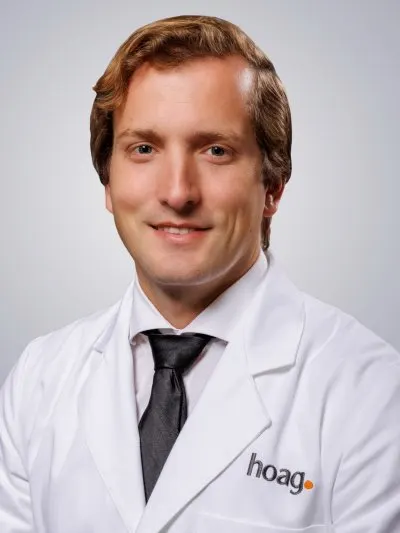
Division Chief of Vascular Surgery
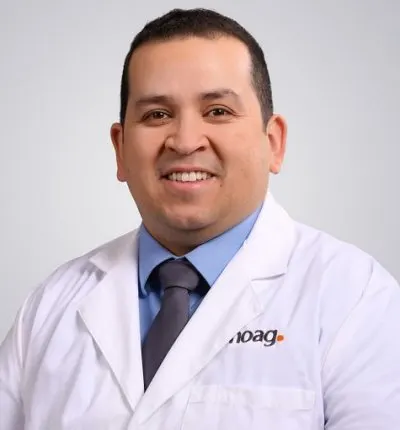
Director, Vascular Lab
Vascular Surgery
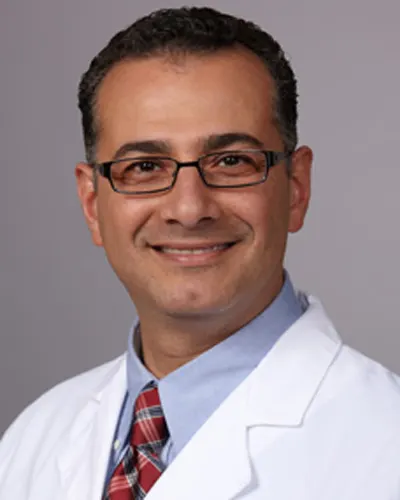
Physician Leader, Hoag Vascular Services Program, Vascular Medicine
Vascular Surgery
Vascular Surgery
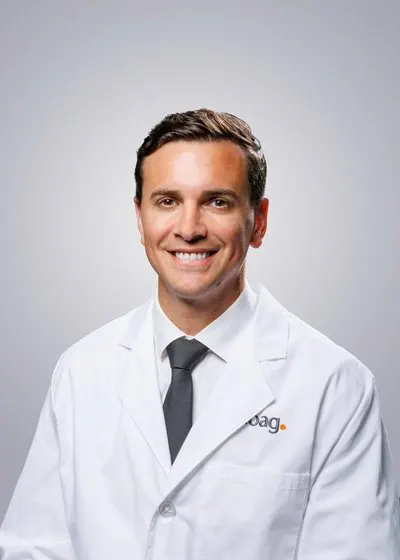
Vascular Surgery
Cardiothoracic Surgeons
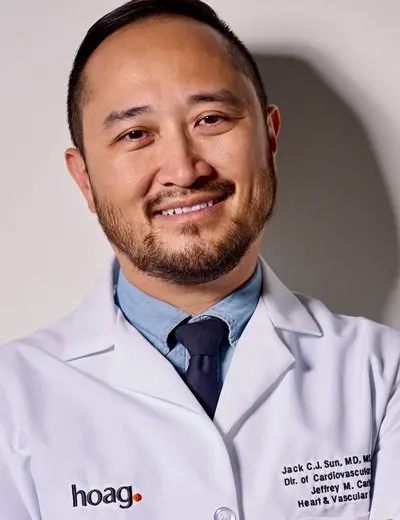
Director of Cardiovascular Surgery
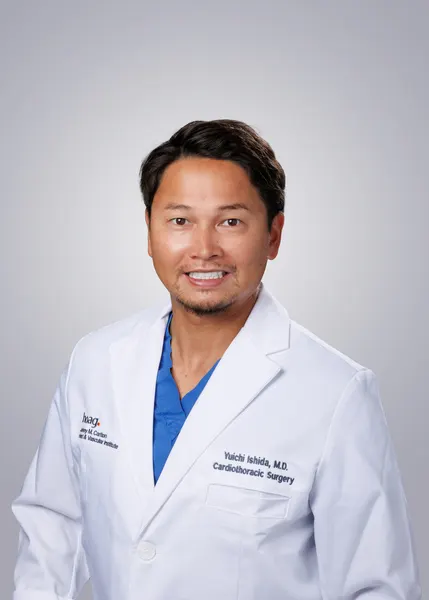
Surgical Director, Advanced Heart Failure & Mechanical Circulatory Support
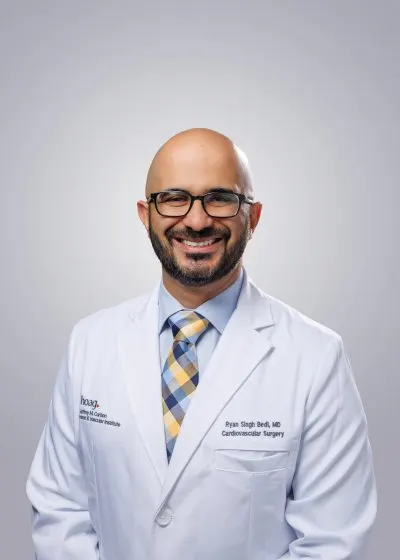
Cardiovascular Surgery
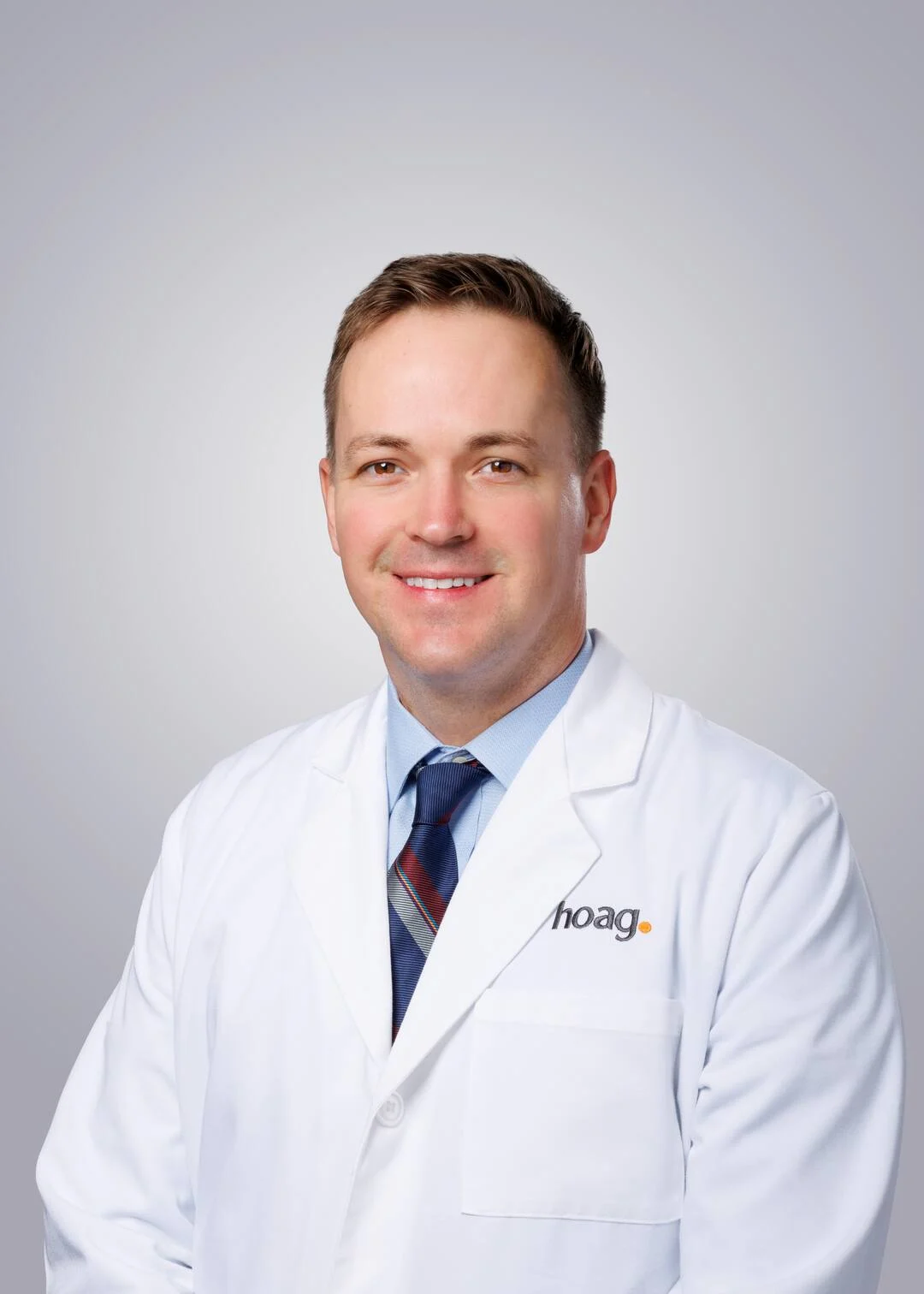
Cardiovascular Surgery
Stay up-to-date on the latest news from Hoag
By submitting this request, you agree to receive communications from Hoag and accept our Privacy Policy and Terms of Use.