Hoag Comprehensive Stroke Program
1 Hoag Dr, Newport Beach, CA 92663
Inquire Now
Hoag Comprehensive Stroke Program
Pickup Family Neurosciences Institute
- About
- Understanding Strokes
- Diagnostics & Treatment
- Education & Resources
- Meet the Team
Meet the Stroke Team
Neurologists
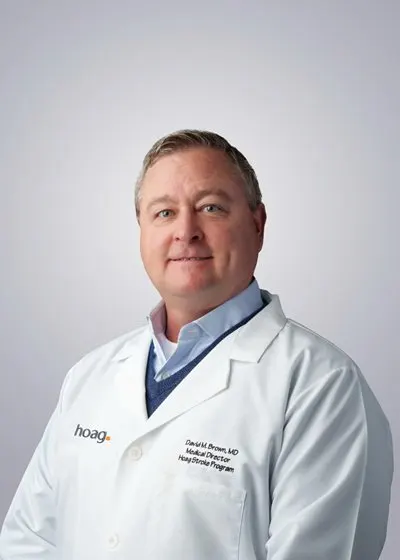
Program Director, Hoag Stroke Program
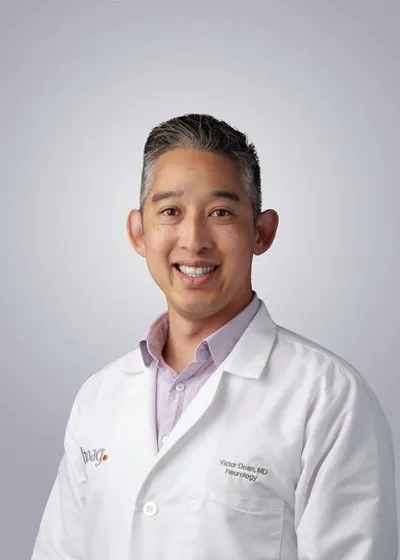
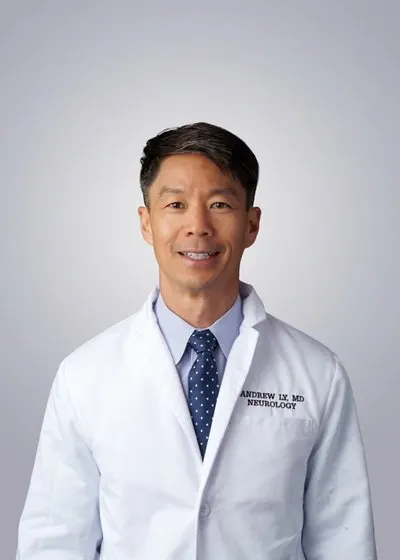
Concussion/Mild TBI Program Program Advisor, Neurophysiology Services
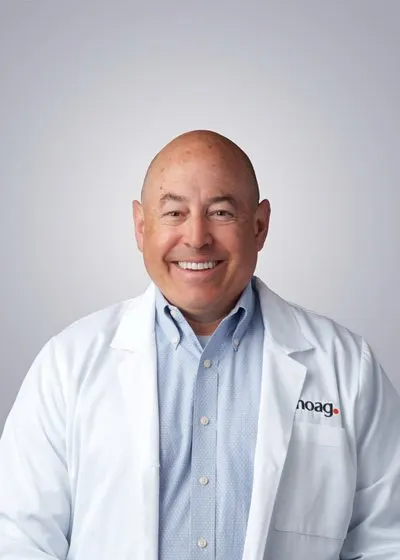
Program Co-Director, Epilepsy
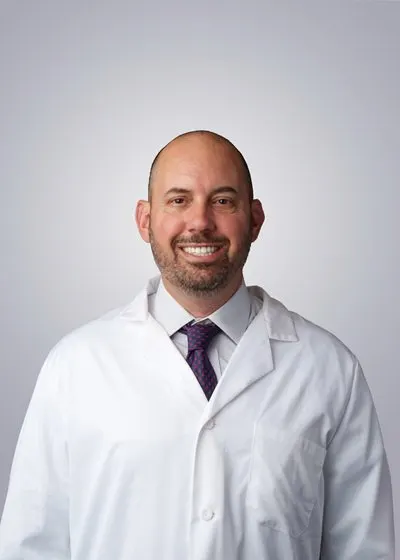
Program Director, Neurophysiology Services, Board Certified Sleep Specialist, Staff Neurologist
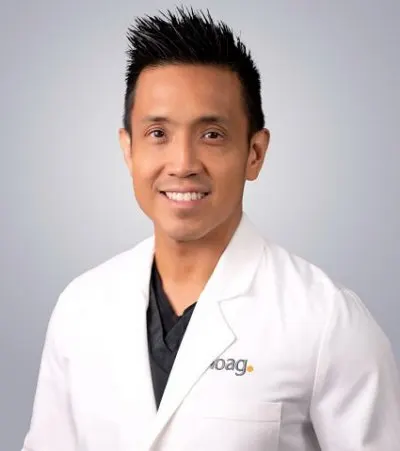
Director of Sleep Center
Nurse Navigators
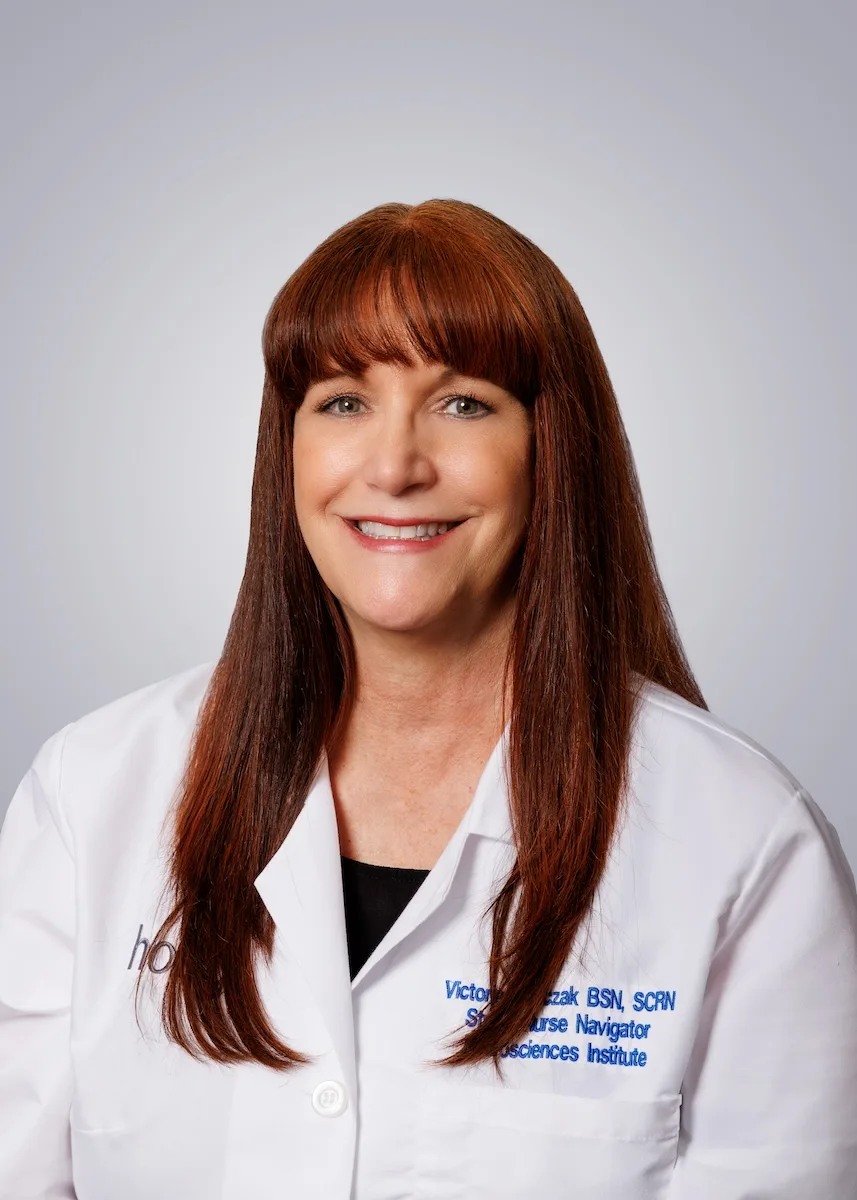
Stroke Program Manager
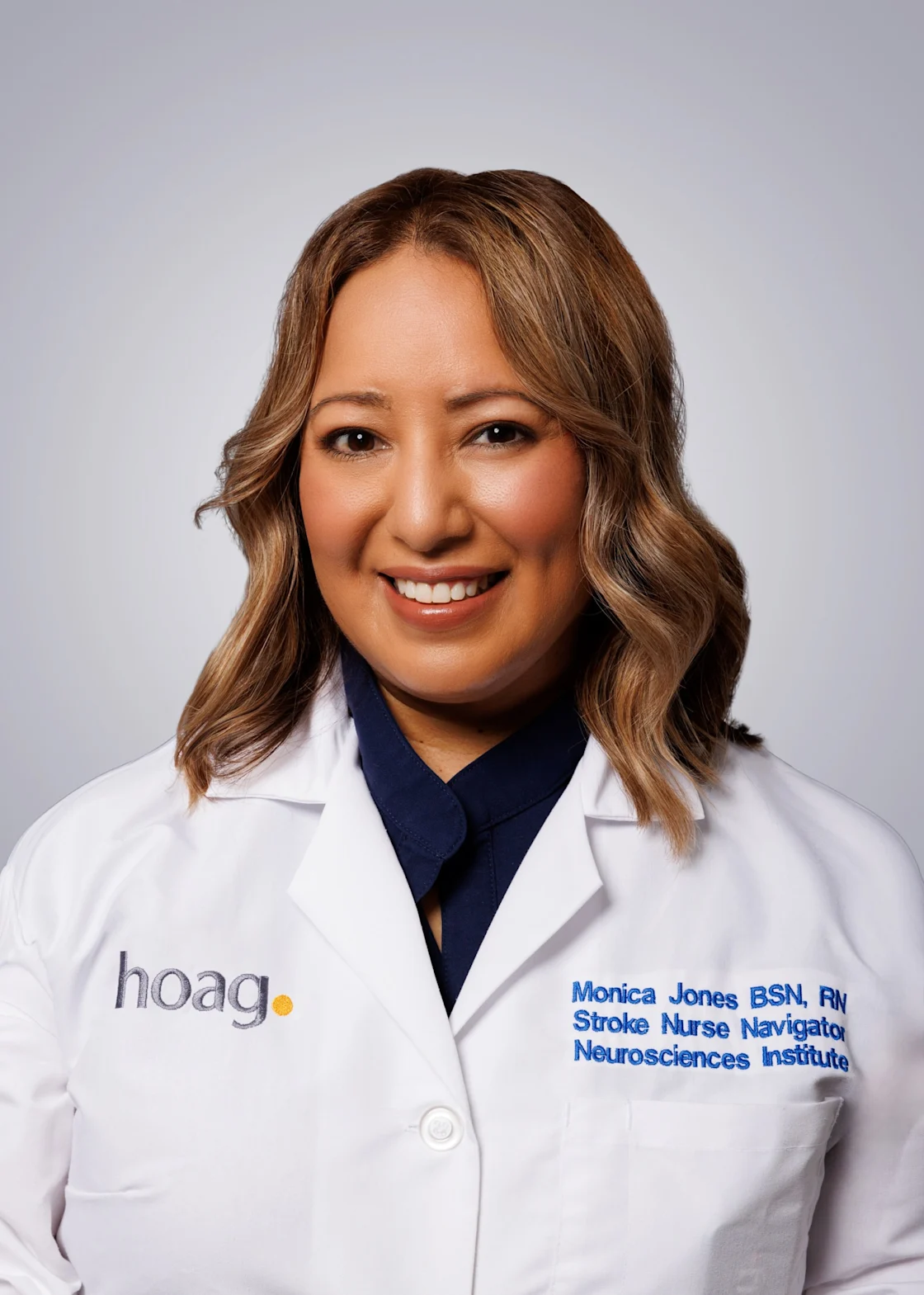
Stroke Program Nurse Navigator
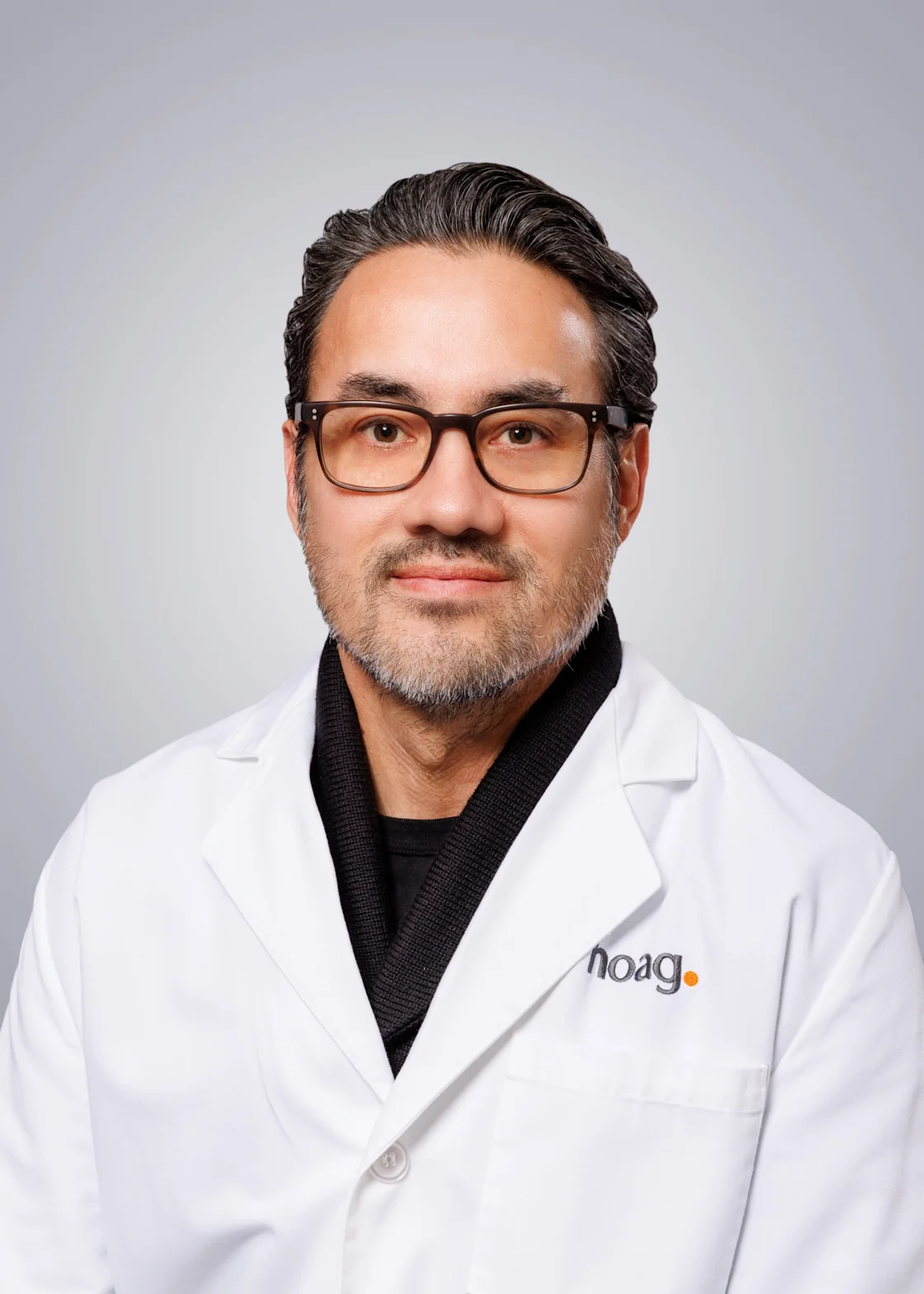
Stroke Program Nurse Navigator
Neurointerventional Radiology
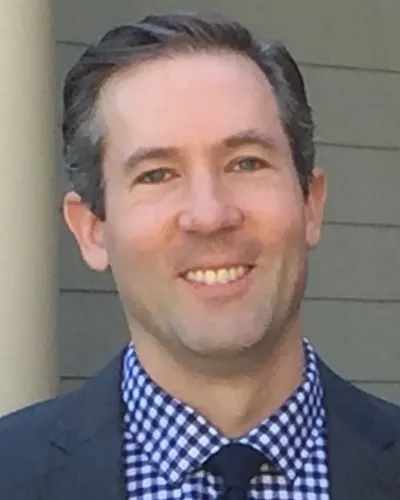
Radiology & Imaging Services Physician
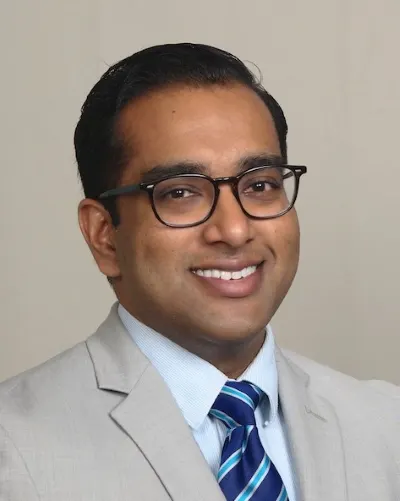
Interventional Neuroradiologist
Hoag’s nationally recognized, comprehensive Stroke Program is led by full-time neurohospitalists who specialize in advanced stroke management and intervention, and continue to develop best practice care pathways for optimal outcomes.
Know the Symptoms of Stroke
Recognizing the signs of a stroke can save a life—including your own. Every minute counts, and quick action can make the difference between recovery and lasting disability. Learn how to spot the warning signs with the BE FAST acronym and know when to call 911 immediately.
Patient Education Workbook
If you or someone you know has had a stroke, we've created a helpful resource to keep you well-informed to make decisions around your health care.
What is your risk of having a stroke?
Take our online health risk assessment to discover your risk of having a stroke. After taking this assessment, you'll get more information on what your next steps should be.
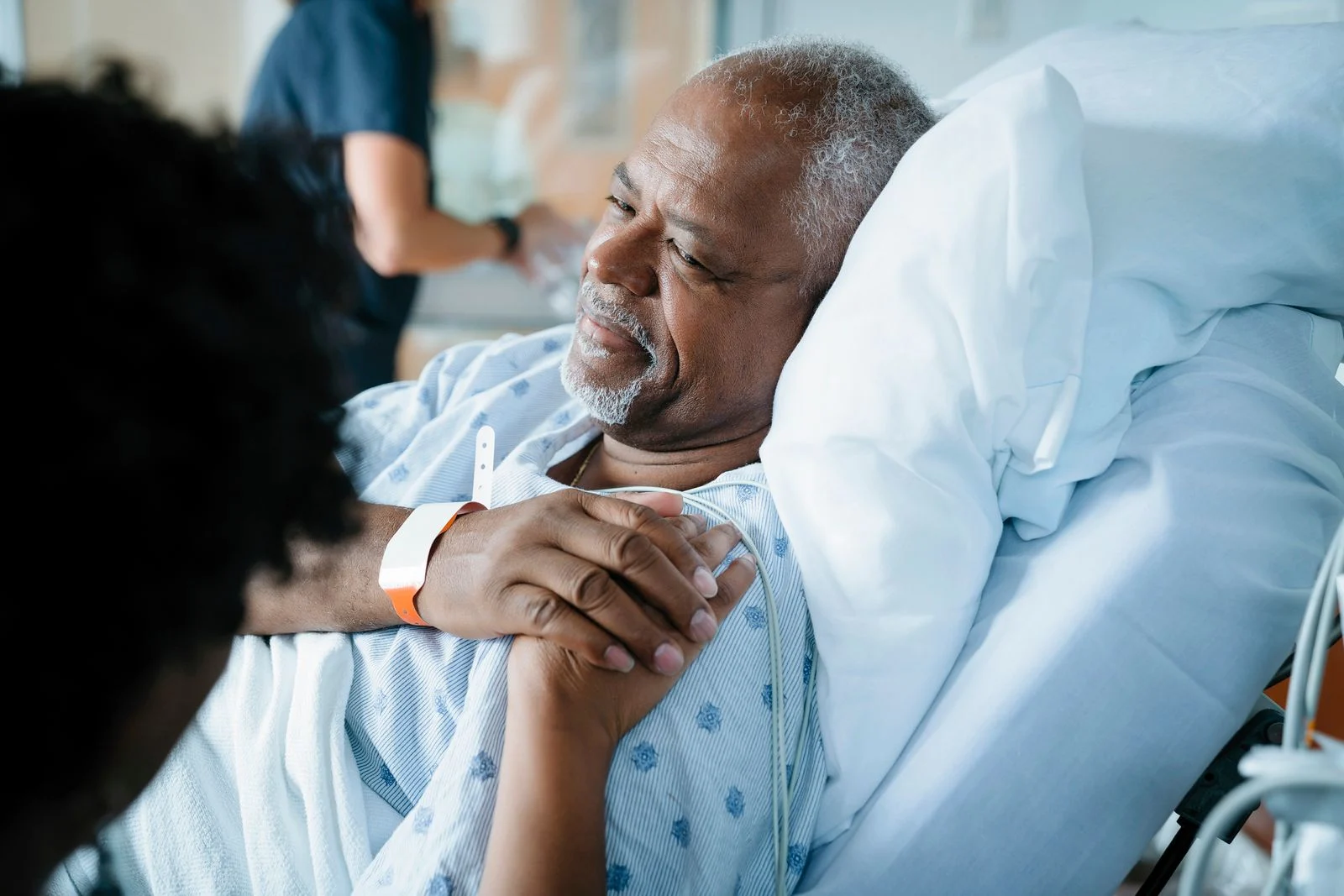
The Stroke Program of Hoag’s Pickup Family Neurosciences Institute
Certified Stroke Center
Stroke Care Excellence

From Rapid Response to Rehabilitation

Patient Testimonial Carousel
“It was phenomenal; everyone was so warm and expeditious. They were candid that there was a risk to my baby, but calmly and consistently reassured me that they were doing everything they could to ensure a positive outcome.”

Helpful Articles

Article
Hoag Nationally Recognized for Commitment to Excellence in Stroke Care- July 10, 2026
- 3 min read

Your Stroke Care Starts Here
1
Find the right provider
Get care from medical providers that fit your needs in a location near you.
Find a provider2
3
Get in Touch
Didn’t see what you’re looking for? Reach out and we’ll make sure you get what you need.
Contact usStroke Signs, Symptoms and Risk Factors
What is Stroke?
A stroke is a serious medical emergency that occurs when blood flow to the brain is disrupted or blocked, leading to brain cell damage. Strokes can be caused by a blocked artery (ischemic stroke) or a burst blood vessel (hemorrhagic stroke). Immediate medical attention is crucial to minimize long-term effects and improve recovery outcomes.
Understanding Types of Strokes
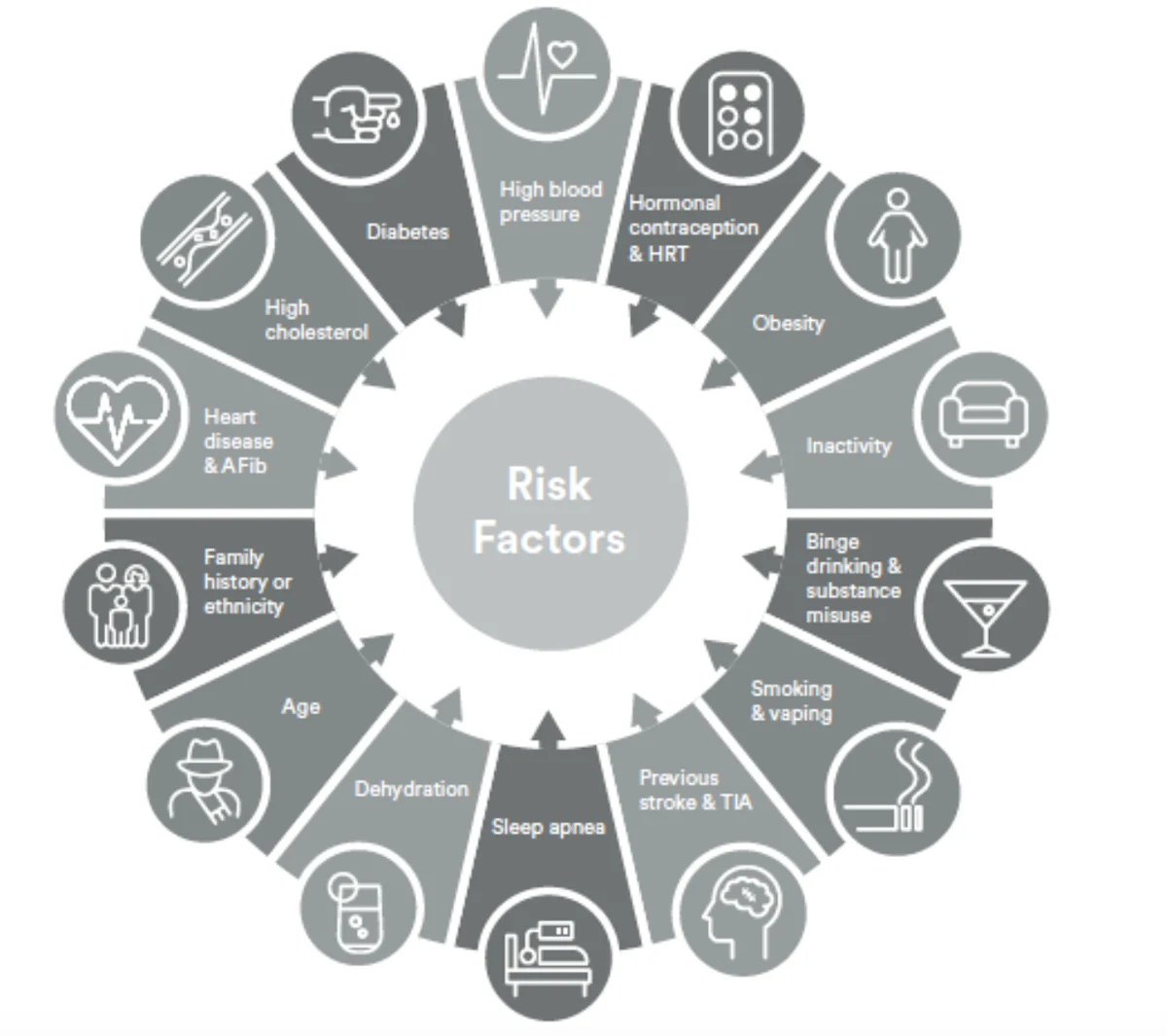
Ischemic stroke is the most common type of stroke, making up nearly 9 out of 10 cases. It happens when a blood clot or a buildup of fatty deposits (plaque) blocks an artery that carries blood to the brain. Without blood flow, brain cells are deprived of oxygen and nutrients, leading to damage within minutes. Causes and risk factors include:
Blood clots that travel from the heart (often linked to atrial fibrillation or heart valve disease)
Narrowing of the arteries due to atherosclerosis (plaque buildup)
High blood pressure, diabetes, smoking, and high cholesterol
A hemorrhagic stroke occurs when a weakened blood vessel bursts, causing bleeding in or around the brain. This bleeding puts pressure on brain tissue and can cause significant damage. Causes and risk factors include:
Uncontrolled high blood pressure (the leading cause)
Aneurysms (weakened, bulging blood vessels that can rupture)
Arteriovenous malformations (abnormal tangles of blood vessels in the brain)
Blood-thinning medications or bleeding disorders
Often called a “mini-stroke,” a TIA happens when blood flow to part of the brain is temporarily blocked, usually for just a few minutes. Unlike a stroke, a TIA doesn’t cause permanent damage, but it is a critical warning sign. Up to one-third of people who experience a TIA will go on to have a full stroke, often within the first year. Causes and risk factors include:
The same risk factors as ischemic stroke (blood clots, atherosclerosis, atrial fibrillation)
Short-term narrowing of a blood vessel due to plaque or a small clot that quickly dissolves
Signs & Symptoms of a Stroke
Recognizing the symptoms of a stroke can help save lives. Use the FAST acronym to identify the warning signs:
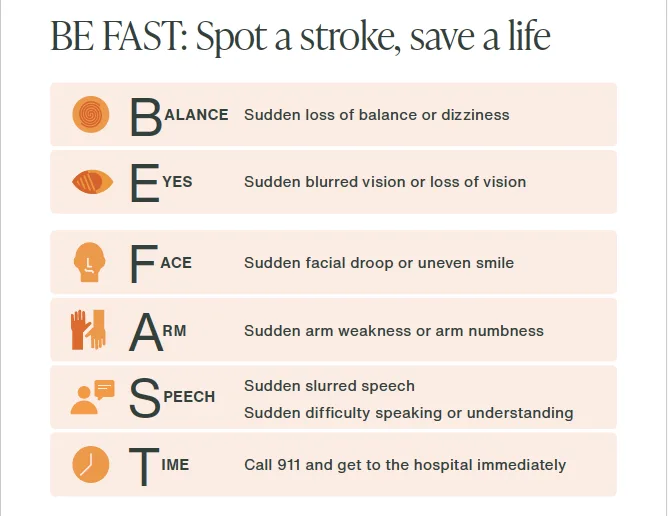
B – Balance: Sudden loss of balance or dizziness
E – Eyes: Sudden blurred vision or loss of vision
F – Face: Sudden facial droop or uneven smile
A – Arm: Sudden arm weakness or arm numbness
S – Speech: Sudden slurred, sudden difficulty speaking or understanding
T – Time: If you notice these signs, call 911 and get to the hospital immediately.
Other stroke symptoms include sudden confusion, difficulty walking, loss of balance, severe headaches, and vision problems.
Take Action: Stroke Prevention & Early Detection
Preventing a stroke starts with a healthy lifestyle and regular checkups. Reduce your risk by:
Managing high blood pressure, cholesterol, and diabetes.
Adopting a heart-healthy diet and staying physically active.
Quitting smoking and limiting alcohol intake.
Monitoring irregular heart rhythms (atrial fibrillation) that can lead to stroke.
Diagnosing and Treating Stroke
When you have a stroke, every minute counts
Hoag’s Stroke Program offers a comprehensive, rapid response approach to stroke care. With an expert stroke team, cutting-edge diagnostics, and advanced imaging technologies, Hoag ensures precise diagnosis and timely treatment, significantly improving patient outcomes.
Endovascular Intervention
As a leader in acute stroke care, Hoag provides a full range of minimally invasive endovascular techniques for both the prevention and treatment of stroke. Early detection of stroke risk includes the use of ultrasound to look for silent blockage in the arteries leading to the brain.
Carotid stenting is a preventive procedure for certain high-risk patients with such blockages, where post balloon angioplasty, a sleeve made of fine metal mesh, or stent, is fitted inside the newly opened carotid artery in order to hold the artery open and restore blood flow to the brain.
Hoag also specializes in preventive treatment of potentially explosive weak spots in the arteries of the brain. Such weak spots, or aneurysms, can be found on CT or MRI scans. Endovascular coiling or injection of other substances may be a treatment option for patients with hemorrhagic stroke—the type of stroke caused by bleeding in the brain either due to an aneurysm or other blood vessel malformations.
Innovative Ischemic Stroke Treatment
More than 80% of all acute strokes are caused by blood clots. One treatment option for stroke is Tenecteplase (TKNase), a medication that helps dissolve blood clots. To be effective, TNKase must be administered within 4.5 hours from the onset of symptoms or Last Known well time. That’s why it’s so important for individuals to seek immediate emergency treatment at the first sign of stroke.
For strokes caused by an occlusion in the large arteries in the brain, thrombectomy of the clot can be performed up to 24 hours from when the patient was Last Seen Normal (without stroke symptoms) if the patient meets criteria for this.
Mechanical clot retrieval devices include stent retrievers and suction devices.
Armed with these devices and an extended treatment window, Hoag Hospital neuro interventionalists are successfully helping a broadened patient population to improve neurologic recovery and reduce the incidence of disability resulting from acute ischemic stroke.
Comprehensive Stroke Treatment & Recovery
Hoag’s Stroke Program provides cutting-edge care to help patients recover and regain independence. A key to recovering from a stroke is early physical, occupational, speech, and cognitive rehabilitation. Our services include:
Emergency Stroke Treatment: Rapid response care, including clot-busting medications (thrombolytics) and surgical interventions. Hoag utilizes their Interventional Neuroradiology team to remove blood clots that cause stroke.
Stroke Rehabilitation at Hoag’s Family Fudge Acute Rehabilitation Center: For those patients who need additional physical and occupational therapy for stroke recovery after their stay in the hospital, patients can be referred to our Family Fudge Acute Rehabilitation Center. Personalized therapy programs, including physical therapy, occupational therapy, and speech therapy, will be implemented to improve mobility and communication.
Advanced Neurological Care: Specialists in stroke neurology provide long-term management and secondary stroke prevention.
Lifestyle & Preventative Care: Education on stroke risk factors, including high blood pressure, heart disease, diabetes, and high cholesterol, to prevent future strokes.
Why Choose Hoag’s Stroke Program?
Rapid Response Stroke Team:
Includes ER physicians, neurologists, neurosurgeons, neuroradiologists, critical care physicians, and specialty-trained nurses.
On-site neurology hospitalists and interventional neuroradiologists provide specialized care.
Advanced Diagnostic & Treatment Techniques:
Fast evaluation and treatment using leading-edge technology.
Early intervention improves survival rates and reduces permanent damage and disability.
State-of-the-Art Imaging Technology:
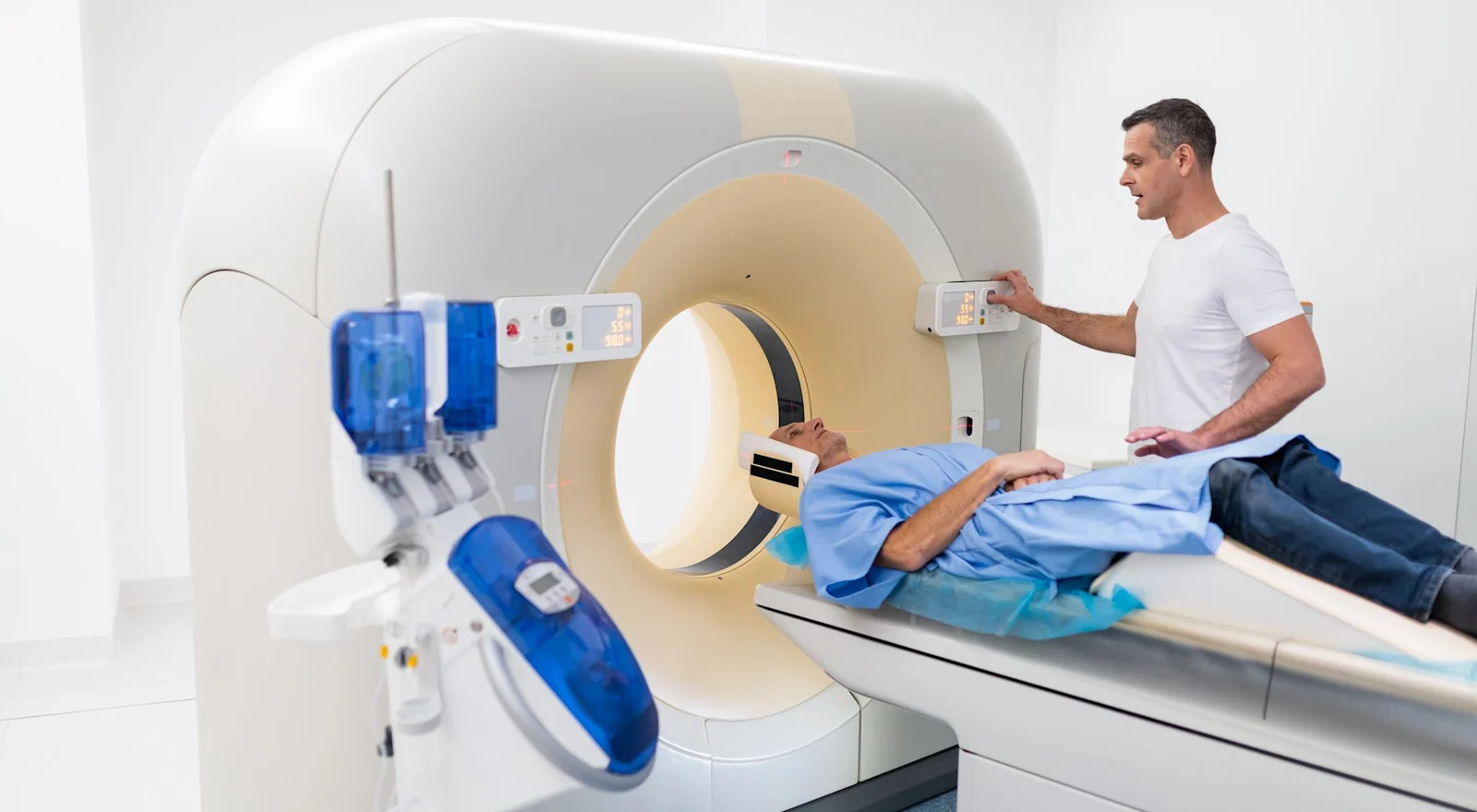
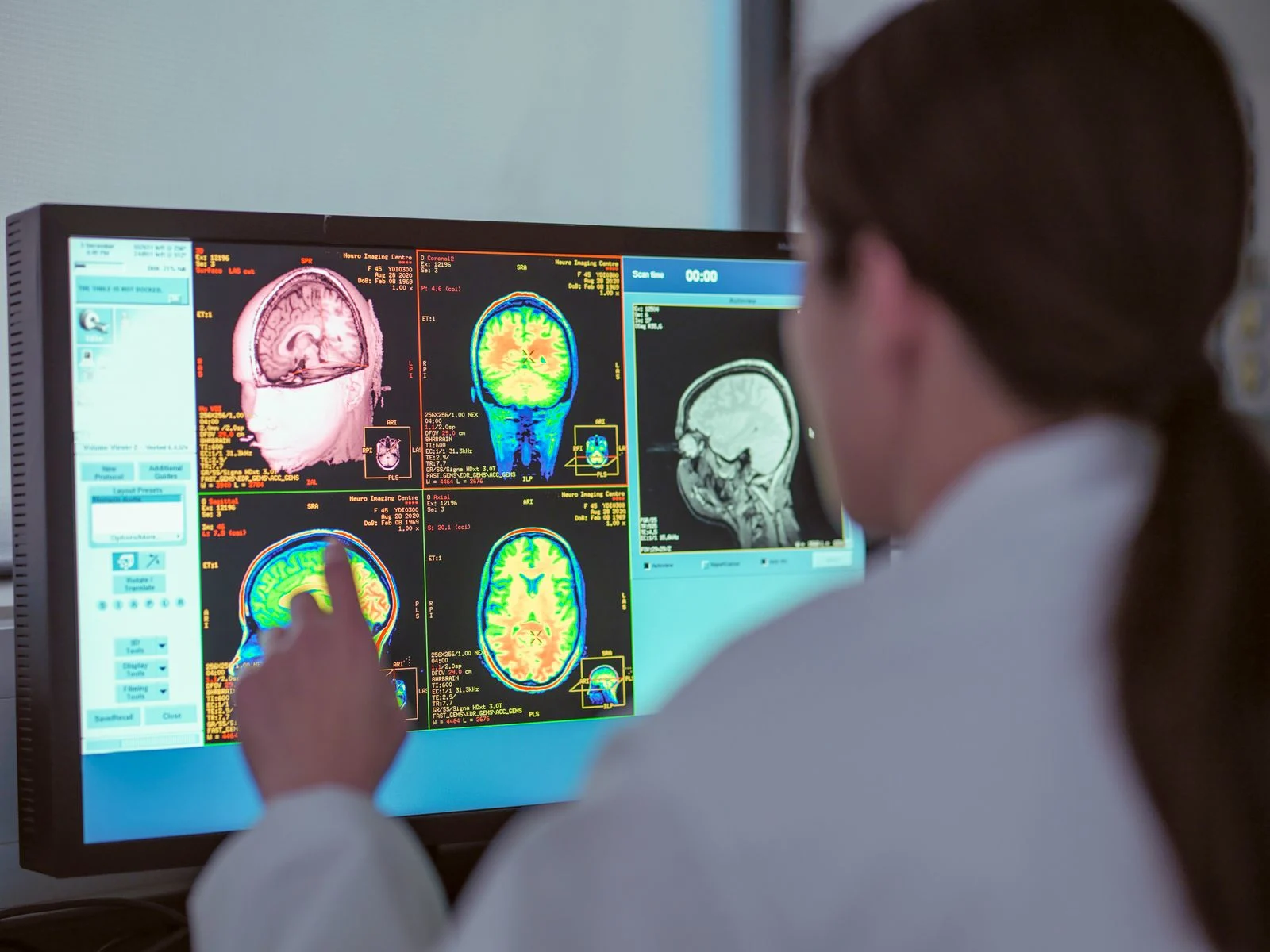
Multi-detector 64-slice CT and 3Tesla MRI scanners for high-resolution brain imaging.
Angiography & ultrasound detect blocked vessels and affected brain areas.
Sophisticated brain imaging provides real-time insights into brain structures and blood flow.
Hoag's Stroke Care Awards
Hoag has been awarded the Stroke Gold PLUS Performance Achievement Award by the American Stroke Association for over a decade running. In addition, Hoag achieved the Target Stroke Honor Roll Elite Award and the Target Stroke Honor Roll Advanced Therapy Award by the American Heart Association/American Stroke Association. This award recognizes the accomplishment of Door to Device Times of 90 minutes or less in 50% or more of all thrombectomy cases.
Get With the Guidelines by the American Heart Association is an in-hospital program for improving stroke care. With seven Get With the Guidelines achievement measures, these awards recognize those hospitals that meet at least 85% compliance. Gold designation recognizes performance and compliance for 24 consecutive months or more. Learn more at Heart.org
Reduce Your Risk of Stroke
If it’s high, work with your doctor to lower it.
One in three Americans has high blood pressure, but one out of every five doesn’t know they have it.
Known ominously as “the silent killer,” high blood pressure has no symptoms. Diet and exercise are essential to keeping your blood pressure low. Other important factors include staying away from cigarettes, limiting salt and alcohol, and maintaining a healthy weight.
Over 5 million Americans have an irregular heartbeat known as atrial fibrillation (also referred to as AFib) – a serious heart rhythm disorder that causes the heart’s two upper chambers to contract very fast and irregularly. More than 12 million Americans are projected to have Afib by 2030, and are associated with 15-20% of ischemic strokes.
The chaotic rhythm that occurs with atrial fibrillation inhibits efficient blood flow into the ventricles of the heart. As a result, the heart’s upper and lower chambers don’t work together as they should. If left untreated, chronic AFib can lead to serious complications, such as stroke, heart failure and death.
Smoking affects your metabolism and the chemistry of your blood vessels in several ways, all of which put you at increased risk for stroke. According to the CDC, smoking approximately doubles a person’s risk for stroke. Even the occasional cigarette or exposure to secondhand smoke increases your risk.But don’t think it’s too late to undo years of damage. When you quit smoking, your stroke risk drops significantly within just a year.
Hoag offers a smoking cessation program to the community, to partner with individuals when taking this important step. To learn more, call (949) 764-5511.
The vast majority of healthcare professionals agree that drinking more than one to two drinks per day can increase stroke risk and lead to other medical problems. Although, some believe that one alcoholic drink a day may lower a person’s risk. Since conflicting research exists about alcohol use and its effect against stroke, it is best to talk to your doctor before consuming alcoholic drinks regularly.
If you drink excessively and are concerned that you may have a problem, go to Addiction Medicine to find out how to get help. To learn more, call (949) 764-5656.
If so, work with your doctor to control it.
Cholesterol, a waxy substance in the bloodstream and in the cells of our body, isn’t all bad. In fact, “good” cholesterol (HDL) plays an important role in keeping you healthy by clearing “bad” cholesterol (LDL) from your arteries. How can you increase the good and decrease the bad? Exercising regularly and limiting saturated fat and cholesterol is a good start.
Avoid too many animal products such as red meats and full-fat dairy. Limiting trans fats and substituting them with healthier fats such as certain vegetable oils can also help.
While simple diet and exercise changes are enough for many people, others may find benefit from a prescription for cholesterol-lowering medication.
Adults with diabetes are two to four times more likely to have a stroke than those without diabetes, according to the American Heart Association.
If you have diabetes, you can lower your risk by keeping your blood glucose (sugar), blood pressure and cholesterol under control by planning your meals, exercising and proper medication. The closer you are to your target levels in these areas, the better your chances of preventing a stroke.
Hoag offers a diabetes program to help individuals living with diabetes. To learn more, call (949) 764-8065.
Just 2 ½ hours of mild to moderate exercise each week can reduce your risk of fatal disease by helping you to control your weight, your blood pressure and your cholesterol, and by staving off diabetes.
Exercise also helps you look and feel great – not a bad side effect.
This doesn’t mean you have to become a marathon runner overnight. Physical activities such as gardening, taking the stairs instead of the elevator and walking the dog all count toward healthier living.
Consumption of foods high in salt, fat, and cholesterol increases your risk for stroke.
Extra sodium in your diet, from table salt and many processed and canned foods, is linked to hypertension. So try to eat fresh foods when possible.
High intakes of fat, especially saturated fat, and cholesterol may contribute to atherosclerosis, which is also associated with stroke. You can limit these by cutting down on the use of oil when cooking, trimming the fat from meats and poultry, using low- or non-fat dairy products and baking or broiling foods instead of frying.
Hoag Stroke Program ranks among the top five percent in the nation and has been awarded the American Stroke Association’s Get With The Guidelines Stroke Gold Plus Performance Achievement for Hoag’s continued high standard of stroke care. To learn more about the program, call (949) 764-6066.
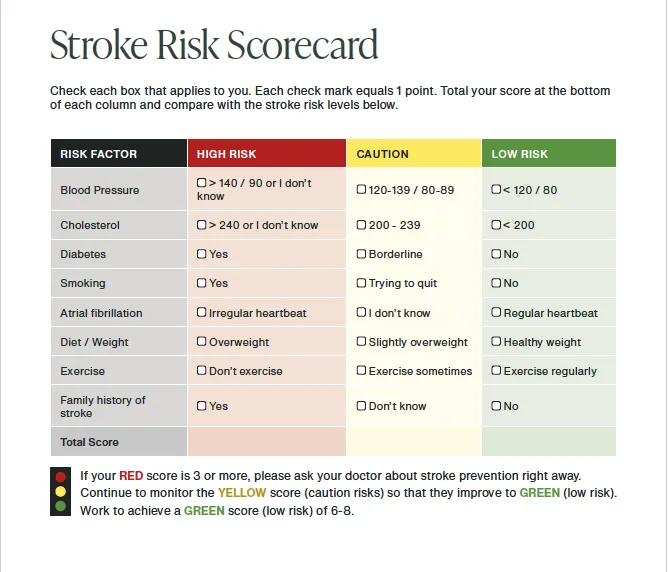
Know Your Risk
Hoag Support Groups
Stroke Hybrid Support Group
This group offers support for stroke survivors, caregivers, family members, and friends. Virtual meetings are held via Zoom on the 4th Thursday of every month from 2:00 p.m. – 3:30 p.m. For more information call (949) 764-3623
To register and get a link to the meetings visit: Stroke Virtual Support Group Registration
Brain Aneurysm & AVM Virtual Support Group
This group is for Brain Aneurysm & AVM Survivors, those diagnosed but not yet ready for treatment, and immediate family members or caregivers.
Virtual meetings are held via Zoom on the 2nd Wednesday of every other month from 6:00 p.m. – 7:30 p.m. For more information call (949) 764-3628
To register and get a link to the meetings visit Brain Aneurysm & AVM Virtual Support Group Registration
Local & National Oragnizations
In addition, the following organizations are provided as resources and are not associated with Hoag Memorial Hospital Presbyterian or Hoag Neurosciences Institute.
Stay up-to-date on the latest news from Hoag
By submitting this request, you agree to receive communications from Hoag and accept our Privacy Policy and Terms of Use.