Hoag Comprehensive Stroke Program
1 Hoag Dr, Newport Beach, CA 92663
- About
- Understanding Strokes
- Diagnostics & Treatment
- Education & Resources
- Meet the Team
Reduce Your Risk of Stroke
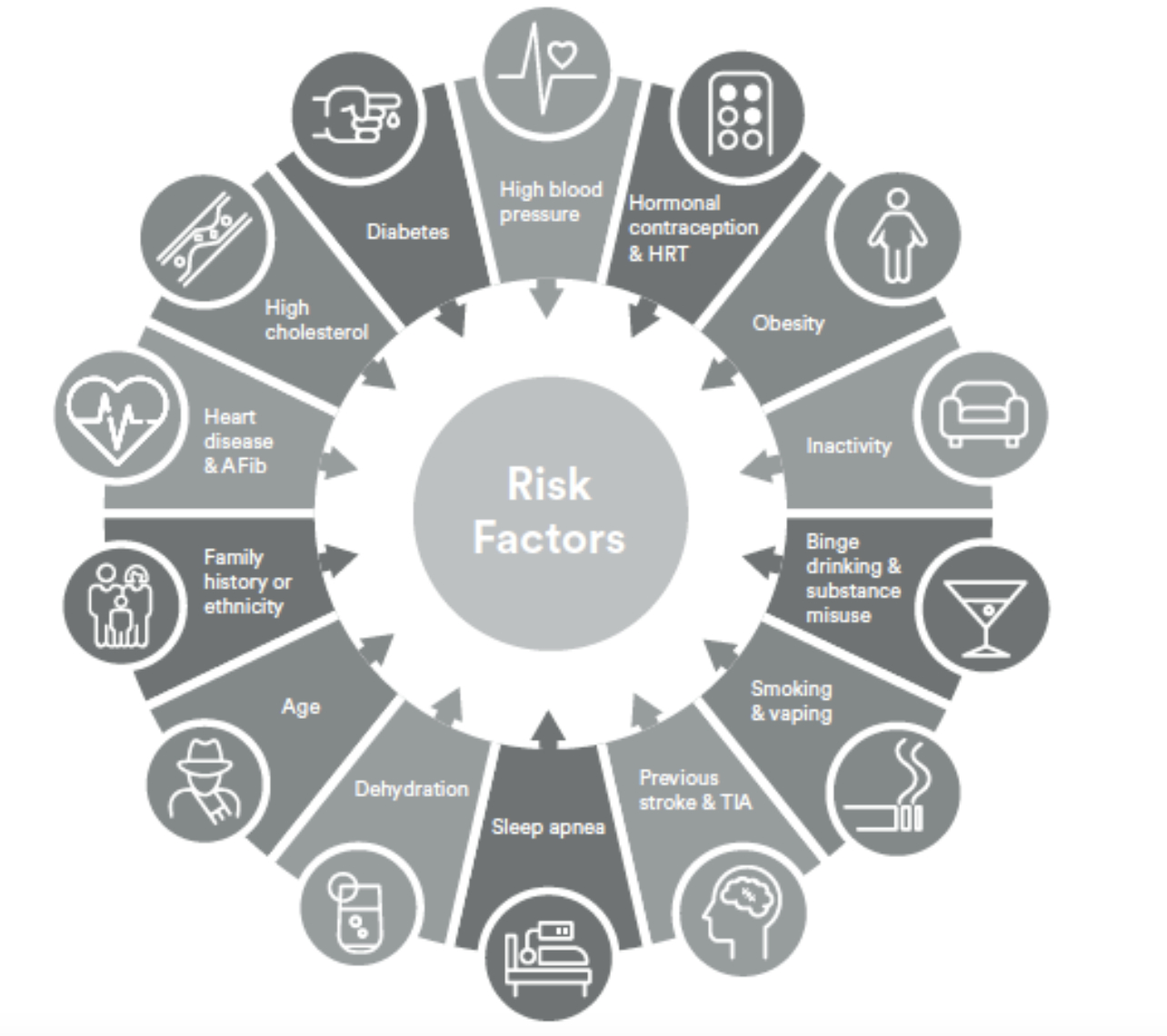
If it’s high, work with your doctor to lower it.
One in three Americans has high blood pressure, but one out of every five doesn’t know they have it.
Known ominously as “the silent killer,” high blood pressure has no symptoms. Diet and exercise are essential to keeping your blood pressure low. Other important factors include staying away from cigarettes, limiting salt and alcohol, and maintaining a healthy weight.
Over 5 million Americans have an irregular heartbeat known as atrial fibrillation (also referred to as AFib) – a serious heart rhythm disorder that causes the heart’s two upper chambers to contract very fast and irregularly. More than 12 million Americans are projected to have Afib by 2030, and are associated with 15-20% of ischemic strokes.
The chaotic rhythm that occurs with atrial fibrillation inhibits efficient blood flow into the ventricles of the heart. As a result, the heart’s upper and lower chambers don’t work together as they should. If left untreated, chronic AFib can lead to serious complications, such as stroke, heart failure and death.
Smoking affects your metabolism and the chemistry of your blood vessels in several ways, all of which put you at increased risk for stroke. According to the CDC, smoking approximately doubles a person’s risk for stroke. Even the occasional cigarette or exposure to secondhand smoke increases your risk.But don’t think it’s too late to undo years of damage. When you quit smoking, your stroke risk drops significantly within just a year.
Hoag offers a smoking cessation program to the community, to partner with individuals when taking this important step. To learn more, call (949) 764-5511.
The vast majority of healthcare professionals agree that drinking more than one to two drinks per day can increase stroke risk and lead to other medical problems. Although, some believe that one alcoholic drink a day may lower a person’s risk. Since conflicting research exists about alcohol use and its effect against stroke, it is best to talk to your doctor before consuming alcoholic drinks regularly.
If you drink excessively and are concerned that you may have a problem, go to Addiction Medicine to find out how to get help. To learn more, call (949) 764-5656.
If so, work with your doctor to control it.
Cholesterol, a waxy substance in the bloodstream and in the cells of our body, isn’t all bad. In fact, “good” cholesterol (HDL) plays an important role in keeping you healthy by clearing “bad” cholesterol (LDL) from your arteries. How can you increase the good and decrease the bad? Exercising regularly and limiting saturated fat and cholesterol is a good start.
Avoid too many animal products such as red meats and full-fat dairy. Limiting trans fats and substituting them with healthier fats such as certain vegetable oils can also help.
While simple diet and exercise changes are enough for many people, others may find benefit from a prescription for cholesterol-lowering medication.
Adults with diabetes are two to four times more likely to have a stroke than those without diabetes, according to the American Heart Association.
If you have diabetes, you can lower your risk by keeping your blood glucose (sugar), blood pressure and cholesterol under control by planning your meals, exercising and proper medication. The closer you are to your target levels in these areas, the better your chances of preventing a stroke.
Hoag offers a diabetes program to help individuals living with diabetes. To learn more, call (949) 764-8065.
Just 2 ½ hours of mild to moderate exercise each week can reduce your risk of fatal disease by helping you to control your weight, your blood pressure and your cholesterol, and by staving off diabetes.
Exercise also helps you look and feel great – not a bad side effect.
This doesn’t mean you have to become a marathon runner overnight. Physical activities such as gardening, taking the stairs instead of the elevator and walking the dog all count toward healthier living.
Consumption of foods high in salt, fat, and cholesterol increases your risk for stroke.
Extra sodium in your diet, from table salt and many processed and canned foods, is linked to hypertension. So try to eat fresh foods when possible.
High intakes of fat, especially saturated fat, and cholesterol may contribute to atherosclerosis, which is also associated with stroke. You can limit these by cutting down on the use of oil when cooking, trimming the fat from meats and poultry, using low- or non-fat dairy products and baking or broiling foods instead of frying.
Hoag Stroke Program ranks among the top five percent in the nation and has been awarded the American Stroke Association’s Get With The Guidelines Stroke Gold Plus Performance Achievement for Hoag’s continued high standard of stroke care. To learn more about the program, call (949) 764-6066.
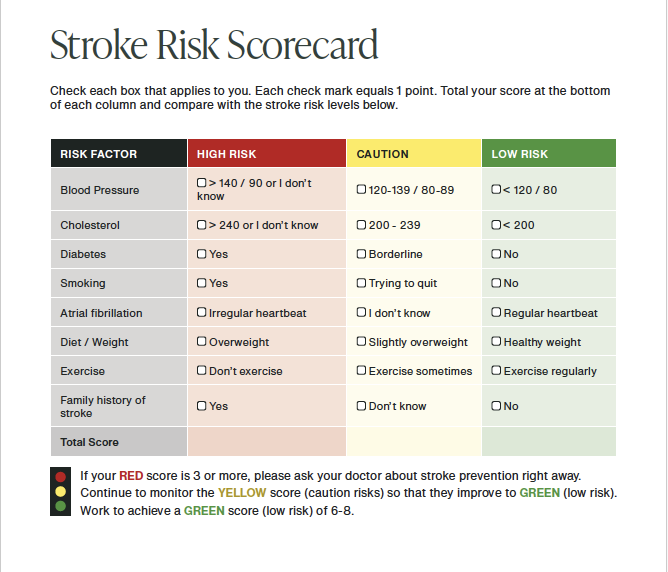
Know Your Risk
Hoag Support Groups
Stroke Hybrid Support Group
This group offers support for stroke survivors, caregivers, family members, and friends. Virtual meetings are held via Zoom on the 4th Thursday of every month from 2:00 p.m. – 3:30 p.m. For more information call (949) 764-3623
To register and get a link to the meetings visit: Stroke Virtual Support Group Registration
Brain Aneurysm & AVM Virtual Support Group
This group is for Brain Aneurysm & AVM Survivors, those diagnosed but not yet ready for treatment, and immediate family members or caregivers.
Virtual meetings are held via Zoom on the 2nd Wednesday of every other month from 6:00 p.m. – 7:30 p.m. For more information call (949) 764-3628
To register and get a link to the meetings visit Brain Aneurysm & AVM Virtual Support Group Registration
Local & National Oragnizations
In addition, the following organizations are provided as resources and are not associated with Hoag Memorial Hospital Presbyterian or Hoag Neurosciences Institute.