
Hoag Memorial Hospital Presbyterian
1 Hoag Drive, Building #41
Newport Beach, CA 92663
949-722-6237
Transoral endoscopic thyroidectomy is a technique where trained surgeons access the thyroid through three small incisions inside the mouth, between the gum line and lower lip. Through these access points, a surgeon utilizes an endoscope to view and remove the affect thyroid.
Unlike traditional thyroidectomy, where surgeons make up to a two inch incision on the throat, leaving a noticeable scar, the transoral thyroidectomy allows for a scarless approach to care.
Hoag is the first in Southern California to perform this procedure, led by surgeons Michael Demeure, M.D. and Colleen Coleman, M.D.
Hoag’s Endocrine Tumors Program brings together fellowship-trained surgeons, oncologists, endocrinologists, and specialized clinical teams who collaborate to deliver comprehensive, individualized care.
Hoag offers clinical trials in the following areas of the endocrine system: thyroid, adrenal, neuroendocrine, and pituitary. Part of the International Thyroid Oncology Group, we work with an international group of leading physicians, scientists, and advocates to test the safety and effectiveness of new strategies for diagnosing and treating thyroid cancer.
Hoag is the top choice for cancer care in Orange County, with cancer survival rates that continually exceed national averages. Our dedicated, world-class teams are wholly focused on helping you survive cancer, heal and move forward with your life.



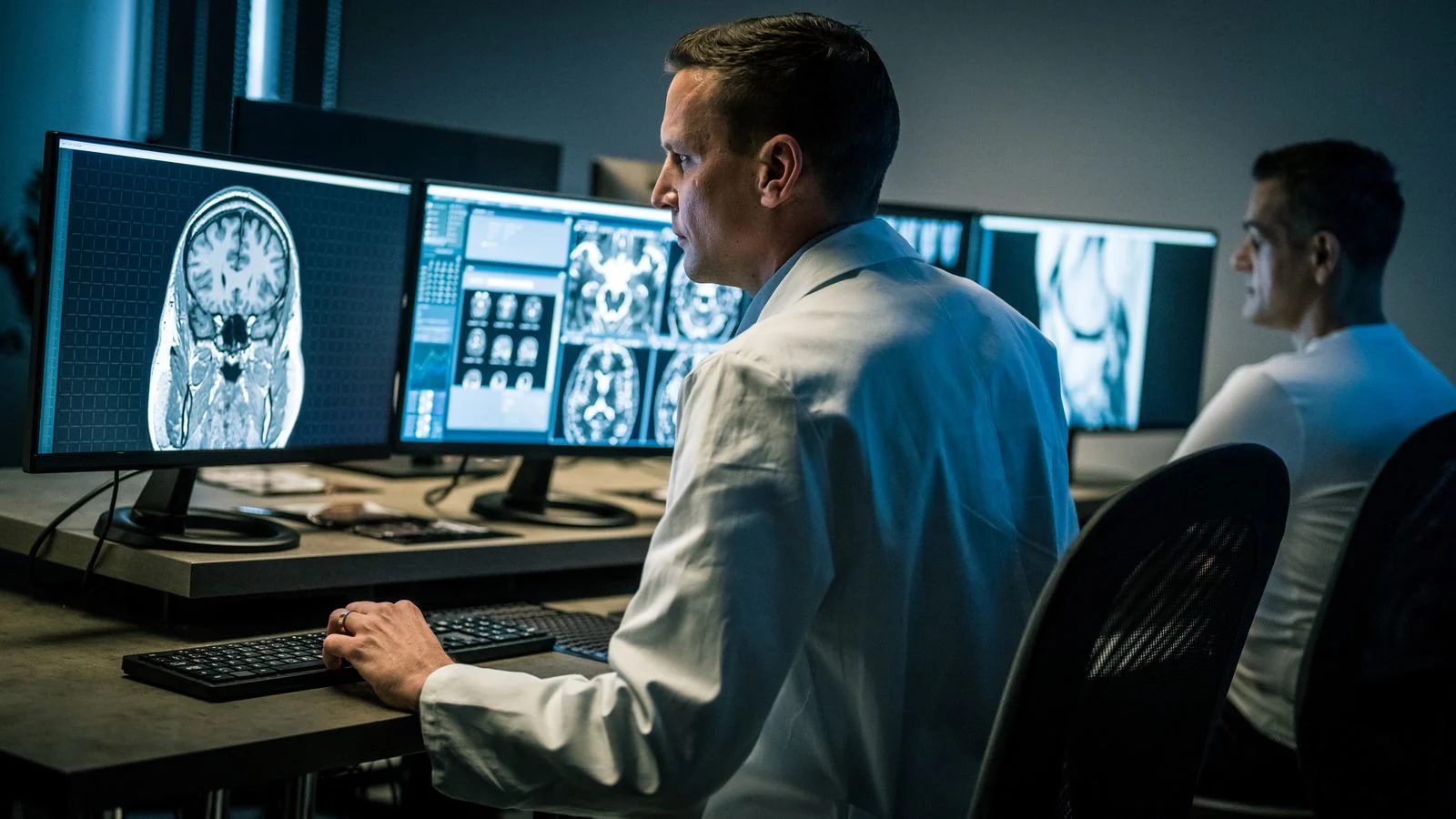
“At Hoag, Melanie became the first person in Southern California to undergo a scarless transoral endoscopic thyroidectomy procedure.”

1 Hoag Drive, Building #41
Newport Beach, CA 92663
949-722-6237

16105 Sand Canyon Ave.
Irvine, CA 92618
(949) 722-6237

1 Hoag Dr., Building 47
Newport Beach, CA 92663
949-764-1880

19582 Beach Blvd., #219
Huntington Beach, CA 92648
714-477-8130
Get care from medical providers that fit your needs in a location near you.
Find a providerFind information made to guide and support you on your journey.
See all resourcesDidn’t see what you’re looking for? Reach out and we’ll make sure you get what you need.
Contact usWhile the cause of most endocrine tumors is unknown, certain inherited genetic conditions can increase a person’s risk of developing tumors in the thyroid, parathyroid, adrenal glands, pancreas, or pituitary glands. For example, multiple endocrine neoplasia (MEN) Types 1 and 2 are hereditary syndromes associated with endocrine and neuroendocrine tumors.
Hoag’s Hereditary Cancer Program offers risk assessment counseling and genetic testing to individuals with a personal or family history of cancer. If you have a family history of thyroid, parathyroid, adrenal, pancreas, neuroendocrine, or pituitary cancer, speak with your physician about whether genetic testing may be appropriate for you.
Accurate diagnosis and staging of endocrine tumors are critical in developing an effective treatment plan and achieving the best outcomes. Endocrine tumors are complex and can be challenging to diagnose. For these reasons, it is important to seek treatment from a team with high levels of experience and expertise.
Hoag’s Endocrine Tumors Program team is skilled in the accurate diagnosis of endocrine tumors. Recent advances in nuclear imaging technology have improved physicians’ ability to accurately detect and evaluate endocrine tumors. Hoag is a leader in these progressive techniques and advanced imaging technology, giving patients every advantage.
Beginning with a thorough evaluation that includes a comprehensive physical exam, personal medical history review and state-of-the-art diagnostic workup, Hoag’s multidisciplinary team of endocrine tumor experts carefully evaluate and pinpoint the nature of the cancer, so the most appropriate personalized treatment options can be employed.
The following tests may be used to determine if you have an endocrine tumor and may also be used to see how your cancer is responding to treatment:
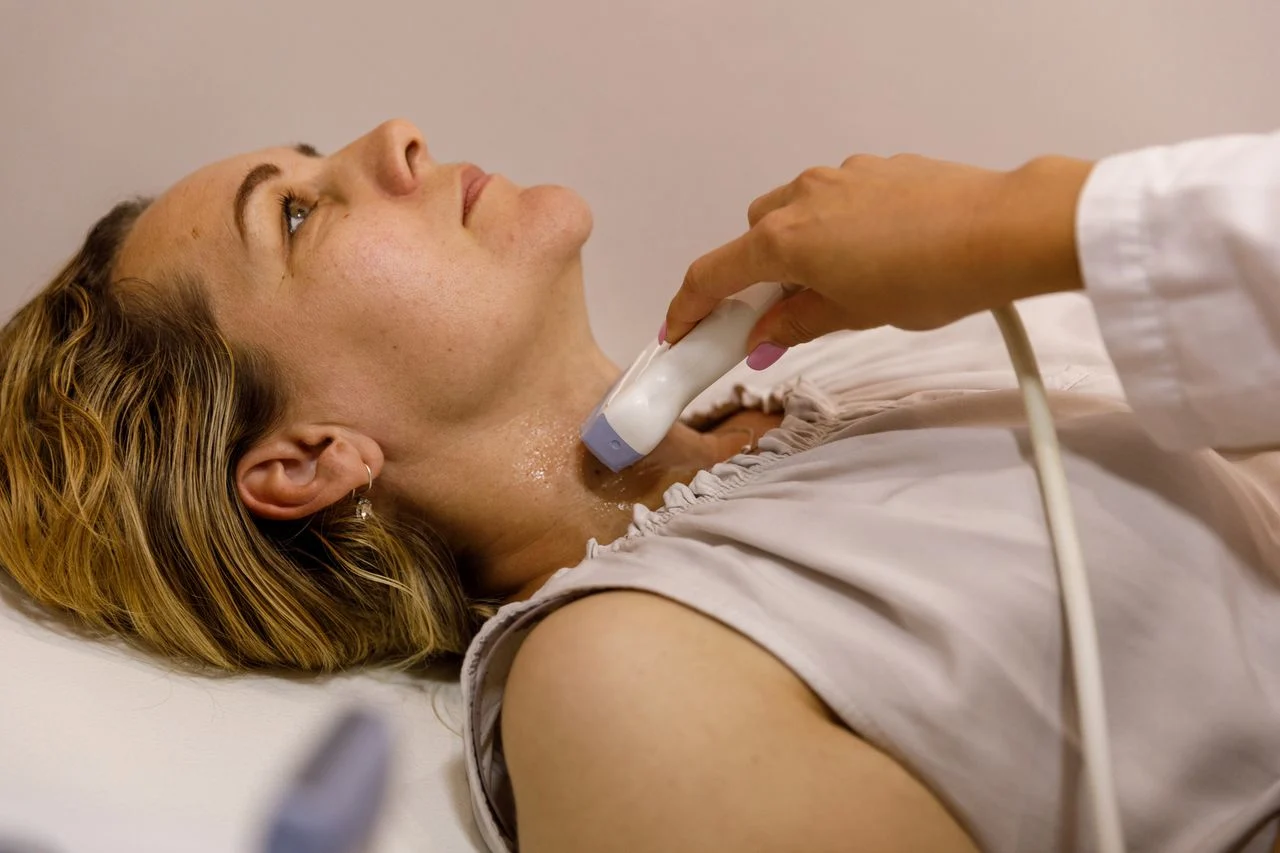
Ultrasound uses high-frequency sound waves to generate pictures of internal organs and can be used to detect tumors in various locations of the body.
Endoscopic Ultrasound uses a special endoscope with an ultrasound device placed within the digestive tract.
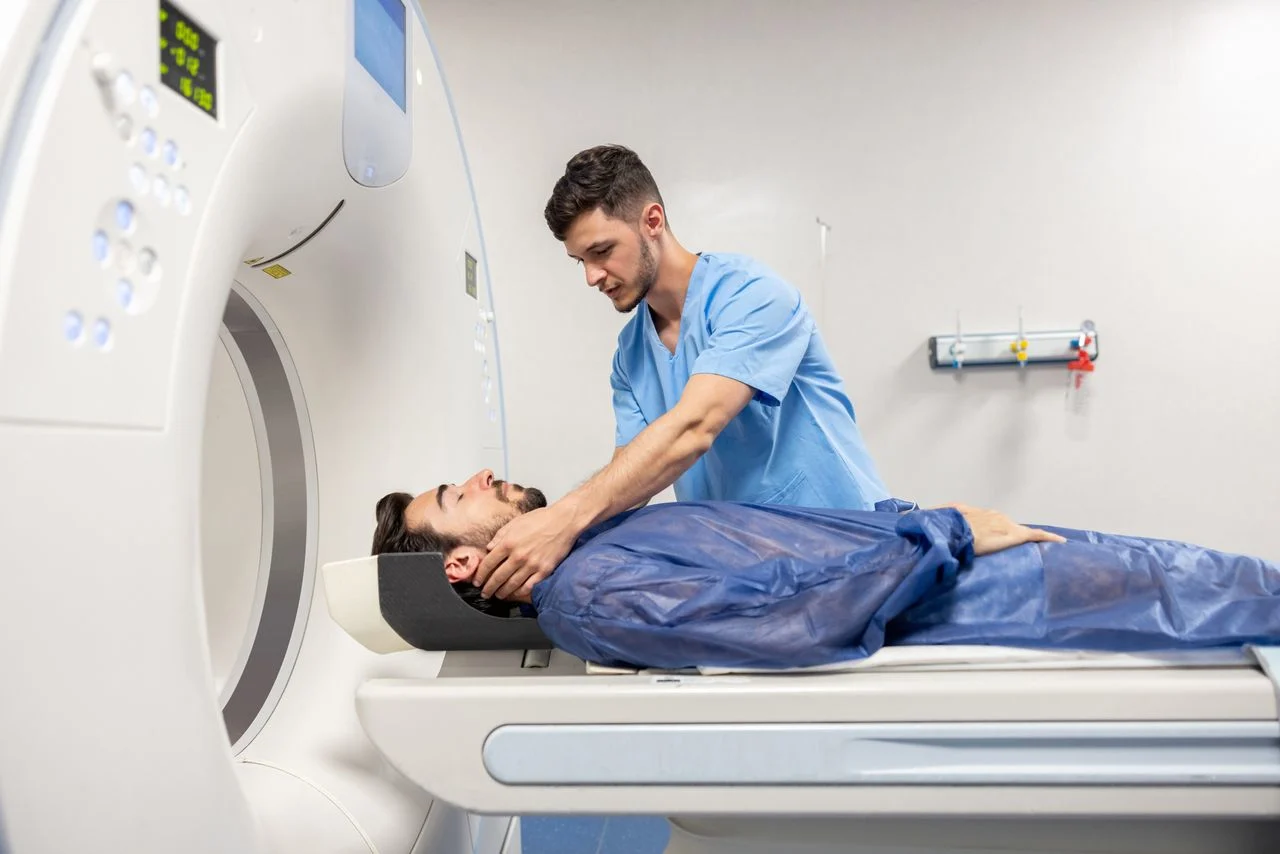
Computed tomography (CT) combines special X-ray equipment with sophisticated computers to produce multiple images useful in the detection of adrenal, thyroid, neuroendocrine, and pituitary tumors.
Magnetic Resonance Imaging (MRI) produces images of the body’s internal structures by passing radio waves through a powerful magnetic field. This imaging technology is often used in diagnosing adrenal, thyroid, neuroendocrine, and pituitary tumors.
PET scans can be useful in determining if tumors are benign or malignant and if cancer has spread to other parts of the body.
Gallium 68 Dotatate is a radioactive substance that when injected into the veins, and allow tumors to be seen by PET/MRI or PET/CT. It is a significant advance in the detection and evaluation of neuroendocrine and carcinoid tumors. Hoag is among the first hospitals to offer the advanced imaging technology.
PET/MRI is a revolutionary hybrid imaging technology that combines magnetic resonance imaging with positron emission tomography, providing more detailed information than either technique can alone, in one step. Hoag is the first hospital on the West Coast to routinely offer MR / PET to patients.
Laparoscopy may help determine if cancer has spread to lymph nodes or other parts of the body. A laparoscope is a thin, flexible tube with a small video camera on the end, which is inserted through a small surgical opening on the side of the body.
Blood and Urine Tests may be used to look for high levels of the hormones made by some endocrine tumors.
Biopsy involves removing a sample of tissue containing the abnormal cells and evaluating them under a microscope to determine if they are cancerous. Several different types of biopsies may be used in diagnosing endocrine cancer.
da Vinci® Robotic Surgery
The da Vinci® SP1 Surgical System is an innovative robotic platform that allows surgeons to perform complex surgeries through a single incision.
Molecular Imaging & Therapy Program
Recognized as one of only 48 Radiopharmaceutical Therapy Centers of Excellence in the world. Hoag is helping pioneer the most sensitive imaging methods to date to advance research and applications of molecular imaging and therapy in the treatment of cancer patients.
Precision Medicine Program
Hoag’s Precision Medicine Program combines genomics and genetics to diagnose, treat, and prevent diseases. Using the latest advances in genomic technologies, targeted therapies and research, our precision medicine program brings together a multidisciplinary team, including a robust genetic counseling group of experts, to provide patients with the latest in innovation and technology.
Radiation Oncology
Hoag’s Radiation Oncology Program offers the widest range of radiation therapy options available, ensuring every treatment plan is precisely tailored to each patient.
Tumor Boards
Tumor boards* are a meeting of Hoag’s top experts in their respective subspecialties to determine the best approach for a patient’s individual cancer case.
Tumors found in the hormone-producing glands of the endocrine system are rare and can be complex to treat. That’s why it’s important to seek treatment from a center with experience and expertise in the diagnosis and treatment of endocrine tumors.
Recent scientific breakthroughs have led to new treatment options for patients with endocrine tumors. Hoag is on the forefront of many of these advanced therapeutic options and is committed to providing the latest advances in care to our patients.
Hoag’s Endocrine Tumors Program provides a multidisciplinary approach to the treatment of endocrine tumors in the thyroid, parathyroids, adrenal glands, pituitary gland, intestines and pancreas. Our team of physician specialists consist of fellowship trained surgeons, medical oncologists, radiation oncologists, pathologists, radiologists, advanced endoscopists, and endocrinologists who work together to develop comprehensive, individualized treatment plans for each patient. Hoag’s team also includes nurses, support staff and other professionals who help patients and their families cope with the emotional and practical aspects of the disease.
Hoag Family Cancer Institute provides comprehensive care tailored to each patient. Your treatment may include one or more of the following modalities:
In most cases, surgery is the primary form of treatment for endocrine tumors and offers the best outcome. Your surgeon will determine the best surgical approach based on the type of tumor, its location, size, and whether it has spread to lymph nodes or other organs in the body. Hoag’s endocrine surgeons employ minimally invasive approaches whenever possible.
Because endocrine tumors are rare, it is important to seek care from a surgeon who is experienced and knowledgeable about your disease. At Hoag, our surgeons are subspecialty trained in endocrine surgery and often operate on patients with advanced endocrine cancer.
Transoral Thyroidectomy – Hoag first in Southern California to perform transoral endoscopic thyroidectomy, a scarless approach to removing the thyroid gland.
Chemotherapy may be used in the treatment of some endocrine tumors depending on the stage of the cancer. Chemotherapy uses drugs that destroy cancer cells or stop them from dividing. When chemotherapy is taken orally or injected into a vein or muscle, the drugs enter the bloodstream and can reach the body. This is called systemic therapy. Chemotherapy drugs may be given on their own or in combination with other anti-cancer drugs. Newer targeted agents may be offered that exploit genetic vulnerabilities in the cancer cells and generally have less toxic side-effects for the patient. Where possible, the patients may have genetic analysis of their cancer samples to help doctors select the best treatment for them, a process known as Precision Medicine.
Radiation therapy is the use of high-energy x-rays or other particles to destroy cancer cells. The goal of radiation therapy is to destroy cancer cells or stop their growth while sparing the healthy surrounding tissue.
External beam radiation therapy uses sophisticated machines to aim high-energy rays or beams from outside the body into the tumor. External beam radiation may be used in the treatment of certain endocrine tumors. Hoag Radiation Oncology offers the most comprehensive selection of advanced radiation technology in Orange County.
For patients with thyroid cancer, radioactive iodine is administered as an oral pill and is taken up by cancer cells and designed to kill the cancer cells selectively. Hoag became one of first hospitals in the county to use a new FDA-approved liquid form of radiation called Lutathera™ to treat patients with metastatic carcinoid and pancreatic neuroendocrine cancer. This treatment guides the radiative particle 177Lutium to the tumor cells by binding to a cell surface protein unique to these cancer cells.
Recent scientific breakthroughs in the understanding of endocrine tumors are expanding treatment options for some patients. Hoag Family Cancer Institute is committed to providing patients access to the newest and most promising therapies close to home.
Hoag is a member of the International Thyroid Oncology Group (ITOG) and A5 Alliance for adrenal cancer. These consortiums bring together leading physicians, scientists, and advocates to facilitate groundbreaking clinical research to deliver the latest scientific advances to patients. Through Hoag’s participation, patients eligible for a clinical trial have access to some therapies that are not available anywhere else in Orange County or even Southern California.
Hoag Family Cancer Institute also offers phase I and II clinical trials that test new anti-cancer therapies. If you are eligible to participate in a clinical trial, you may have access to new treatment options that are not widely available.

Medical Director, Melanoma & Complex Skin Cancer Program
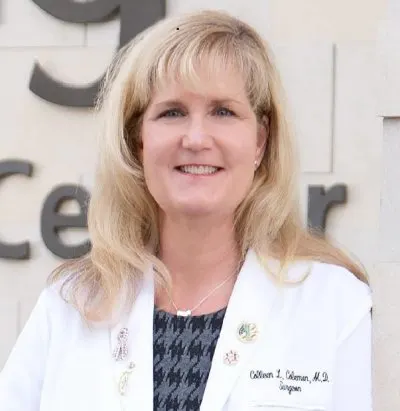
Breast & Endocrine Surgery, General Surgery
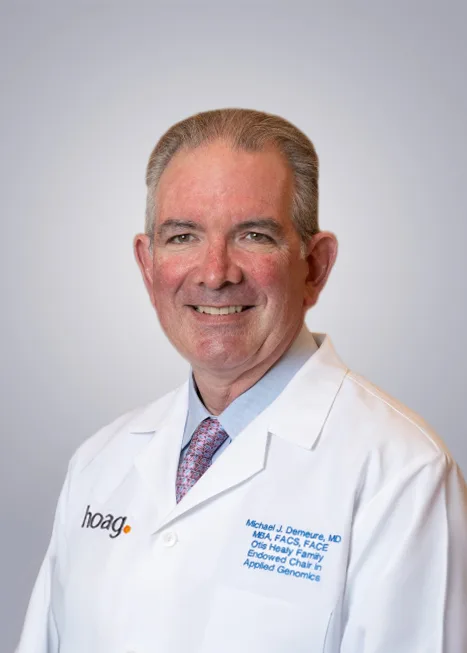
Program Director, Hoag Precision Medicine Program, Otis Healy Family Endowed Chair in Applied Genomics
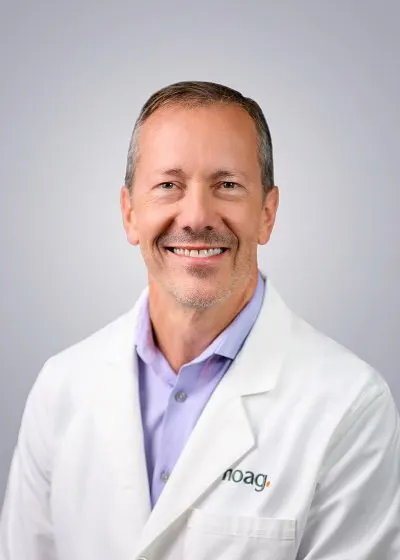
Medical Director, Hepatobiliary and Pancreas Surgery
Hepatobiliary and Pancreas Surgery

Co-Director, Breast Medical Oncology

Medical Director, Hepatobiliary Cancer

Medical Oncology
Medical Director, Radiation Oncology Program
Radiation Oncology
Radiation Oncology
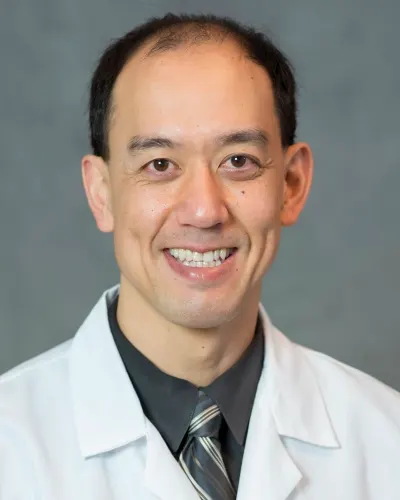
Radiation Oncology

Radiation Oncology
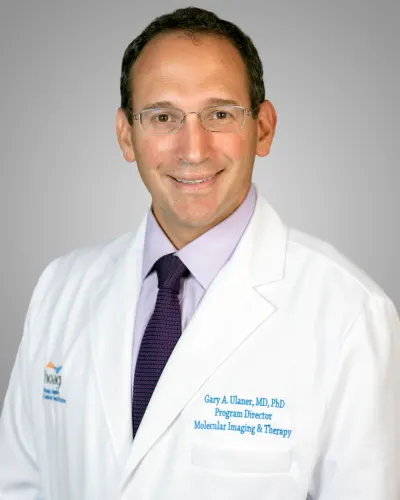
James & Pamela Muzzy Endowed Chair in Molecular Imaging and Therapy
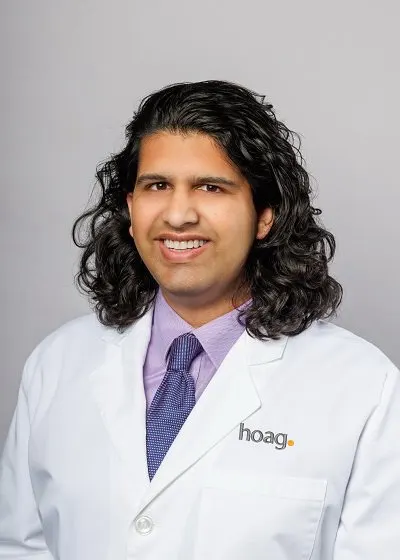
Diagnostic Radiology, Nuclear Medicine

Clinical Nurse Navigator
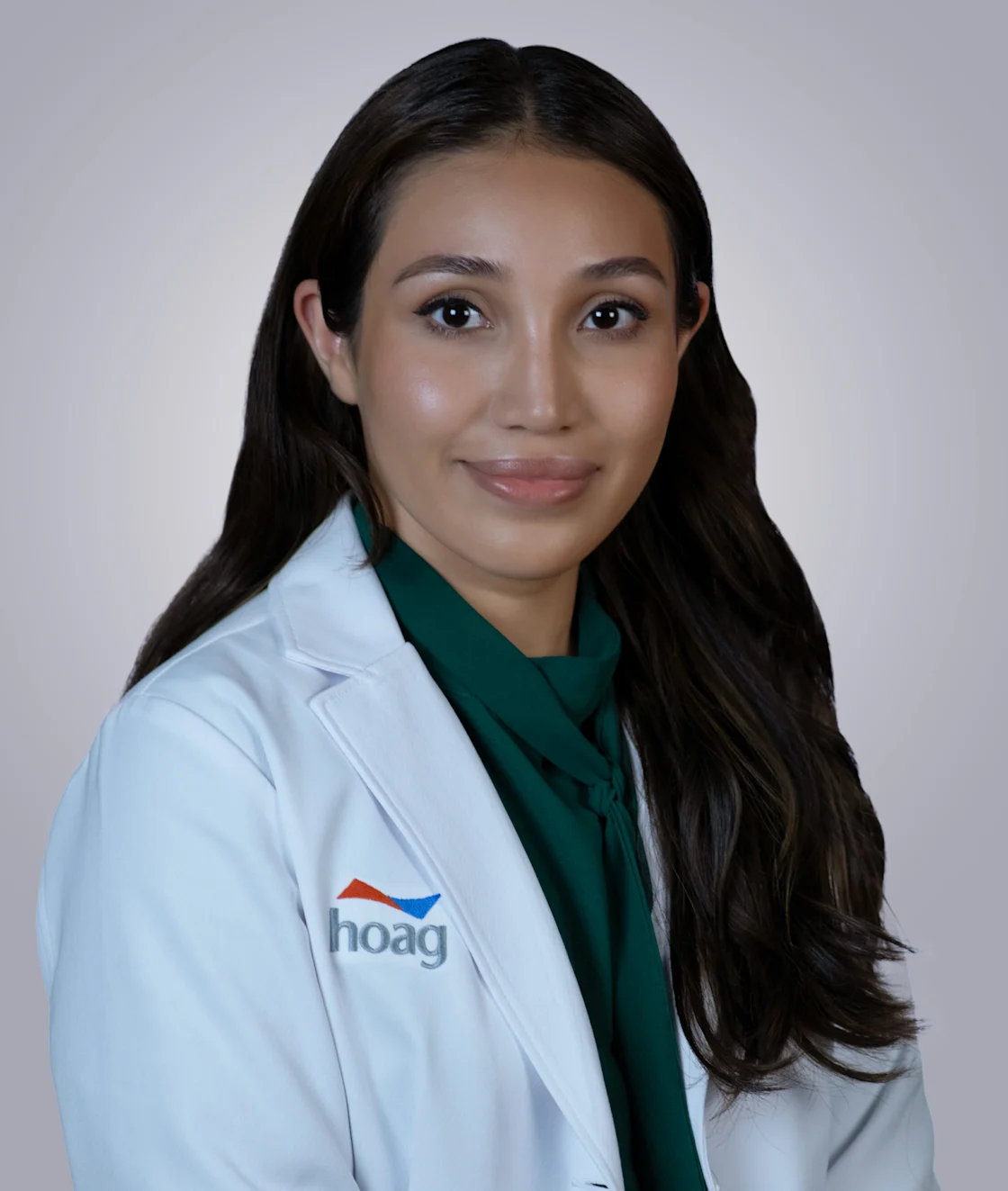
Clinical Nurse Navigator
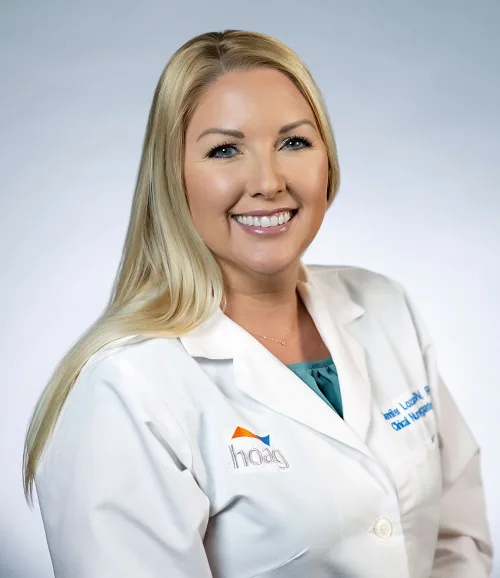
Clinical Nurse Navigator
Hoag’s Precision Medicine Program combines genomics and genetics to diagnose, treat, and prevent diseases. Using the latest advances in genomic technologies, targeted therapies and research, our precision medicine program brings together a multidisciplinary team, including a robust genetic counseling group of experts, to provide patients with the latest in innovation and technology.
Being diagnosed with cancer can feel overwhelming at times. Many patients and their families need help with coping and can benefit from supportive counseling. Oncology Clinical Social Workers are available to provide emotional and practical support during all stages of cancer including diagnosis, treatment and post-treatment survivorship.
Hoag Family Cancer Institute dietitians work closely with patients’ physicians, nurses, therapists, and social workers to ensure complete care.
Thyroid Cancer Nurse Navigator – Tina Corriere, B.S.N., R.N., O.C.N.
Gastrointestinal Cancer Nurse Navigator – Diane Eadie, R.N., B.S.N.
At Hoag, we offer a variety of support services led by a caring clinical and social work team.
Clinical nurse navigators are a unique asset to Hoag. They serve as a guide for patients, answering questions and providing support through each phase of treatment. Nurse Navigators provide:
Emotional support and guidance for the newly diagnosed cancer patient and family
Education for patients and family members about cancer
Information about community resources and Hoag support services
Help in coordinating the patient’s multidisciplinary care plan
Assistance in navigating the healthcare system during and after treatment
Cancer Support Services offers a variety of classes to support and educate patients during and after cancer. These classes and workshops are all free of charge.
One-On-One Counseling with an oncology social worker
Fitter Image Exercise Programs, including yoga, pilates and energizing cardio and toning
Workshops for Well-Being, including free flow writing, meditation, reiki and creative art classes
Oncology Dietitians – Hoag Family Cancer Institute provides two dedicated Registered Dietitians who are available to advise patients on nutrition and provide resources for a healthier diet before, during and after cancer treatment.
Hereditary Cancer Program – Hoag offers both genetic counseling and genetic testing for individuals concerned about hereditary cancer.
CARES Program – For patients experiencing high pain or symptom burden during treatment, the Hoag CARES Team can help. Board-certified Palliative Care physicians, nurses and social workers are available to help manage physical and emotional symptoms alongside your cancer care team.
By submitting this request, you agree to receive communications from Hoag and accept our Privacy Policy and Terms of Use.