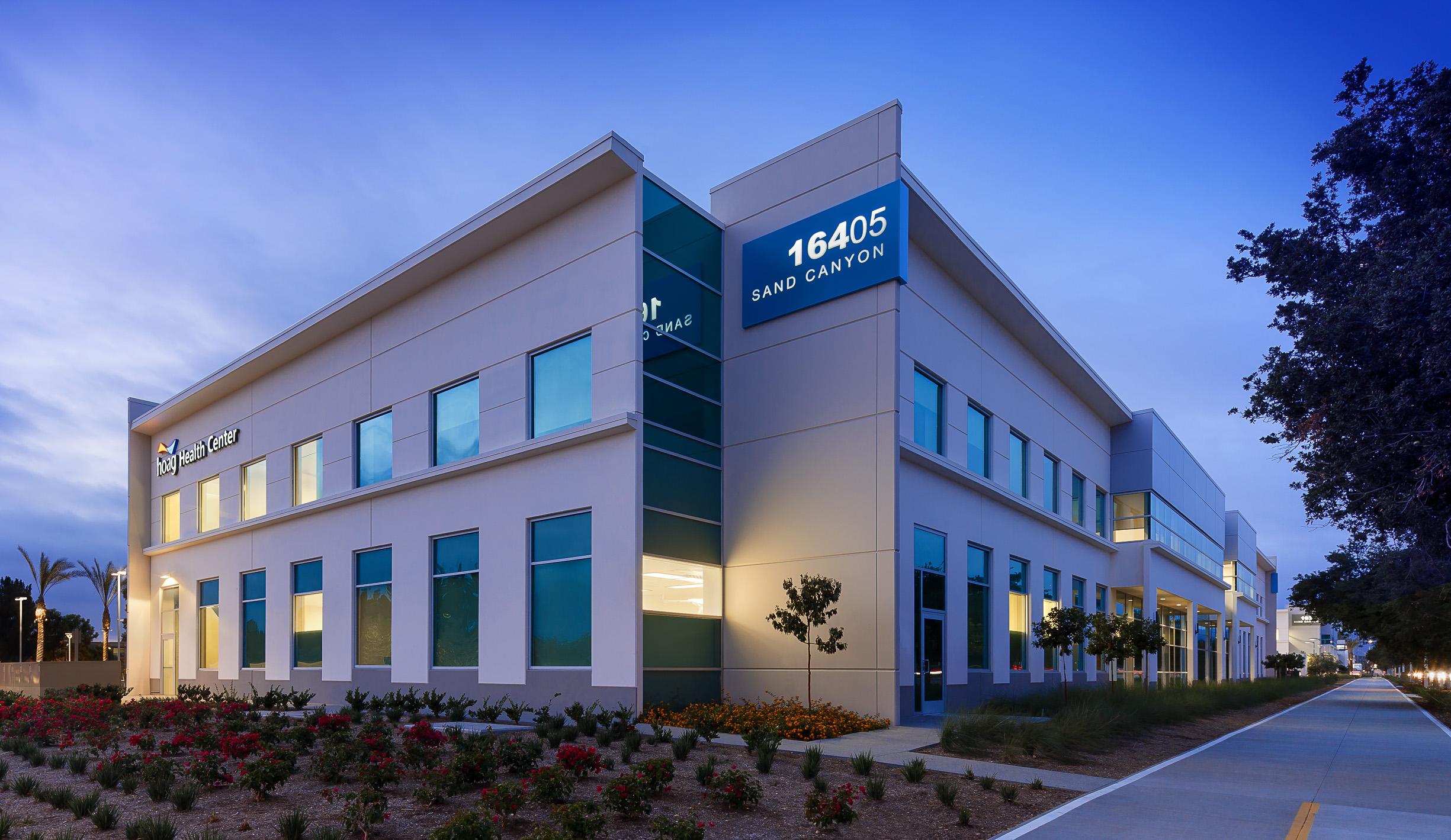



Hoag Spine Institute – Newport Beach
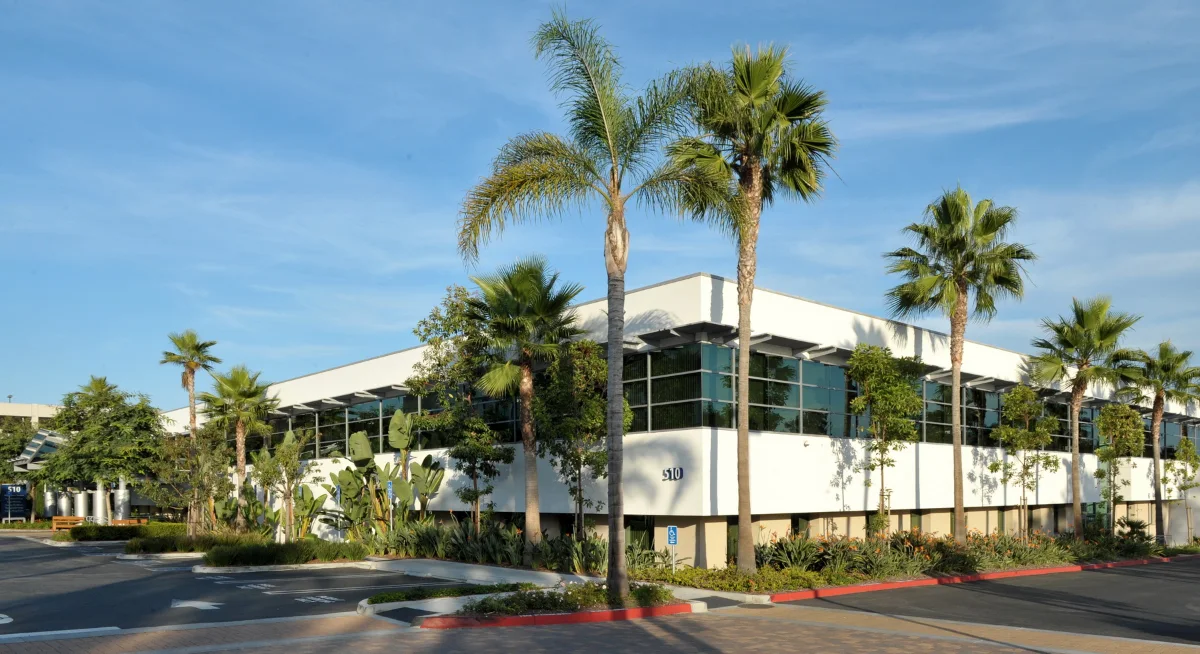
510 Superior Ave, Suite 290
Newport Beach, CA 92663
949-764-5444
When you're living with back pain, neck pain, numbness, tingling, or changes in mobility, finding the right diagnosis is the first step toward relief. At the Hoag Spine Institute, we combine leading-edge diagnostic technology with the expertise of highly specialized spine physicians and surgeons to help identify the cause of your symptoms and create a treatment plan tailored to your needs.
Patients throughout Orange County trust Hoag for comprehensive spine care because we focus on more than just imaging and test results. We take the time to understand how your condition affects your daily life, so we can recommend the most effective path forward, whether that involves physical therapy, pain management, minimally invasive procedures, or surgery.
Our multidisciplinary team includes spine surgeons, pain specialists, neurologists, radiologists, physical therapists, and rehabilitation experts who work together to provide seamless, coordinated care. Using advanced imaging and diagnostic tools, we can evaluate a wide range of spine conditions affecting the neck, back, spinal cord, discs, joints, and nerves.
Even for complex or uncommon spine disorders, Hoag offers the expertise and technology needed to deliver precise diagnoses and personalized treatment recommendations.
If you're seeking a surgical consultation or second opinion, call 949-764-5444 or fill out our online form.
Diagnosing spine-related issues usually involves a two-pronged approach: consultation with a physician and a thorough physical examination, followed by additional diagnostic testing if your healthcare provider determines that the initial exam warrants further investigation.
The process of diagnosing spinal dysfunction or a spinal problem usually begins with an appointment with a physician and a physical examination, during which vital signs like your blood pressure and heart rhythm will be evaluated.
During the exam, it's likely that your back and spine will be examined closely for lumps, sore spots, injuries, redness, or tenderness that might suggest a reason for the symptoms you are experiencing. The doctor will also likely assess your posture, range of motion, muscle strength, sensation, and reflexes.
Depending on the symptoms you have, the doctor may also perform specific tests during the exam to check for problems like nerve root compression, a herniated disc, spinal stenosis, or an abnormally curved spine (scoliosis).
During the exam, it's also likely that the doctor will ask you a series of questions, including:
The symptoms you're experiencing and for how long
What you suspect may have triggered your spinal issues, like improper lifting, a herniated disc, or a congenital (present at birth) issue
Factors that lessen or worsen any discomfort you're experiencing, like walking, standing, bending, or twisting
Your personal medical history, focusing on issues that could potentially be contributing to back pain and other symptoms, including previous spinal surgery, recent illnesses or infections, old back injuries or trauma, damage to the nerves, diabetes, kidney issues, degenerative disc disease, pulled muscles or ligaments, osteoporosis, and more
Your family history of medical and spine issues, potentially including questions about direct family members who had spine surgery, degenerative disc disease, herniated discs, scoliosis (an abnormally curved spine), chronic back pain, and certain genetically inherited conditions that might affect the structure, function or strength of your spine and associated tissues
After the initial exam, if your doctor suspects a specific spine issue or if the results of the exam don't point to a specific cause, you may be asked to submit to one or more diagnostic tests to help pinpoint the cause of your spinal pain or spine-related dysfunction.
Minimally invasive diagnostic tests used to diagnose spinal issues may include:
X-Ray Imaging
X-rays provide detailed images of the bones of the spine and can help identify fractures, alignment concerns, arthritis, scoliosis, and other structural abnormalities.
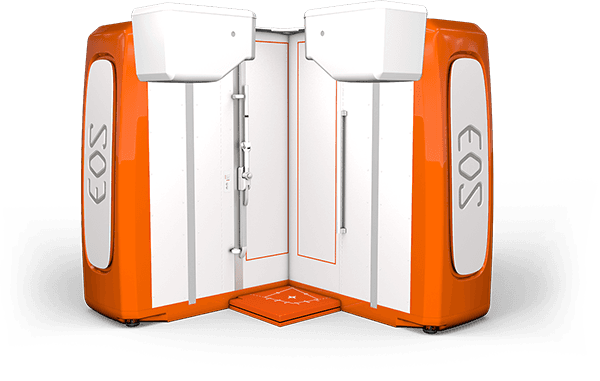
EOSedge™ Full-Body Imaging
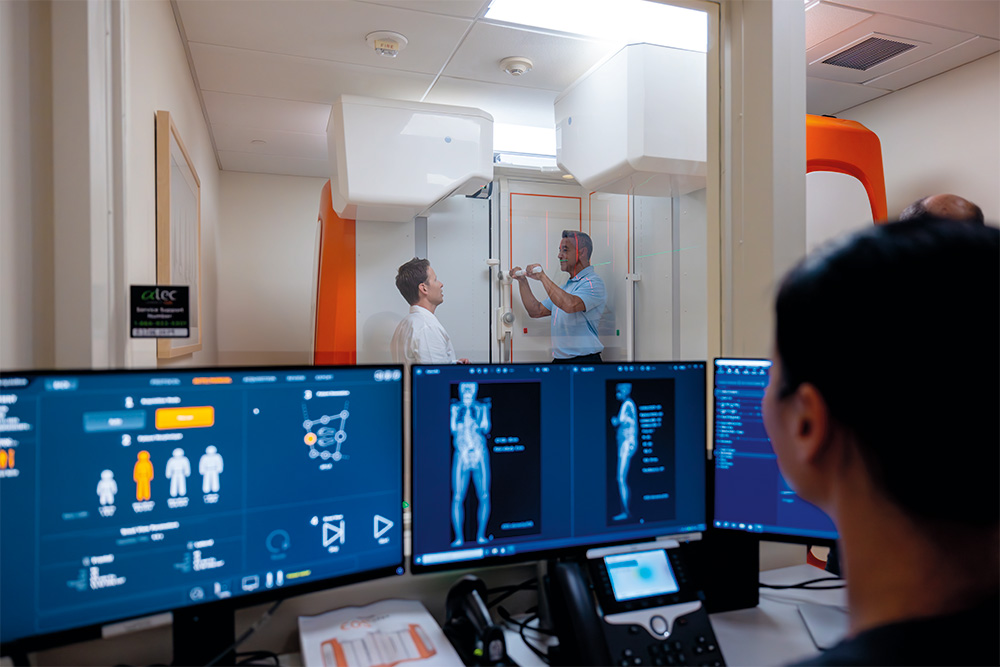
Hoag is proud to offer EOSedge™, an advanced imaging platform designed to capture high-resolution images of the entire musculoskeletal system while patients are in a natural standing position.
Unlike traditional imaging studies that focus on a single area of the body, EOSedge enables physicians to see how the spine works in relation to the hips, knees, pelvis, and lower extremities. This broader perspective can provide important insights when evaluating spinal conditions and planning treatment.
Magnetic Resonance Imaging (MRI)
MRI scans use magnetic fields to create detailed images of the bones, soft tissues (such as discs and ligaments), and even the nerves of the spine, without ionizing radiation. MRIs are helpful in diagnosing issues like a herniated spinal disc, spinal stenosis, spinal tumors and other conditions.
Computed Tomography (CT)
CT scans provide detailed, cross-sectional images of the spine and surrounding structures. CT scans can be helpful in diagnosing fractures, tumors, and infections.
Electromyography (EMG)
Electromyography, or EMG, is a diagnostic test that evaluates the health and function of the muscles and nerves that control them. When diagnosing spinal issues, EMG can be helpful in evaluating nerve damage caused by compression in the spine.
Nerve Conduction Studies (NCS)
A nerve conduction velocity (NCV) study is a test that measures how quickly electrical impulses travel through your nerves. In cases of spinal dysfunction, NCV can help diagnose nerve damage or nerve root compression and is often used in conjunction with electromyography (EMG) to determine if a person's symptoms are caused by nerve or muscle problems.
Biopsy
In cases involving suspected spinal tumors, your health care provider may order what's called a biopsy. During a biopsy, surgeons use a needle to remove a small amount of tissue from a suspected tumor so it can be examined in a lab.
Myelography
Myelography is an X-ray technique that uses a contrast dye injected into the spinal canal to help physicians better visualize the spinal cord and nerve roots. Myelography is helpful for detecting abnormalities that can't easily be seen on regular X-rays. However, the test is less commonly used today because more detailed images can be obtained through MRI.
Blood Tests
Blood tests can help identify underlying conditions that may contribute to spinal issues, such as inflammatory diseases or infections.
Lumbar Puncture
Also called a spinal tap, a lumbar puncture involves inserting a needle into the back and withdrawing a small amount of the cerebrospinal fluid (CSF) for analysis. Because CSF surrounds the brain and spinal cord, taking a sample can help diagnose issues related to spinal dysfunction, including infections, inflammation, or bleeding in the spinal canal.
Now at the Hoag Spine Institute: Advanced Surgical Planning with SyncAR® for Spine
Innovation at Hoag extends beyond diagnosis and into the operating room.
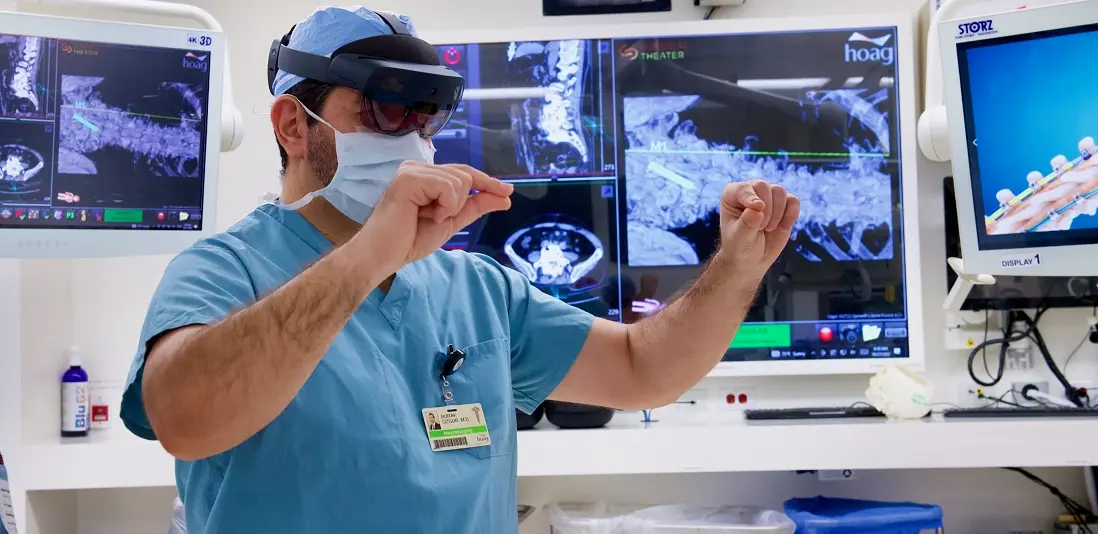
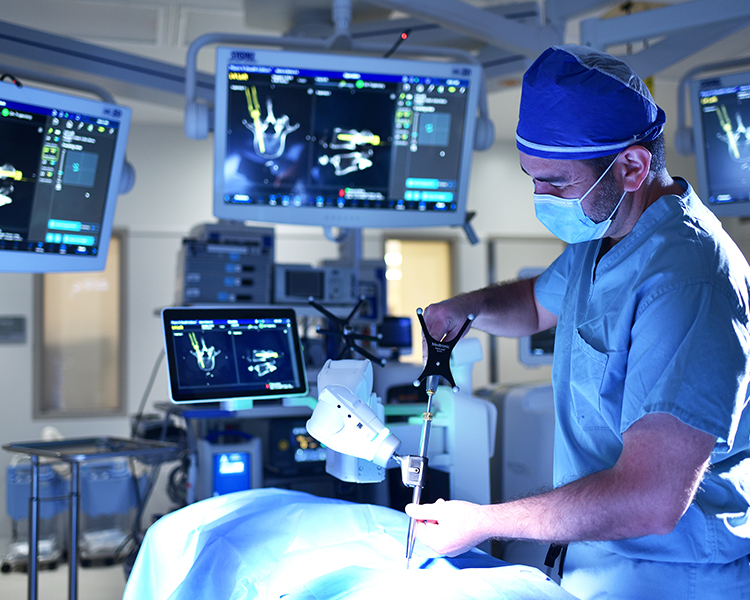
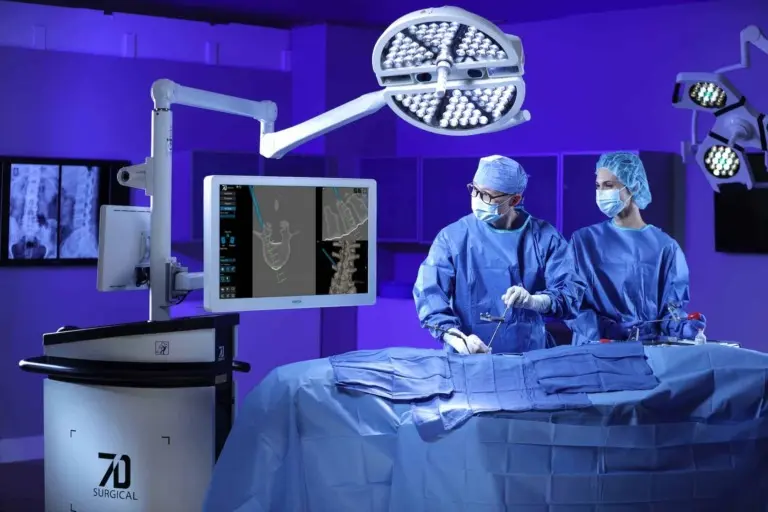
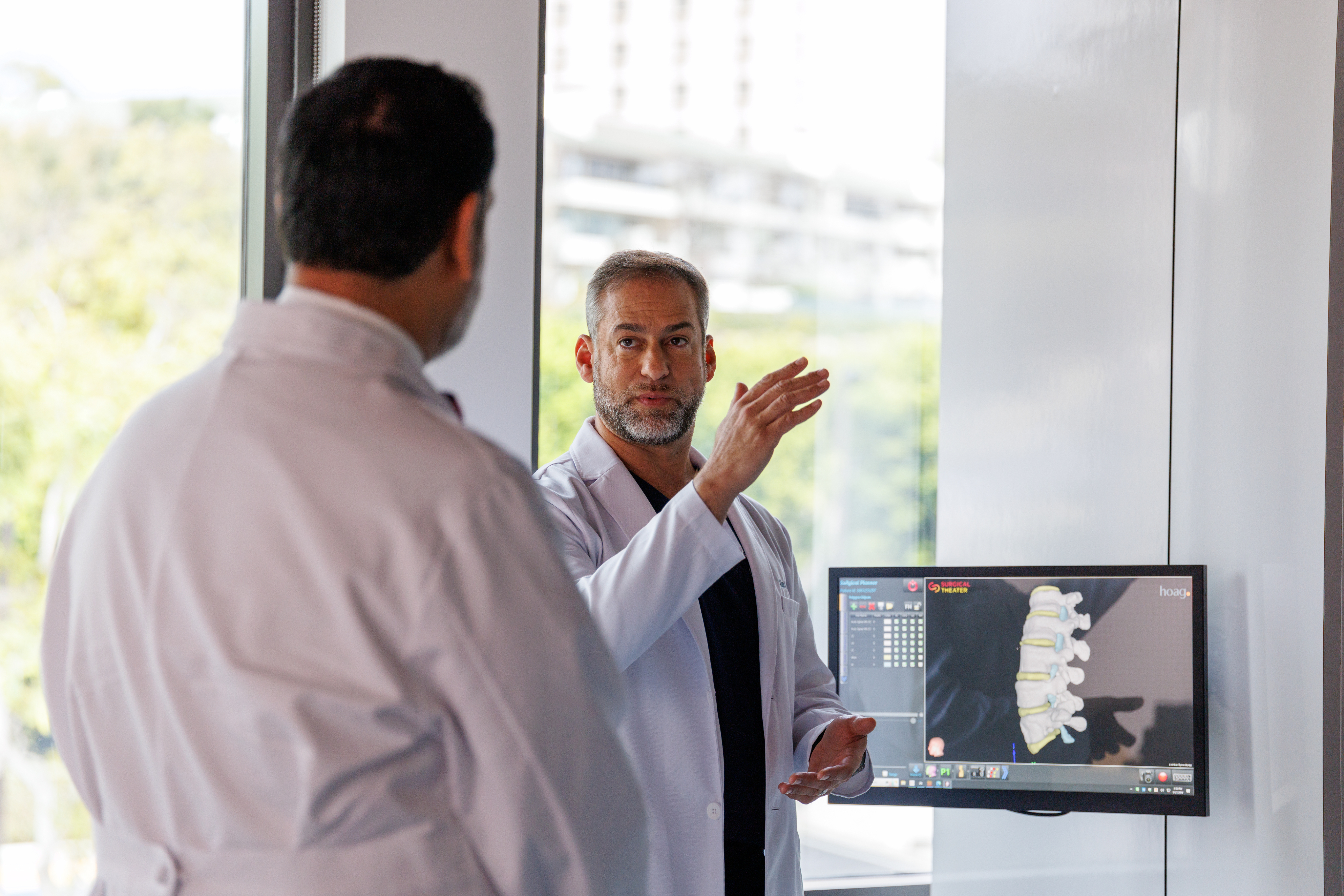
Hoag is among a select group of health systems utilizing SyncAR® for Spine, an advanced augmented reality platform developed through a collaboration between Hoag's Pickup Family Neurosciences Institute and Surgical Theater.
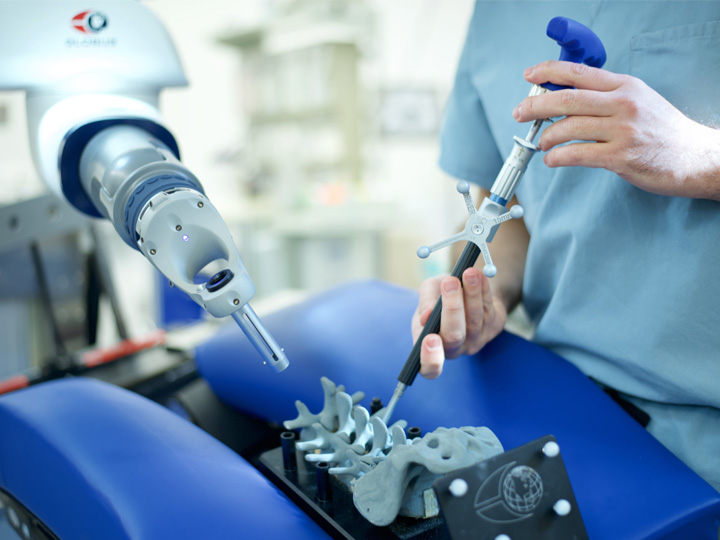
By converting a patient's MRI and CT scans into a highly detailed three-dimensional model, SyncAR enables surgeons to visualize critical anatomy before and during surgery with remarkable precision. This technology helps physicians plan complex procedures, identify important structures, and make informed decisions throughout surgery.
For patients, this advanced level of surgical planning may contribute to improved precision and personalized care.
Living with ongoing back or neck pain can affect every aspect of life, from work and family responsibilities to sleep, mobility, and overall well-being. At Hoag Spine Institute, we understand the challenges that spine conditions create, and we're committed to helping you find answers, relief, and renewed confidence in your health.
Our nationally recognized team provides comprehensive care for a wide range of conditions, including herniated discs, spinal stenosis, scoliosis, spinal fractures, degenerative spine disorders, and chronic neck and back pain. Whether you need conservative treatment, rehabilitation, pain management, or advanced spine surgery, you'll receive compassionate, personalized care every step of the way.
If you're seeking expert spine care, a surgical consultation, or a second opinion, we're here to help.
Call 949-764-5444 or request an appointment online today.