Hoag Memorial Hospital Presbyterian
1 Hoag Drive, Building #41
Newport Beach, CA 92663
949-722-6237
All men over 55 should be screened for prostate cancer by a doctor every year. Men who are at higher risk due to their race, age or family history should consider being regularly screened earlier, after age 40. Prostate cancer screening includes the following:
A digital rectal exam
Blood testing
If those tests are positive, your doctor may refer you for other tests or procedures, that may include:
Transrectal ultrasound
Prostate MRI
Molecular urine tests
Prostate biopsy
PSMA imaging
Prostate biopsies are used to diagnose prostate cancer. Generally, there are two main types of prostate biopsies:
Transrectal method, this is the most common form of prostate biopsy, in which an ultrasound probe is placed into the rectum to guide a biopsy needle. Samples are directly taken from the prostate.
After diagnosis, your case will be evaluated and given what’s called a “Gleason Score,” which assigns a grade to your prostate cancer cells from 6 (not at all aggressive) to 10 (fast-spreading and very aggressive). Your doctor will talk to you about your current symptoms, discuss treatment options and potentially refer you to a urologic specialist for more tests or surgery. Remember that prostate cancer is one of the most treatable of all cancers, with over 96 percent of those diagnosed surviving at least 5 years past diagnosis.
Learn more about Hoag’s Urologic Cancer Program and our multidisciplinary Urologic Cancer Team.
Hoag is Orange County’s highest surgical-volume program for prostate cancer, made evident by U.S. News & World Report ranking Hoag as a high-performing hospital in prostate cancer surgery.
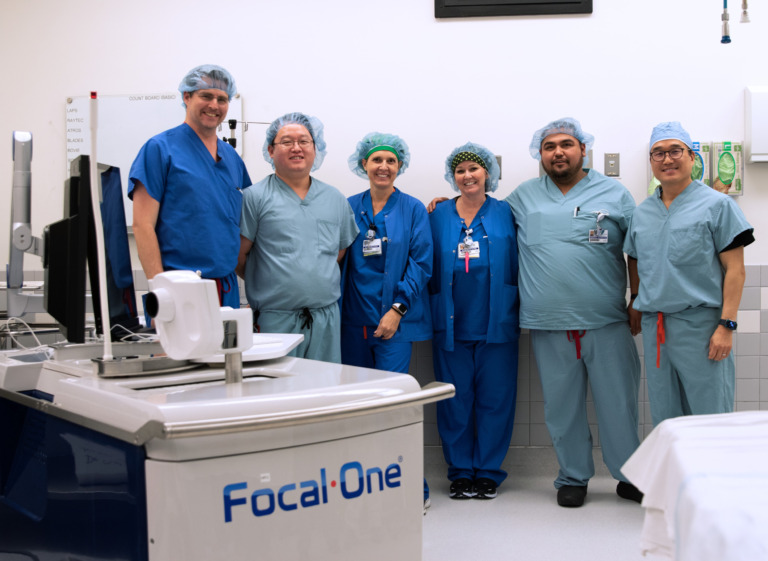
Hoag offers Focal One® Robotic Focal HIFU, today’s most advanced technology for precisely targeted ablation of diseased prostate tissue.
We’re here for the things you can’t plan for. Hoag is the OC’s top choice for world-class, comprehensive cancer care with cancer survival rates that continuously exceed national averages.



1 Hoag Drive, Building #41
Newport Beach, CA 92663
949-722-6237
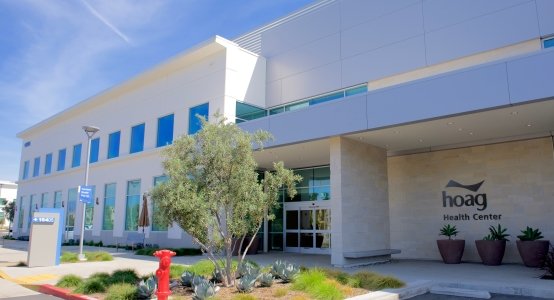
16105 Sand Canyon Ave.
Irvine, CA 92618
(949) 722-6237

1 Hoag Drive, Building #47
Newport Beach, CA 92663
949-764-1880
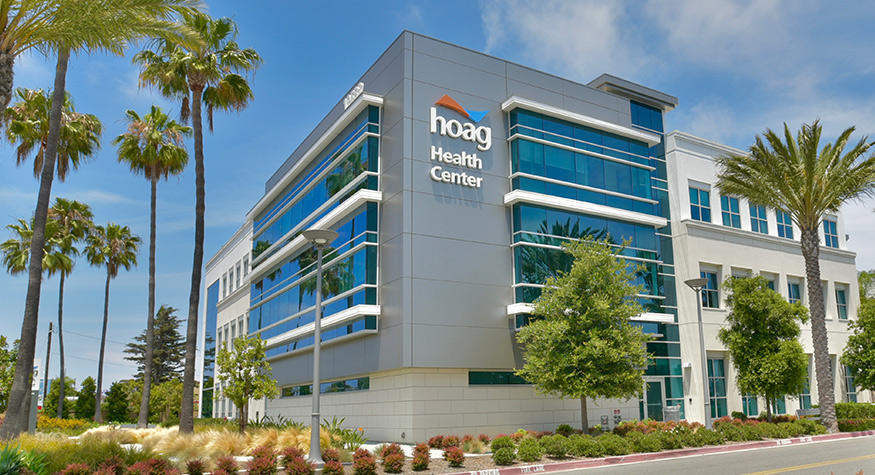
19582 Beach Blvd., #219
Huntington Beach, CA 92648
714-477-8130
Get care from medical providers that fit your needs in a location near you.
Find a providerFind information made to guide and support you on your journey.
See all resourcesDidn’t see what you’re looking for? Reach out and we’ll make sure you get what you need.
Contact usTreatment options for prostate cancer depend on many factors, including how advanced the cancer is when detected, your age and any other health issues you may have. In the case of very slow-growing prostate cancer, your doctor may advise only close monitoring. Other treatments for prostate cancer vary from patient to patient.
The Hoag Family Cancer Institute’s medical team includes experienced, fellowship-trained urologic oncologists who utilize the latest techniques and technology in the surgical management of prostate cancer. Advanced surgical treatments at Hoag include:
Minimally invasive surgical removal of the tumor through laparoscopic or robotic surgery. Learn more about robotic surgery at Hoag.
Non-invasive targeted ablation using high intensity focused ultrasound (HIFU). Learn more about
Hoag’s non-surgical options, including targeted ablation, chemotherapy and radiation therapies, are led by board-certified physicians using the latest in treatment technology in order a personalized, adaptive treatment plan. Non-surgical treatment options at Hoag include:
PSMA – Pluvicto Targeted Therapy
Research
Immunotherapy (including Cell Therapy)
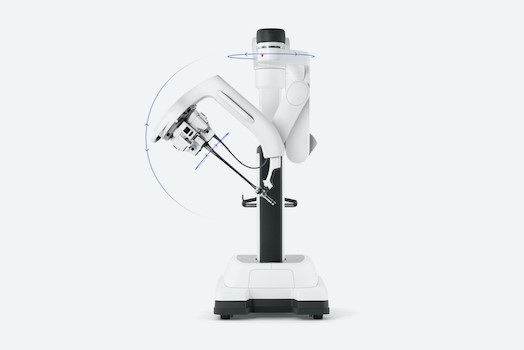
da Vinci® Robotic Surgery
The da Vinci® SP1 Surgical System is an innovative robotic platform that allows surgeons to perform complex surgeries through a single incision.
High-Intensity Focused Ultrasound (HIFU)
High-Intensity Focused Ultrasound (HIFU) uses an ultrasound probe to deliver high-intensity sound waves at a precise point. The magnitude of ultrasound energy delivered rapidly raises the temperature at the focal point, causing coagulation necrosis without damaging healthy tissue and structures outside the targeted area.
Radiation Oncology
Hoag’s Radiation Oncology Program offers the widest range of radiation therapy options available, ensuring every treatment plan is precisely tailored to each patient.
Stereotactic Body Radiation Therapy (SBRT)
Stereotactic Radiation Therapy (SRT) is an intermediate technique, with many of the characteristics of both Stereotactic Radiosurgery (SRS) and Image-Guided Intensity-Modulated Radiation Therapy (IG-IMRT). When applied outside of the brain, this technique is often called Stereotactic Body Radiation Therapy (SBRT).
Precision Medicine Program
Hoag’s Precision Medicine Program combines genomics and genetics to diagnose, treat, and prevent diseases. Using the latest advances in genomic technologies, targeted therapies and research, our precision medicine program brings together a multidisciplinary team, including a robust genetic counseling group of experts, to provide patients with the latest in innovation and technology.
Palliative Care
Palliative care is a specialty that focuses on improving the quality of life of individuals facing serious illness through medical management and emotional support.
Tumor Boards
Tumor boards* are a meeting of Hoag’s top experts in their respective subspecialties to determine the best approach for a patient’s individual cancer case.
Cancer Clinical Trials
Early development clinical trials (phase I and II) are novel drug therapies that examine new treatments that provide options beyond standard of care. During these trials, researchers are carefully examining the best way to administer the treatment, determine how much can be safely given, identify important potential side effects, as well as assess cancer response.
Half of men over the age of 50 suffer from some sort of erectile dysfunction (ED), either as a side effect of prostate cancer or for other medical reasons. Our fellowship trained urologists perform implant surgery for patients who have not had success with traditional treatments, such as medications, injections, and vacuum devices. Implants are self-contained under the skin and activated simply by a few squeeze the patient. Implants can also be used to treat conditions such as Peyronie’s Disease. Hoag Urology has extensive experience in standard and complicated penile implant surgery.
Urinary leakage or incontinence can be a common side effect for men after prostate cancer treatment. For men who have persistent bothersome urinary incontinence, Hoag’s urologists offer surgical treatments including the Artificial Urinary Sphincter and the Male Sling. These are typically outpatient surgeries with very high satisfaction rates.
The Artificial Urinary Sphincter is the gold standard for treatment of urinary incontinence in men. This is a surgically implanted device that consists of three parts: an inflatable cuff that fits around the urethra, a pressure regulating balloon, and a pump that controls the cuff. The cuff is normally inflated to prevent urine leakage and then deflated when there is a need to urinate.
For some men with mild incontinence and no history of radiation, they may be a candidate for the Male Sling. This is a mesh that is placed onto the urethra which helps to compress, elongate, and move the urethra to prevent incontinence.
Hoag is committed to leading the way in state-of-the-art technologies and advanced treatment options. Part of this commitment includes clinical research with the goal of helping patients live longer, healthier lives. Through carefully planned clinical trials, researchers evaluate the safety and effectiveness of new ways to diagnose, treat and prevent diseases or conditions. Treatments studied in clinical trials might be new drugs or new combinations of drugs, new surgical procedures or devices, or new ways to use existing treatments.
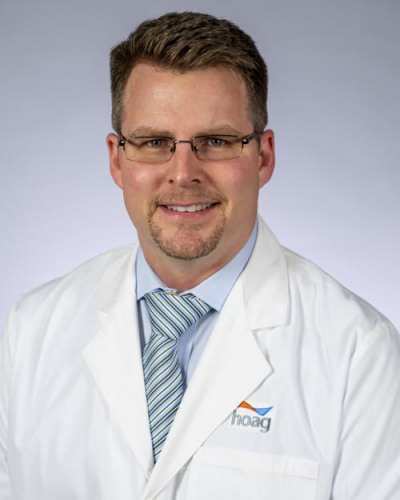
Benjamin & Carmela Du Endowed Chair in Urologic Oncology, Co-Medical Director, Urologic Oncology
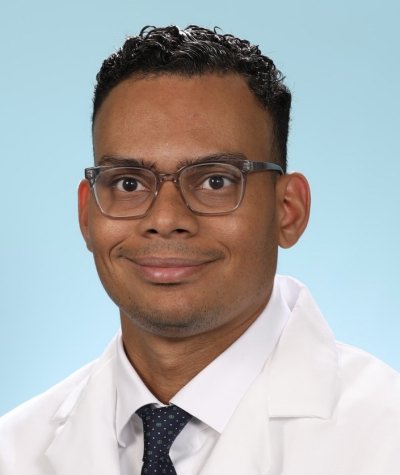
Urologic Oncology

Co-Medical Director, Urologic Oncology
Medical Oncology

Medical Oncology
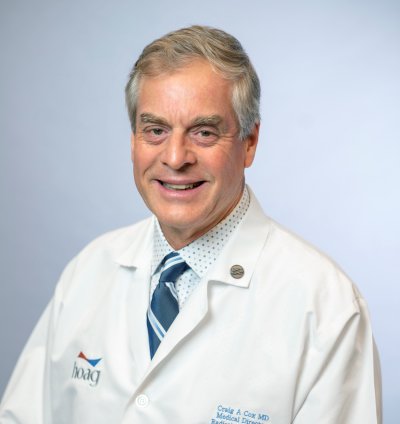
Medical Director, Radiation Oncology Program
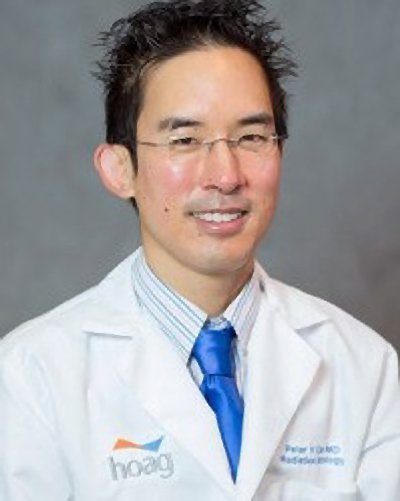
Radiation Oncology
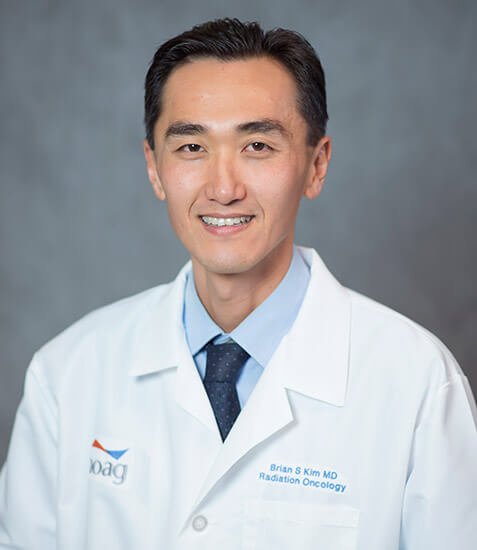
Radiation Oncology
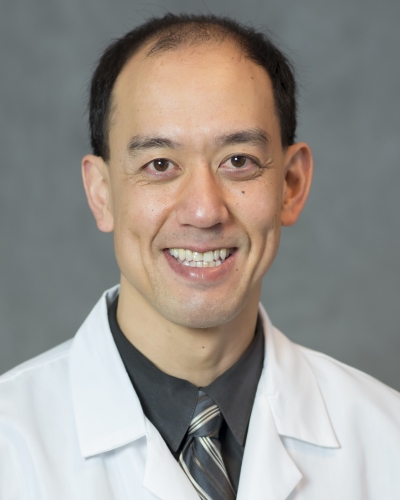
Radiation Oncology

Radiation Oncology
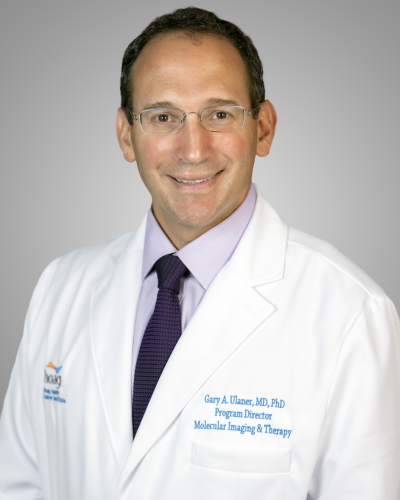
James & Pamela Muzzy Endowed Chair in Molecular Imaging and Therapy
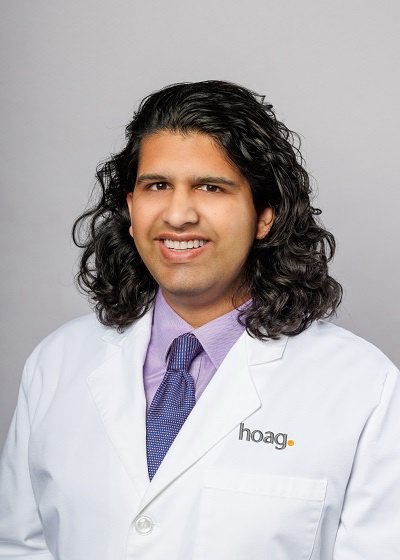
Diagnostic Radiology, Nuclear Medicine
Hoag Urology physicians are board-certified urologists who use the latest technologies and innovative techniques to treat urologic conditions, including erectile dysfunction (ED) and penile reconstructive surgery. For non-cancerous urological issues, Hoag Urology is the perfect place to start.
Hoag’s Precision Medicine Program combines genomics and genetics to diagnose, treat, and prevent diseases. Using the latest advances in genomic technologies, targeted therapies and research, our precision medicine program brings together a multidisciplinary team, including a robust genetic counseling group of experts, to provide patients with the latest in innovation and technology.
Hoag’s Molecular Imaging & Therapy (MIT) Program has been recognized as one of only 95 Radiopharmaceutical Therapy Centers of Excellence in the world. Through this program, Hoag is helping pioneer the most sensitive imaging methods to date to advance research and applications of molecular imaging and therapy in the treatment of cancer patients. These trials are expected to play a significant role in cancer detection, individualized treatment and drug development. The future of cancer detection and therapy is offered today at Hoag.
Hoag Family Cancer Institute provides a dedicated team of genetic counselors that offer hereditary cancer assessment, offering risk assessment and genetic cancer testing to those with a personal or family history of cancer.
Being diagnosed with cancer can feel overwhelming at times. Many patients and their families need help with coping and can benefit from supportive counseling. Oncology Clinical Social Workers are available to provide emotional and practical support during all stages of cancer including diagnosis, treatment and post-treatment survivorship.
Hoag Family Cancer Institute dietitians work closely with patients’ physicians, nurses, therapists, and social workers to ensure complete care.
Prostate cancer is cancer that occurs in the prostate, the small, walnut-sized gland in a man’s pelvic region that produces seminal fluid, a component of semen. It’s the most common type of cancer in males. According to the American Cancer Society, one-in-eight men will be diagnosed with prostate cancer during their lifetime.
In its early stages, prostate cancer can often present no symptoms. Other symptoms of prostate cancer may include:
Frequent daytime and nighttime urination
Difficulty urinating, or not being able to urinate with force
Pressure in the rectum
Erectile dysfunction
Blood in the urine
Blood in ejaculate
Unexpected weight loss
There are a number of factors that are believed to increase your risk of developing prostate cancer. These include:
Smoking
Age, as most patients with prostate cancer are older than age 50
A family history of prostate cancer, particularly in a father or brother
Hoag Family Cancer Institute offers a Hereditary Cancer Program to assess a person’s family history and any associated risk for cancer.
Your race, as black and Hispanic men have a significantly higher chance of developing prostate cancer, and a greater chance of more aggressive cancer.
Sedentary lifestyle
Ways to reduce your risk of developing prostate cancer may include:
Avoid being overweight by eating a healthy diet and getting regular exercise to avoid being overweight. Here at Hoag, we offer help with weight management to help reduce this risk and others that come with being overweight.
Don’t smoke
Get regular prostate cancer screenings, especially if you are at a higher risk due to your race, age or family history
By submitting this request, you agree to receive communications from Hoag and accept our Privacy Policy and Terms of Use.