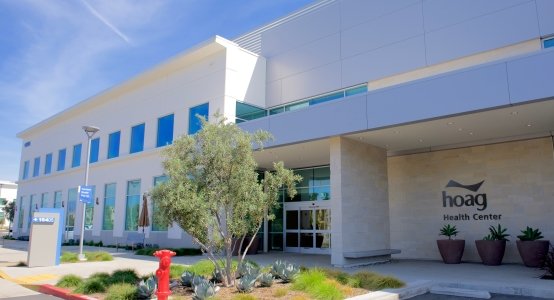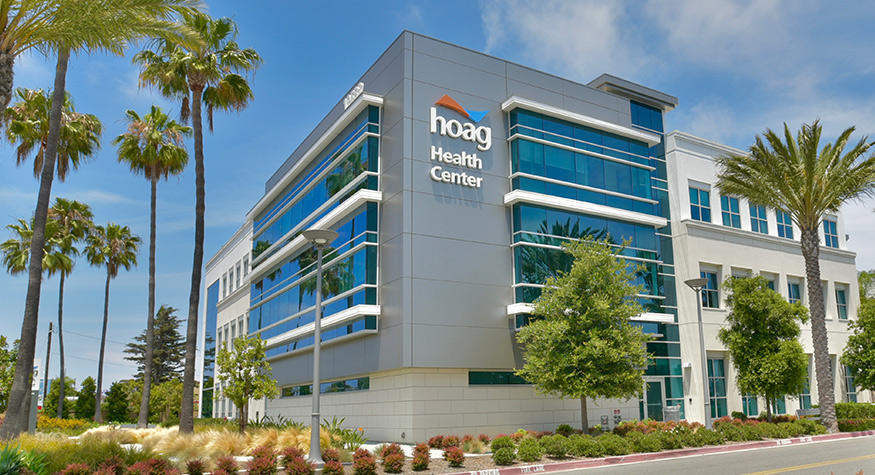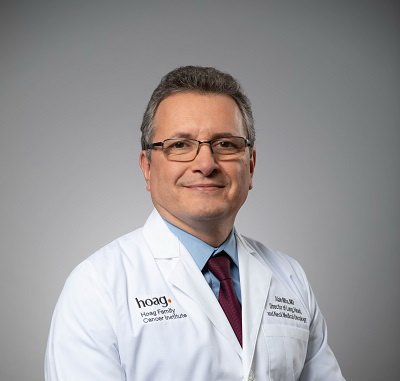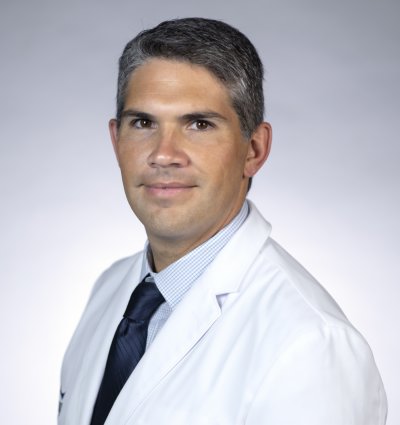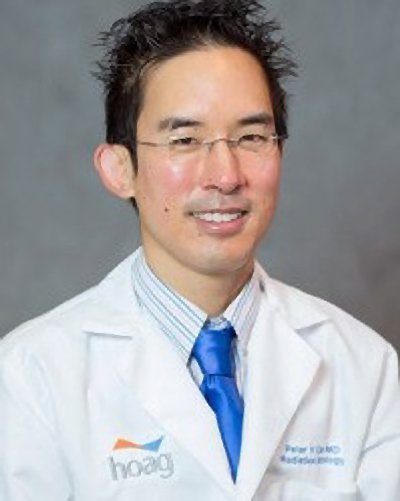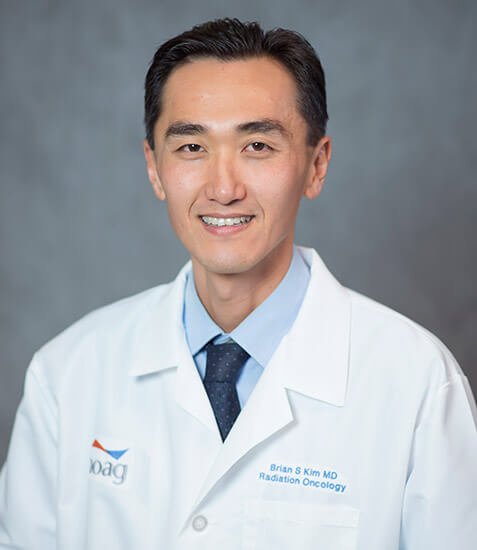



Hoag Memorial Hospital Presbyterian
1 Hoag Drive, Building #41
Newport Beach, CA 92663
949-722-6237
Hoag is the top choice for cancer care in Orange County, with cancer survival rates that continually exceed national averages. Our dedicated, world-class teams are wholly focused on helping you survive cancer, heal and move forward with your life.
Lung cancer is cancer that begins in the lungs, the main respiratory organs of the body. It can sometimes spread to other organs and lymph nodes. Today, lung cancer is the third most common cancer in the United States, according to the CDC.
The are two main types of lung cancer:
Small cell lung cancer (SCLC), includes two types that include many different types of cells. This type accounts for 15 percent of lung cancer cases. The cancer cells of each type grow and spread in different ways. The types of small cell lung cancer are named for the kinds of cells found in the cancer and how the cells look when viewed under a microscope:
Small Cell carcinoma (oat cell cancer)
Combined small cell carcinoma
Non-small cell lung cancer (NSCLC), which is the most common type of lung cancer, accounting for about 85 percent of lung cancer cases. Subtypes of NSCLC include adenocarcinoma, squamous cell carcinoma and large cell carcinoma
Several common cancers that begin elsewhere in the body can spread (or metastasize) to the lungs, including skin, breast, kidney and pancreas cancers.
The symptoms of lung cancer can be different for every patient, and vary based on how advanced the cancer is. Common symptoms can include:
Recurring bronchitis, pneumonia and other respiratory infections
Swollen lymph nodes in the chest
Chest pain
A constant or recurring cough
A raspy or hoarse speaking voice
Wheezing
Unexplained shortness of breath
In more advanced lung cancer cases, symptoms may include:
Unexplained fatigue, loss of appetite and weight loss
Coughing up blood, or mucus that’s reddish brown
Recurring headaches that can be severe
Moderate to severe aches in the bones and chest
Pleural effusion, a condition in which fluid accumulates in the chest cavity around the cancerous lung
There are several risk factors that are believed to increase your risk of developing lung cancers. These include:
Smoking and exposure to secondhand smoke, with most cases of lung cancer being due to tobacco use.
Exposure to radon, a colorless, odorless, naturally-occurring radioactive gas that can seep into and accumulate in homes and workplaces over time
Exposure to asbestos, a naturally occurring mineral that was once used extensively in residential and commercial insulation and is still found in many older buildings.
Previously having lung cancer
A family history of lung cancer
Previous radiation therapy to the chest
Ways to reduce your risk of developing lung cancer include:
Quit smoking and encourage smokers you might live with to not expose you and others to secondhand smoke. Hoag offers a smoking cessation class to support your efforts to quit smoking.
Avoiding radon, including having your home professionally checked. Almost every state in the U.S. has some level of radon. The top ten states with highest average radon concentrations are Alaska, South Dakota, Pennsylvania, Ohio, Washington, Kentucky, Montana, Idaho, Colorado and Iowa.
Avoiding asbestos, including wearing proper protective gear when working around known asbestos and having older buildings and homes checked for asbestos prior to beginning any demolition or renovation work.
Yes, early lung cancer screening is available at Hoag.
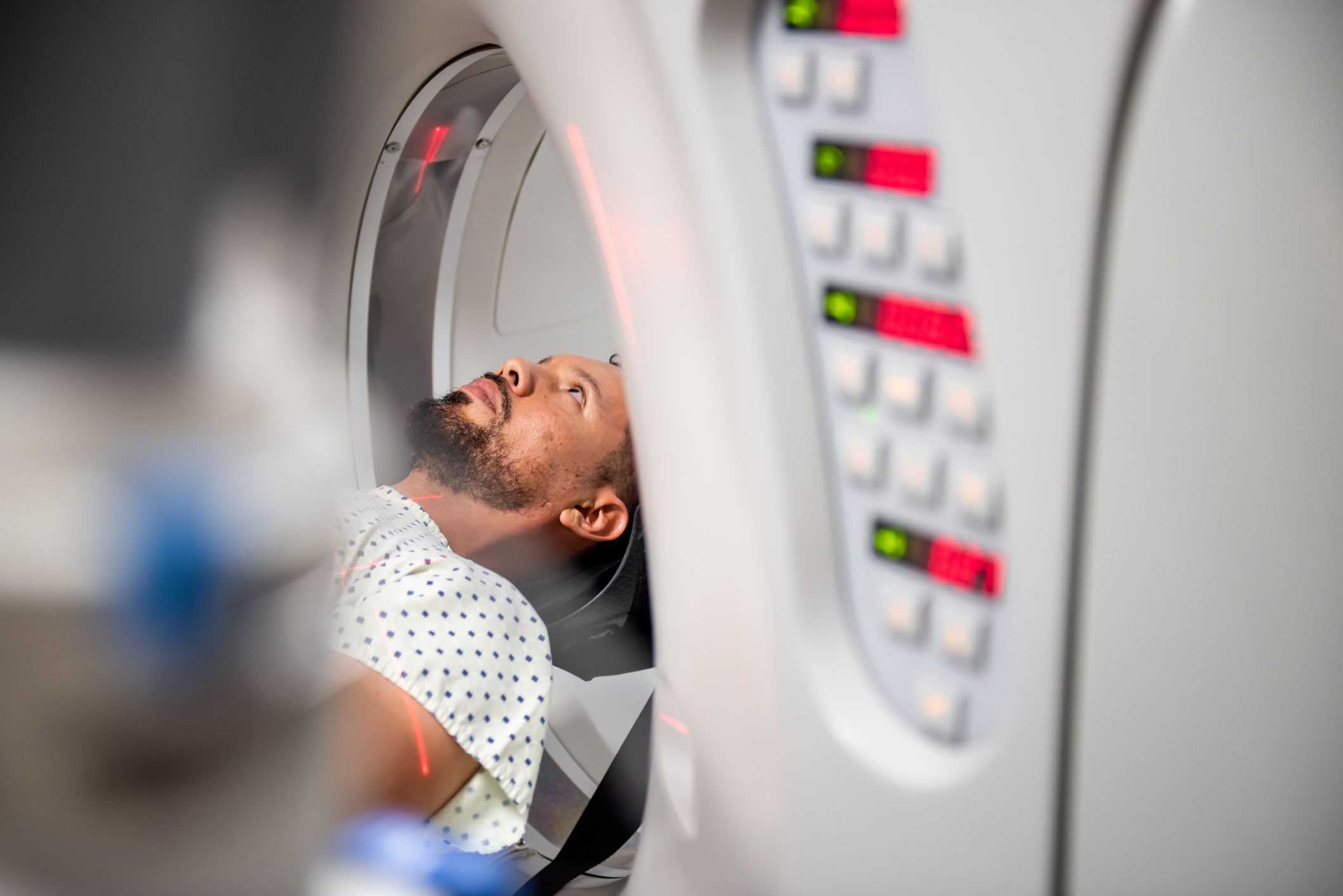
If you are concerned about lung cancer due to a long history of heavy smoking, Hoag’s Early Lung Cancer Screening Program might be right for you. This groundbreaking program catches lung cancer in high-risk patients earlier through annual, low-dose CT screenings for heavy smokers or former heavy smokers between 50-77 years of age. Some private insurance plans and Medicare pay for this vital preventative screening.