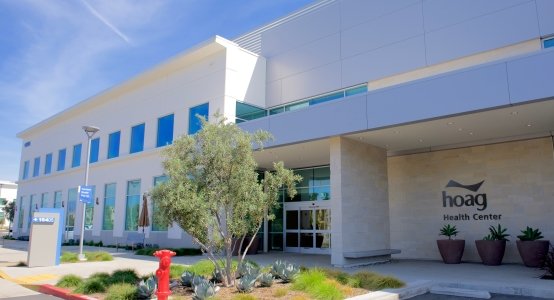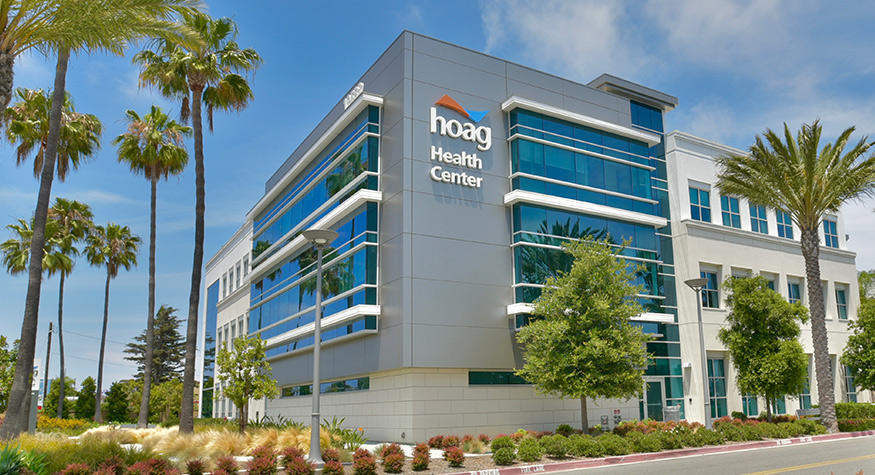



Hoag Memorial Hospital Presbyterian
1 Hoag Drive, Building #41
Newport Beach, CA 92663
949-722-6237
Chemotherapy/Systemic Therapy
Chemotherapy uses powerful drugs or chemicals to directly attack cancerous cells. Systemic Therapy is a non-surgical treatment option for cancer patients. Systemic therapy is when drugs are administered into a patient’s blood stream to stop or slow the growth of cancerous cells. Biological therapy, also referred to as “Immunotherapy” utilizes the body immune system to fight cancer cells.
Interventional Pulmonology
Interventional Pulmonology is a different approach to treating and managing lung cancer and other conditions of the respiratory system. While still a relatively new field, Interventional Pulmonology is dedicated to less-invasive methods of diagnosing, treating and managing lung cancer and its symptoms.
Stereotactic Body Radiation Therapy (SBRT)
Stereotactic Radiation Therapy (SRT) is an intermediate technique, with many of the characteristics of both Stereotactic Radiosurgery (SRS) and Image-Guided Intensity-Modulated Radiation Therapy (IG-IMRT). When applied outside of the brain, this technique is often called Stereotactic Body Radiation Therapy (SBRT).
Radiation Oncology
Hoag’s Radiation Oncology Program offers the widest range of radiation therapy options available, ensuring every treatment plan is precisely tailored to each patient.
Precision Medicine Program
Hoag’s Precision Medicine Program combines genomics and genetics to diagnose, treat, and prevent diseases. Using the latest advances in genomic technologies, targeted therapies and research, our precision medicine program brings together a multidisciplinary team, including a robust genetic counseling group of experts, to provide patients with the latest in innovation and technology.
Tumor Boards
Tumor boards* are a meeting of Hoag’s top experts in their respective subspecialties to determine the best approach for a patient’s individual cancer case.
Palliative Care
Palliative care is a specialty that focuses on improving the quality of life of individuals facing serious illness through medical management and emotional support.
Cancer Clinical Trials
Early development clinical trials (phase I and II) are novel drug therapies that examine new treatments that provide options beyond standard of care. During these trials, researchers are carefully examining the best way to administer the treatment, determine how much can be safely given, identify important potential side effects, as well as assess cancer response.
As the area’s highest-volume cancer center, Hoag Family Cancer Institute sees, diagnoses and treats more lung cancer patients than any other hospital in Orange County—including patients with rare subtypes and complex cases. That gives Hoag a deep well of experience, which can lead to more accurate staging, more personalized treatment plans, fuller recoveries and better outcomes. Hoag’s commitment to research and the latest treatment options have improved survival rates for patients treated at Hoag at every stage of lung cancer.
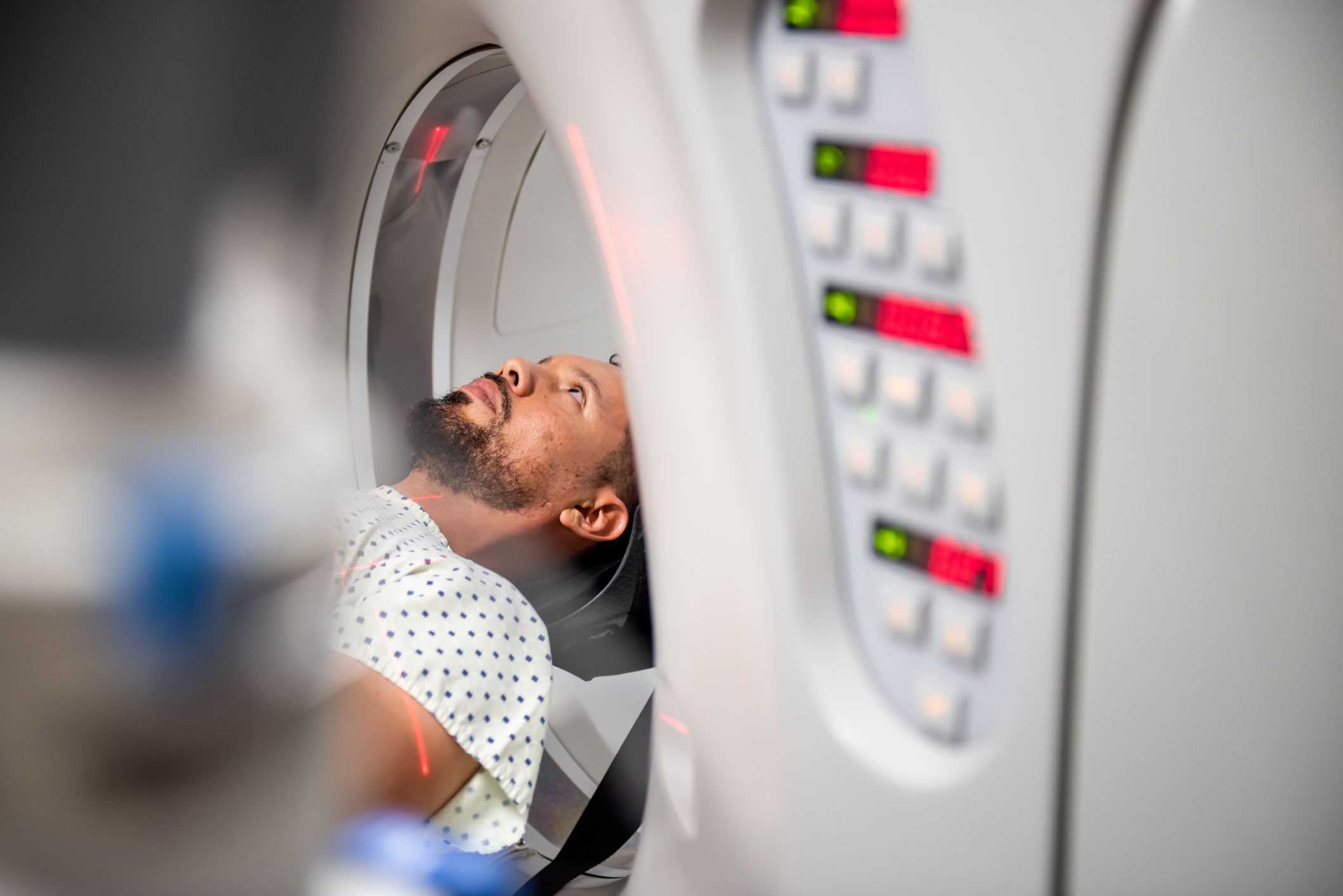
If you are concerned about lung cancer due to a long history of heavy smoking, Hoag’s Early Lung Cancer Screening Program might be right for you. This groundbreaking program catches lung cancer in high-risk patients earlier through annual, low-dose CT screenings for heavy smokers or former heavy smokers between 50-77 years of age. Some private insurance plans and Medicare pay for this vital preventative screening.
After discussing your symptoms and medical history with your doctor, you will likely be given a thorough medical exam, which may be followed by other tests and diagnostic procedures. At Hoag, this may include:
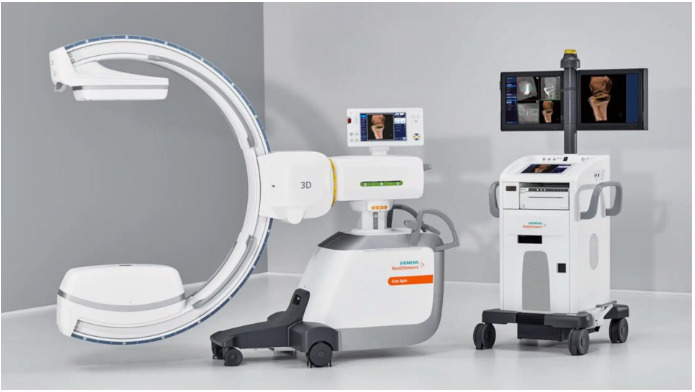
Cios Spin, a new imaging technology for diagnosing lung cancer earlier, more accurately and less invasively. Hoag is the first hospital in Orange County to offer this technology.
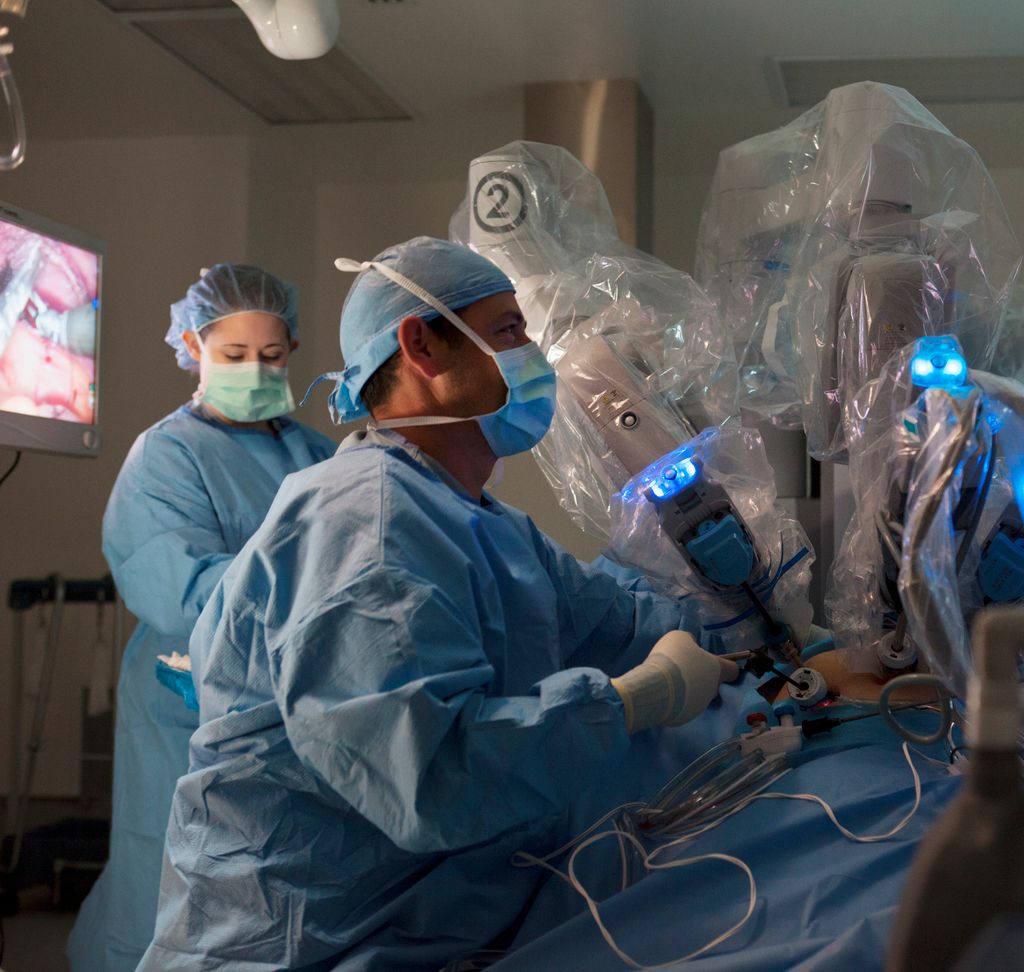
The Ion Robotic-Assisted Bronchoscopy Platform, a robot-enabled technique allowing for safe, minimally invasive collection of tissue samples for biopsy. Hoag is one of the few Interventional Pulmonology programs in the U.S. offering this technology.
Endobronchial Ultrasound (EBUS), a minimally invasive procedure used to obtain lymph node tissue samples for biopsy without conventional surgery.
Convex-Probe Endobronchial Ultrasound Bronchoscopy (CP-EBUS)
Radial-Probe Endobronchial Ultrasound Bronchoscopy (RP-EBUS)
Ion Navigational Bronchoscopy, a recent innovation that extends the conventional bronchoscope, providing doctors with better views of cancerous lesions deep in the lungs.
Cone-Beam Computed Tomography (CBCT) with 3D Fluoroscopy
Bone Scans
Mediastinoscopy
After diagnosis, your doctor will talk to you about your current symptoms, discuss treatment options and potentially refer you to a specialist for more tests or surgery. If you still smoke or use tobacco at the time of your diagnosis, quit immediately.
Treatment options for lung cancer depend on many factors, including how advanced the cancer is when detected, your age and any other health issues you may have. The treatments Hoag recommends for lung cancer vary from patient to patient, but may include:
Cell Therapy (Immunotherapy)
Systemic Therapies (chemotherapy & biotherapy)
Active Surveillance
Hoag is committed to leading the way in state-of-the-art technologies and advanced treatment options. Part of this commitment includes clinical research with the goal of helping patients live longer, healthier lives. Through carefully planned clinical trials, researchers evaluate the safety and effectiveness of new ways to diagnose, treat and prevent diseases or conditions. Treatments studied in clinical trials might be new drugs or new combinations of drugs, new surgical procedures or devices, or new ways to use existing treatments.