- About
- Diagnosis
- Treatment
- Clinical Trials & Research
- Meet the Team
Hoag is committed to complex gastroesophageal care, providing access to highly specialized diagnostic and treatment therapies, led by a team that works seamlessly together to provide excellent esophageal cancer care.
Concerned about your risk for cancer?
Explore our Cancer Prevention, High Risk & Early Detection Network for information regarding prevention, surveillance, screenings, assessments and more.
Groundbreaking Clinical Trials & Research
Hoag leads innovative clinical trials, including immunotherapy agents, all pushing for more advanced, effective care for esophageal cancer patients.
Supportive Resources
Hoag is the top choice for cancer care in Orange County, with cancer survival rates that continually exceed national averages. Our dedicated, world-class teams are wholly focused on helping you survive cancer, heal and move forward with your life.
What is Esophageal Cancer?

Types of Esophageal Cancer

Risk Factors for Esophageal Cancer

Expert Care You Can Trust

Begin Your Journey
1
Find the Right Provider
Get care from medical providers that fit your needs in a location near you.
Find a provider2
Explore Cancer Resources
Find information made to guide and support you on your journey.
See all resources3
Get in touch
Didn’t see what you’re looking for? Reach out and we’ll make sure you get what you need.
Contact usExpert Diagnosis is Key
Comprehensive evaluation with accurate diagnosis is the foundation for achieving highly successful outcomes. That’s why it’s important to seek care from a center that provides academic level care from a multidisciplinary, specialized team of gastroesophageal experts experienced in the accurate diagnosis and staging of esophageal cancer, as well as other complex gastroesophageal diseases.
Beginning with a thorough evaluation that includes a comprehensive physical exam, personal medical history review and state-of-the-art diagnostic workup, Hoag’s multidisciplinary team of board-certified, fellowship trained gastrointestinal experts carefully evaluate and pinpoint the nature of the cancer, so the most appropriate personalized treatment options can be employed.
Hoag’s state-of-the-art diagnostic technologies provide our team with the latest modalities in the accurate diagnosis of esophageal cancer and other disorders. Some of the progressive imaging studies that may be utilized include:
Barium swallow X-ray is an imaging study in which a liquid is swallowed that coats the lining of the esophagus. This makes the esophagus stand out on the X-ray so that physicians can identify certain problems, including cancers of the esophagus.
Endoscopy is a minimally invasive procedure that allows a physician to look inside the esophagus, stomach, and duodenum (part of the small intestine). During an upper endoscopy, a thin, lighted tube called an endoscope is carefully guided down the esophagus. The endoscope transmits a high definition image to a monitor, so the physician can view the lining of these organs. Many times, a sample of tissue is obtained during this procedure for biopsy.
Endoscopic Ultrasound (EUS) combines endoscopy and ultrasound in order to obtain images of the digestive tract and the surrounding tissue and organs. Often, EUS is used to obtain tissue samples used in biopsy and for staging cancers.
Positron Emission Tomography (PET) is used to identify malignant cells even before an actual lesion (lump) can be detected in a physical exam, or on a CT or MRI scan.
Computed Tomography (CT) utilizes state-of-the-art x-rays to help determine the extent of the cancer and whether it encompasses the surrounding organs.
Biopsy is the removal of a sample of tissue for testing. This procedure is performed to definitively diagnose esophageal cancer, and usually takes place via endoscopic ultrasound. It’s important to note that proper diagnosis and staging of esophageal cancer is critical to developing a successful treatment plan. That’s why it’s so important to seek proper evaluation and treatment from a healthcare expert experienced in the most advanced gastroesophageal cancer care.
EsoGuard is a first-in-the-nation, non-invasive esophageal DNA test that detects early cellular changes linked to esophageal disease—without the discomfort of traditional endoscopy. Ideal for individuals at higher risk, this innovative screening uses a swallowable capsule to collect cells for lab analysis, helping identify Barrett’s esophagus early and potentially reducing esophageal cancer risk by up to 90%.
Innovative Treatment for Esophageal Cancer
When it comes to esophageal cancer and other gastrointestinal diseases, Hoag Family Cancer Institute and Hoag Digestive Health Institute team up to provide a full array of progressive treatment options. As a recognized leader and high-volume provider of innovative gastroesophageal care, Hoag’s multidisciplinary team of digestive disease experts performs some of the most advanced gastroesophageal procedures available in the nation with clinical outcomes that rival national figures.
Expert Care You Can Trust
Hoag continues to lead the way in complex gastroesophageal care, providing access to a highly specialized surgical team that works collaboratively with Hoag-affiliated thoracic surgeons, gastroenterologists and medical oncology specialists to provide academic-level care. Hoag’s committed to accurate diagnosis, combined with progressive therapeutic options enables Hoag patients to achieve some of the highest clinical outcomes in the nation.
To schedule a comprehensive diagnostic evaluation, or a second-opinion consultation with a Hoag gastroesophageal expert, call us at (888) 566-9712.
Esophageal Cancer Treatments
Chemotherapy/Systemic Therapy
Chemotherapy uses powerful drugs or chemicals to directly attack cancerous cells. Systemic Therapy is a non-surgical treatment option for cancer patients. Systemic therapy is when drugs are administered into a patient’s blood stream to stop or slow the growth of cancerous cells. Biological therapy, also referred to as “Immunotherapy” utilizes the body immune system to fight cancer cells.
da Vinci® Robotic Surgery
The da Vinci® SP1 Surgical System is an innovative robotic platform that allows surgeons to perform complex surgeries through a single incision.
Radiation Oncology
Hoag’s Radiation Oncology Program offers the widest range of radiation therapy options available, ensuring every treatment plan is precisely tailored to each patient.
Stereotactic Body Radiation Therapy (SBRT)
Stereotactic Radiation Therapy (SRT) is an intermediate technique, with many of the characteristics of both Stereotactic Radiosurgery (SRS) and Image-Guided Intensity-Modulated Radiation Therapy (IG-IMRT). When applied outside of the brain, this technique is often called Stereotactic Body Radiation Therapy (SBRT).
Precision Medicine Program
Hoag’s Precision Medicine Program combines genomics and genetics to diagnose, treat, and prevent diseases. Using the latest advances in genomic technologies, targeted therapies and research, our precision medicine program brings together a multidisciplinary team, including a robust genetic counseling group of experts, to provide patients with the latest in innovation and technology.
Tumor Boards
Tumor boards* are a meeting of Hoag’s top experts in their respective subspecialties to determine the best approach for a patient’s individual cancer case.
Palliative Care
Palliative care is a specialty that focuses on improving the quality of life of individuals facing serious illness through medical management and emotional support.
Innovative Treatment Options Tailored to Each Patient
When it comes to esophageal cancer and other gastroesophageal conditions, expert evaluation is vital to accurately diagnose esophageal cancer and then determine the best course of treatment for the individual patient.
At Hoag, our multidisciplinary team of gastroesophageal experts works together to thoroughly review and determine the best treatment option suited to each individual patient. The Hoag team then carefully tailors a personalized treatment plan to effectively achieve the best possible outcome for the patient. This emphasis on a collaborative, comprehensive approach to patient-centered care is why Hoag patient outcomes rank are among the nation’s best.
Once esophageal cancer is diagnosed, important staging tests are performed to determine if the cancer has spread, and if so, to what extent. The type of treatment recommended depends upon the stage of the cancer and may include options such as:
Surgical:
Minimally Invasive Transhiatal Esophagectomy
Minimally Invasive Vagal Sparing Esophagectomy
En Bloc Esophagectomy
Non-Surgical:
Endoscopic Mucosal Resection and Ablation Procedures
Chemotherapy
Radiation Therapy
Surgery
The most recommended treatment for esophageal cancer is complete surgical resection of the esophagus, which is called an esophagectomy. However, in some cases, other more conservative surgical approaches are employed with the goal of preserving as much healthy esophageal tissue as possible. At Hoag, our academic-level team of esophageal experts carefully tailors the treatment plan to the unique needs of each individual patient.
Some of the advanced surgical options for treating esophageal cancer at the Hoag-USC Surgical Center for Digestive Diseases include:
Minimally-Invasive Transhiatal Esophagectomy
A transhiatal esophagectomy involves removing the esophagus and surrounding lymph nodes completely from the abdomen and reconstructing it using the gastric tube, which is connected to healthy esophagus in the neck. For this procedure, a chest incision is not required. In addition, the esophageal experts at Hoag perform this procedure laparoscopically in most patients.
Minimally-Invasive Vagal Sparing Esophagectomy
A vagal sparing esophagectomy involves stripping out the lining of the esophagus and leaving behind the muscular tube. It differs from other esophageal surgery because it preserves the vagus nerves. These nerves are important for normal stomach function, as these nerves allow the stomach to empty properly. For this procedure, a chest incision is not required. In addition, the esophageal experts at Hoag perform this procedure laparoscopically in most patients. This option is most often recommended for patients with benign disease, or those with early-stage cancer of the esophagus.
En Bloc Esophagectomy
The most aggressive treatment of esophageal cancer is the en bloc esophagectomy. The philosophy behind this operation is to not only remove the esophagus, but also to remove as much of the lymph node tissue surrounding the esophagus as possible, in order to remove all potential regional sites of tumor spread and thereby maximize the chances of cure. This is a highly complex procedure that requires the expertise of a highly experienced surgical team, as this procedure requires opening the neck, chest and abdomen, in order to reconstruct the esophagus using part of the stomach.
It’s important to note that esophagectomy is a highly complex operation that should only be done at centers with high volume and experience.
When it comes to advanced surgical care, the Hoag team performs more complex esophageal surgeries than any other surgical program in Southern California including state-of-the-art minimally-invasive procedures that may not be available at most centers. Being a high-volume esophageal cancer surgical program enables the gastrointestinal experts at Hoag to achieve a technical skill level not all facilities can match.
Non-Surgical Options
Hoag provides a full array of innovative non-surgical treatment options, including:
Endoscopic Mucosal Resection (EMR) and Ablation Procedures
For very early cancers that are limited to the superficial layer of the esophagus, endoscopic technology has emerged to treat the cancer and preserve the esophagus. This includes the use of endoscopic mucosal resection (EMR) and endoscopic mucosal ablation procedures such as Barrx ablation, which utilizes high frequency radio wave energy to destroy abnormal tissue.
Unlike an esophagectomy, which removes the entire affected area, EMR, ablation and other similar procedures only remove a small cancer, or locally high-grade area of abnormal cells, such as occur with Barrett’s esophagus or early intramucosal cancer. Once successfully treated, patients often require an antireflux operation to protect the esophagus from ongoing injury from reflux.
Chemotherapy
Chemotherapy is the use of drugs to kill cancer cells. The drugs enter the bloodstream and travel through the body killing mostly cancer cells, but also some healthy cells. Chemotherapy may be used after surgery (often along with radiation therapy) to try to lower the risk of cancer recurrence. Or it may be used before surgery for borderline resectable cancers to try to improve the odds that surgery will be successful. In addition, chemotherapy may be used (with or without radiation therapy) for more advanced cancers, or in cases of metastatic disease.
Radiation Therapy
Radiation therapy uses radiation to kill cancer cells and shrink tumors. Radiation therapy may be used after surgery (often along with chemotherapy) to try to lower the risk of cancer recurrence. Or it may be used in select cases to help control metastases that are too large to be treated effectively with surgery alone, or in cases where surgery is not possible. As a nationally recognized leader in state-of-the-art radiation therapies, Hoag’s Radiation Oncology Program is yet another example of the institute’s commitment to excellence in innovative cancer treatment.
The Most Advanced Treatment Options Are Now Available in Orange County
When it comes to seeking out the most advanced academic-level gastroesophageal care, there is no longer any need to travel long distances. Hoag offers the latest in state-of-the-art diagnosis and leading-edge treatment options that may not be readily available at other centers, including participation in clinical trials that helps to bring advanced gastroesophageal care to even more patients.
Perhaps the most distinguishing aspect of Hoag’s advanced treatment of gastroesophageal conditions is that in each and every case, treatment is always specifically tailored to the meet the unique needs of the individual patient.
Expert Care You Can Trust
Hoag continues to lead the way in complex gastroesophageal care, providing access to a highly specialized surgical team that works collaboratively with Hoag-affiliated thoracic surgeons, gastroenterologists and medical oncology specialists to provide academic-level care. Hoag’s committed to accurate diagnosis, combined with progressive therapeutic options enables Hoag patients to achieve some of the highest clinical outcomes in the nation.
To schedule a comprehensive diagnostic evaluation, or a second-opinion consultation with a Hoag gastroesophageal expert, call us at (888) 566-9712.
Clinical Trials & Research
Hoag leads innovative clinical trials, including immunotherapy agents, all pushing for more advanced, effective care for esophageal cancer patients.
Click here to learn more on clinical trials for esophageal cancer.
Meet Hoag's Esophageal Cancer Team
Esophageal Cancer Surgeons

Matthew D. Stanley, MD
Thoracic Surgery

Katherine S. Blevins, MD
Foregut Surgery, Bariatric and General Surgery
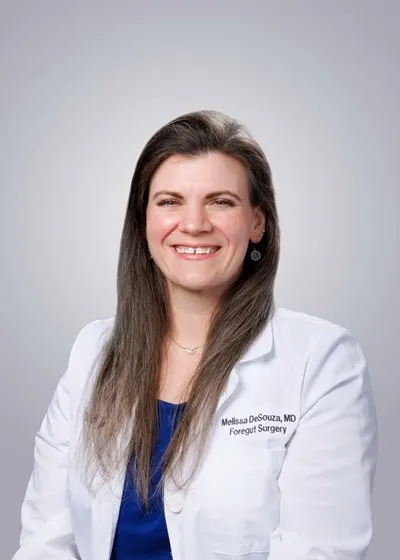
Melissa L. DeSouza, MD
Foregut Surgery, Bariatric and General Surgery
Esophageal Cancer Medical Oncologists

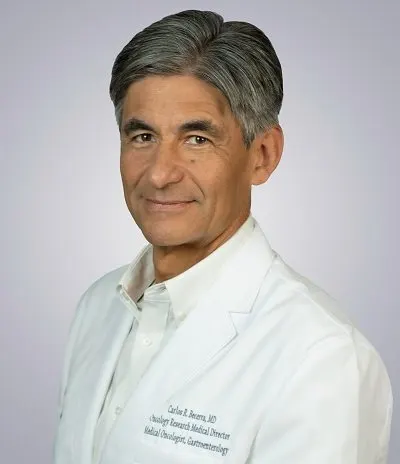
Carlos R. Becerra, MD
Margaret Givan Larkin Endowed Chair in Developmental Cancer Therapeutics

Tara E. Seery, MD
Medical Director, Hepatobiliary Cancer
Radiation Oncologists

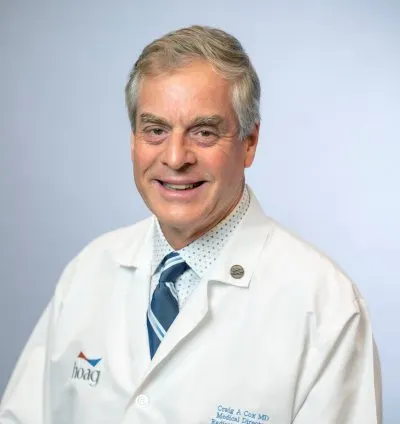
Craig A. Cox, MD
Medical Director, Radiation Oncology Program

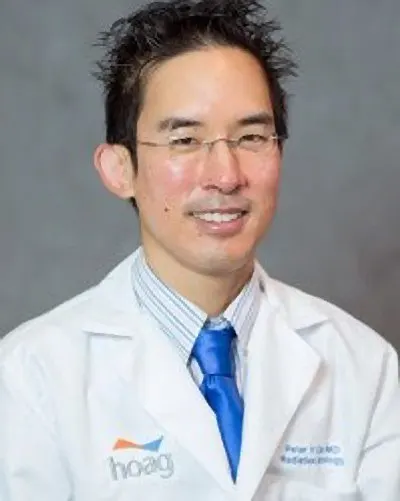
Peter V. Chen, MD
Radiation Oncology

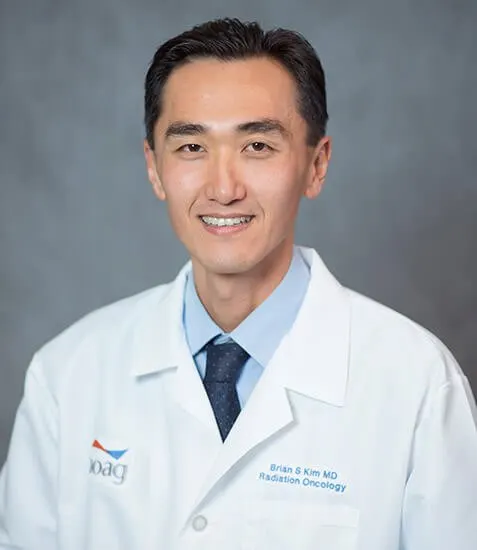
Brian S. Kim, MD
Radiation Oncology

Kevin Lin, MD
Radiation Oncology

Shane A. Lloyd, MD
Radiation Oncology
Advanced Endoscopists

Kenneth J. Chang, MD
James & Pamela Muzzy Executive Medical Director Endowed Chair in GI Cancer, Digestive Health Institute, Gastroenterology

Paul J. Korc, MD
Medical Director Hoag GI Lab, Gastroenterology

Phuong T. Nguyen, MD
Medical Director of Hoag Advanced Endoscopy Center, Gastroenterology

Jennifer Phan, MD
Medical Director, Hoag Irvine Advanced Endoscopy, Director of Bariatric Endoscopy, Gastroenterology

Ravi J. Kankotia, MD
Gastroenterology
Pathology

David R. Braxton, MD
Medical Director, Hoag Molecular Pathology
Esophageal Cancer Nurse Navigator

Diane Eadie, RN, BSN
Clinical Nurse Navigator
Hoag's Precision Medicine Program
Hoag’s Precision Medicine Program combines genomics and genetics to diagnose, treat, and prevent diseases. Using the latest advances in genomic technologies, targeted therapies and research, our precision medicine program brings together a multidisciplinary team, including a robust genetic counseling group of experts, to provide patients with the latest in innovation and technology.
Hoag Family Cancer Institute Social Workers
Being diagnosed with cancer can feel overwhelming at times. Many patients and their families need help with coping and can benefit from supportive counseling. Oncology Clinical Social Workers are available to provide emotional and practical support during all stages of cancer including diagnosis, treatment and post-treatment survivorship.
Hoag Family Cancer Institute Dietitians
Hoag Family Cancer Institute dietitians work closely with patients’ physicians, nurses, therapists, and social workers to ensure complete care.
Stay up-to-date on the latest news from Hoag
By submitting this request, you agree to receive communications from Hoag and accept our Privacy Policy and Terms of Use.