Hoag Memorial Hospital Presbyterian
1 Hoag Drive, Building #41
Newport Beach, CA 92663
949-722-6237
We help you determine if the cancer in your family is sporadic, familial or hereditary. This can provide you with the information you need to create a plan for early detection and/or reducing the risk of developing cancer for you or others in your family.
Hoag leads innovative clinical trials, including immunotherapy agents, all pushing for more advanced, effective care for colorectal cancer patients.
Hoag’s integrated care network will support you every step of the way through an individualized treatment plan, designed by experts who specialize in your specific type and stage of cancer.



1 Hoag Drive, Building #41
Newport Beach, CA 92663
949-722-6237

16105 Sand Canyon Ave.
Irvine, CA 92618
(949) 722-6237

1 Hoag Drive, Building #47
Newport Beach, CA 92663
949-764-1880
19582 Beach Blvd., #219
Huntington Beach, CA 92648
714-477-8130
Get care from medical providers that fit your needs in a location near you.
Find a providerFind information made to guide and support you on your journey.
See all resourcesDidn’t see what you’re looking for? Reach out and we’ll make sure you get what you need.
Contact usNearly all colon cancers begin as benign polyps that slowly develop into cancer. In many cases, colorectal cancer symptoms do not appear until the tumor is large. That is why screening colonoscopy is so critical in detecting polyps before they have turned into cancer. The symptoms of colorectal cancer include:
Pain and tenderness in the abdomen
Diarrhea, constipation or changes in bowel movements
Blood in the stool, or narrow stools
Weight loss for unknown reasons Download this helpful screening guide for Colorectal Cancer and other prevalent cancer screenings.
Research has shown that some risk factors are present for developing colorectal cancer. These colorectal cancer risk factors include:
Age – More than 90 percent of people with this disease are diagnosed after age 50. The average age of diagnosis is mid 60’s.
Colorectal polyps – Most polyps are benign, but some can be cancerous. Consistently finding and removing polyps can reduce the risk of colorectal cancer. Oftentimes, polyps are what become cancer.
A family history – individuals who have close relatives with a history of colorectal cancer are more likely to develop the disease themselves.
Behavioral risk factors – Including tobacco and alcohol, physical inactivity and obesity
As mentioned above, a risk for colorectal cancer could be family history. About 10% of colon cancer cases are due to an inherited genetic susceptibility. Hereditary colon cancer can be divided into two broad categories: polyposis (many polyps) and nonpolyposis syndromes (few or no polyps). Familial adenomatous polyposis (FAP) and MYH-associated polyposis (MAP) are the most prevalent of the former category, and Lynch syndrome (LS) is the most common of the latter. Features of hereditary colon cancer susceptibility in a family include one or more of the following: individuals with multiple colorectal polyps, multiple relatives on the same side of the family with colon or other LS-related cancers (rectal, uterine, ovarian, renal, or other gastrointestinal cancers), individuals with more than one primary tumor, and colon cancer diagnosed under age 50.
Colorectal cancer can be avoided if routine proper screening takes place. Hoag Family Cancer Institute recommends routine screening colonoscopies for men and women beginning at age 50, with subsequent intervals for retesting as determined by a physician.
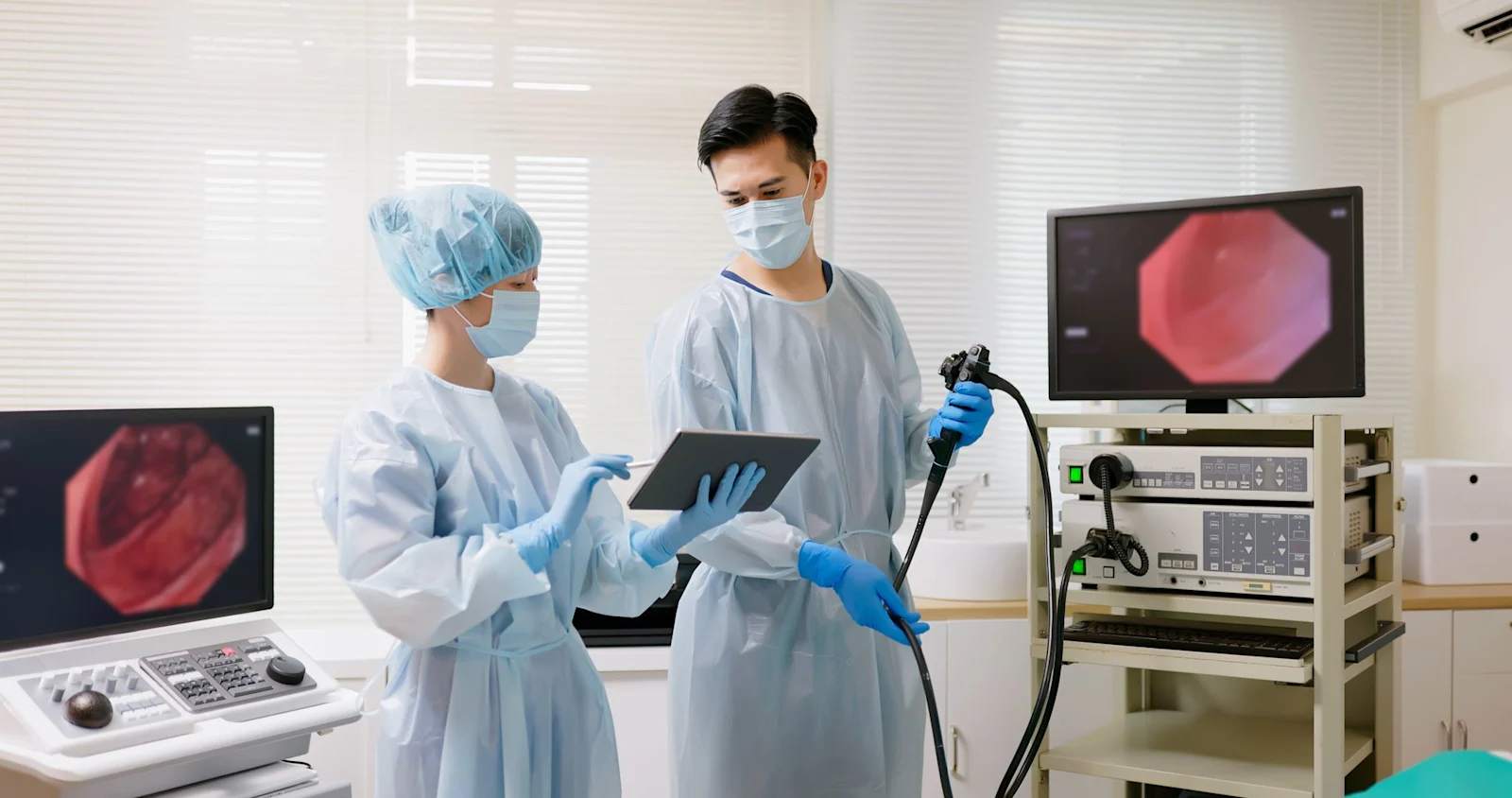
The gold standard in colorectal cancer screening is colonoscopy. A traditional screening colonoscopy is a short outpatient procedure that uses a flexible endoscope to travel through the colon to most accurately visualize abnormalities or polyps, and look for early signs of colorectal cancer. During the procedure, suspicious polyps can be removed, substantially reducing the risk of colorectal cancer over a patient’s lifetime.
While there are other screening options, such as a virtual screening colonoscopy – which utilizes CT scanning to detect polyps – non are superior to a conventional colonoscopy. Individuals receive a virtual colonoscopy for special circumstances, such as being too sick or weak for the more invasive conventional colonoscopy or being on blood thinners. However, if during a virtual colonoscopy a polyp or suspicious mass is detected, that individual will still need to go through a conventional colonoscopy to remove the polyp.
A conventional screening colonoscopy also acts as a means of colorectal cancer diagnosis. The polyps removed during a screening colonoscopy are biopsied to ensure that there are no signs of precancerous or cancerous changes.
Chemotherapy/Systemic Therapy
Chemotherapy uses powerful drugs or chemicals to directly attack cancerous cells. Systemic Therapy is a non-surgical treatment option for cancer patients. Systemic therapy is when drugs are administered into a patient’s blood stream to stop or slow the growth of cancerous cells. Biological therapy, also referred to as “Immunotherapy” utilizes the body immune system to fight cancer cells.
da Vinci® Robotic Surgery
The da Vinci® SP1 Surgical System is an innovative robotic platform that allows surgeons to perform complex surgeries through a single incision.
Precision Medicine Program
Hoag’s Precision Medicine Program combines genomics and genetics to diagnose, treat, and prevent diseases. Using the latest advances in genomic technologies, targeted therapies and research, our precision medicine program brings together a multidisciplinary team, including a robust genetic counseling group of experts, to provide patients with the latest in innovation and technology.
Radiation Oncology
Hoag’s Radiation Oncology Program offers the widest range of radiation therapy options available, ensuring every treatment plan is precisely tailored to each patient.
Stereotactic Body Radiation Therapy (SBRT)
Stereotactic Radiation Therapy (SRT) is an intermediate technique, with many of the characteristics of both Stereotactic Radiosurgery (SRS) and Image-Guided Intensity-Modulated Radiation Therapy (IG-IMRT). When applied outside of the brain, this technique is often called Stereotactic Body Radiation Therapy (SBRT).
Tumor Boards
Tumor boards* are a meeting of Hoag’s top experts in their respective subspecialties to determine the best approach for a patient’s individual cancer case.
Palliative Care
Palliative care is a specialty that focuses on improving the quality of life of individuals facing serious illness through medical management and emotional support.
Hoag Family Cancer Institute offers a variety of innovative and progressive treatment options to colorectal cancer patients. Our goal is to tailor treatment plans to each individual, to accurately and effectively treat your disease. Hoag’s colorectal cancer experts specialize in surgical and radiation therapies for colorectal cancer.
If colon cancer is detected during a colonoscopy, additional tests will be performed to determine if the cancer has spread. CT or PETscans may be utilized to help stage the cancer, and help determine the treatment path.
Surgery is the main treatment option for colon cancer. During surgery, the section of the colon that contains the cancerous tumor along with the adjacent lymph nodes will be removed,. Hoag’s skilled surgeons utilize two minimally invasive techniques for colon cancer surgery. These include:
Laparoscopic surgery
Robotic-assisted surgery
Both are excellent, effective surgical techniques for safely removing cancer cells. The surgical technique will be selected depending on the patient, their stage of cancer and location.
Once the cancer is surgically removed from the colon, a pathology report will determine if other treatment options are needed, such as chemotherapy. This is called adjuvant therapy – a secondary therapy that follows the primary treatment to improve results.
If rectal cancer is detected during a screening colonoscopy, additional tests may be completed to determine if the cancer has spread outside the rectum. Utilizing CT, PET, or MRI imaging, your physician can determine the best treatment path for your rectal cancer.
Rectal cancer is traditionally treated using a mix of therapies – surgery, radiation therapy and chemotherapy. Due to the location of the rectum, treatment often begins with less invasive options such as radiation therapy and chemotherapy to shrink the size of the tumor and allow for preservation of the anal sphincter. This treatment before surgery is referred to as neoadjuvant therapy. A skilled Hoag surgeon will then surgically remove the remaining concerning areas of the rectal cancer.
Hoag’s skilled surgical team offers minimally invasive treatment options for rectal cancer, including:
Laparoscopic surgery
Robotic-assisted surgery

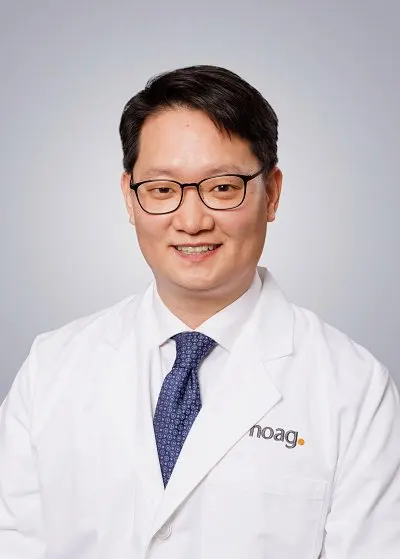
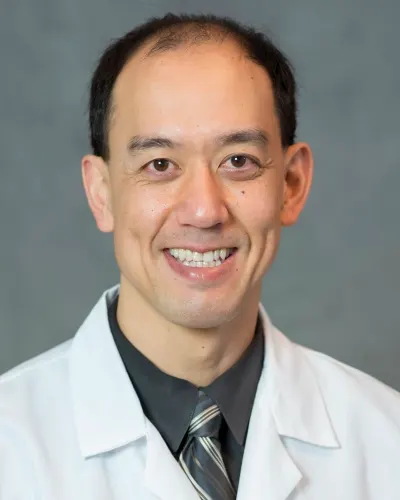
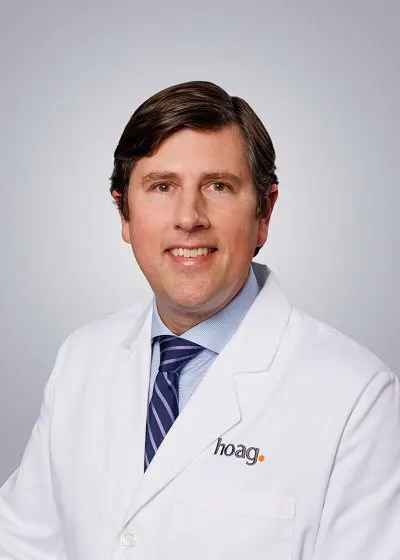
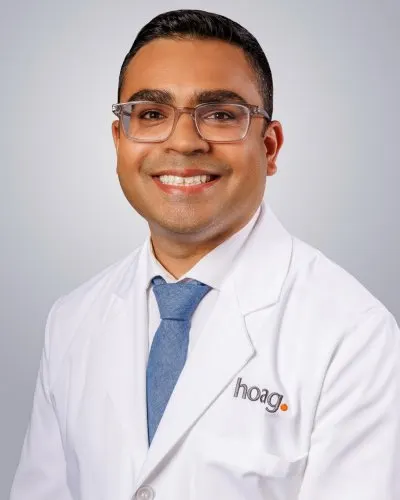
Colorectal Surgeon

Colorectal Surgeon

Program Director, Colorectal Cancer Surgery

Surgical Director, Margolis Family Inflammatory Bowel Disease Program, Colorectal Surgery

Margaret Givan Larkin Endowed Chair in Developmental Cancer Therapeutics

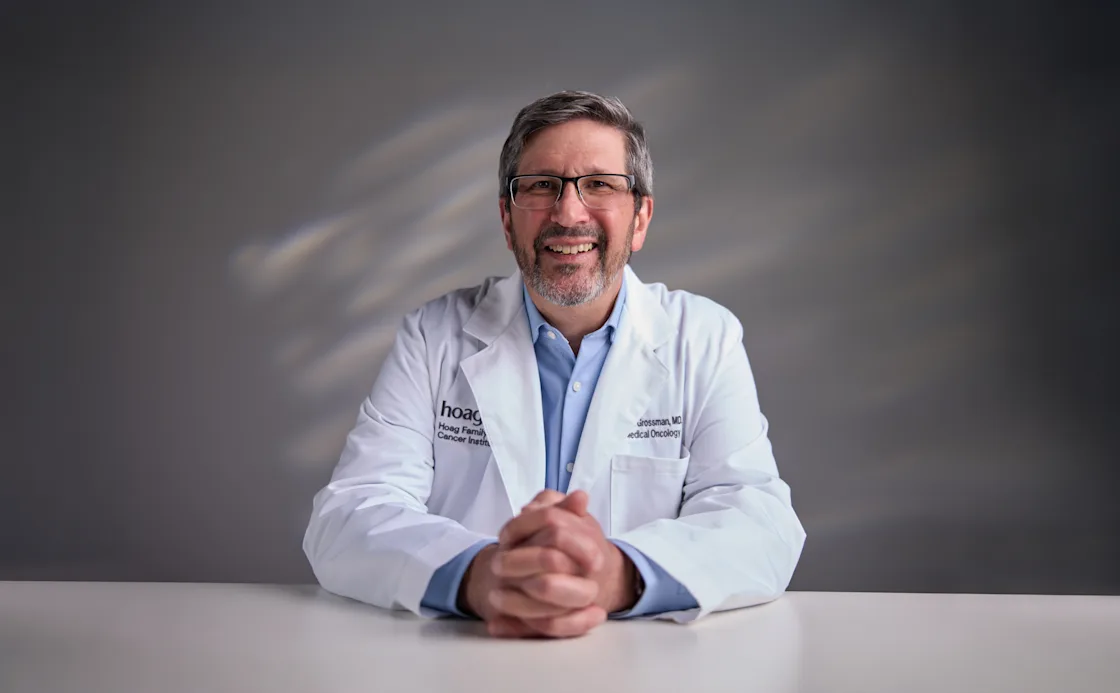
Medical Director, Hepatobiliary Cancer

Medical Director, Radiation Oncology Program

Radiation Oncology

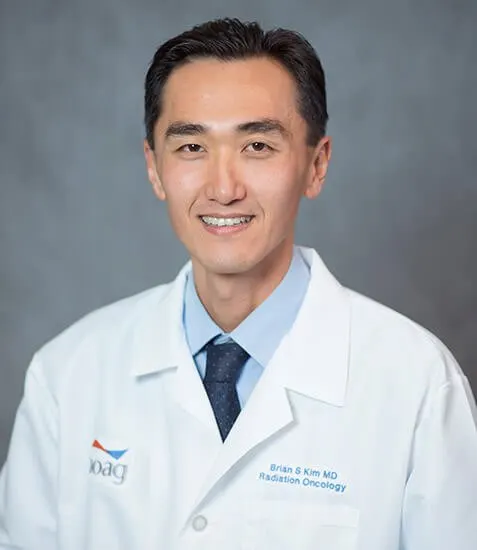
Radiation Oncology

Radiation Oncology

Radiation Oncology

James & Pamela Muzzy Executive Medical Director Endowed Chair in GI Cancer, Digestive Health Institute, Gastroenterology

Medical Director Hoag GI Lab, Gastroenterology

Medical Director of Hoag Advanced Endoscopy Center, Gastroenterology

Medical Director, Hoag Irvine Advanced Endoscopy, Director of Bariatric Endoscopy, Gastroenterology

Gastroenterology

Medical Director, Hoag Molecular Pathology

Clinical Nurse Navigator
Hoag’s Precision Medicine Program combines genomics and genetics to diagnose, treat, and prevent diseases. Using the latest advances in genomic technologies, targeted therapies and research, our precision medicine program brings together a multidisciplinary team, including a robust genetic counseling group of experts, to provide patients with the latest in innovation and technology.
Hoag Family Cancer Institute provides a dedicated team of genetic counselors that offer hereditary cancer assessment, offering risk assessment and genetic cancer testing to those with a personal or family history of cancer.
Being diagnosed with cancer can feel overwhelming at times. Many patients and their families need help with coping and can benefit from supportive counseling. Oncology Clinical Social Workers are available to provide emotional and practical support during all stages of cancer including diagnosis, treatment and post-treatment survivorship.
Hoag Family Cancer Institute dietitians work closely with patients’ physicians, nurses, therapists, and social workers to ensure complete care.
Cancer Support Services offers a variety of classes to support and educate patients during and after cancer. These classes and workshops are all free of charge:
Gastrointestinal Cancer Support Group – Designed to meet the educational and emotional needs of gastrointestinal cancer patients and their families. The group meets the fourth Thursday of each month from 2-3:30 p.m. in the Hoag Cancer Center Conference Room A.
One-On-One Counseling with an oncology social worker
Fitter Image Exercise Programs, including yoga, pilates and energizing cardio and toning
Workshops for Well-Being, including free flow writing, meditation, reiki and creative art classes
CARES Program – For patients experiencing high pain or symptom burden during treatment, the Hoag CARES Team can help. Board-certified Palliative Care physicians, nurses and social workers are available to help manage physical and emotional symptoms alongside your cancer care team.
Oncology Dietitians – Hoag Family Cancer Institute provides two dedicated Registered Dietitians who are available to advise patients on nutrition and provide resources for a healthier diet before, during and after cancer treatment.
Hereditary Cancer Program – Hoag offers both genetic counseling and genetic testing for individuals concerned about hereditary cancer.
Spiritual Care – provides spiritual support & counseling services to patients, families, and the community.
By submitting this request, you agree to receive communications from Hoag and accept our Privacy Policy and Terms of Use.