
Hoag Memorial Hospital Presbyterian
1 Hoag Drive, Building #41
Newport Beach, CA 92663
949-722-6237
Bladder cancer is cancer that occurs in the bladder, the muscular organ that stores urine. The most common type of bladder cancer is urothelial carcinoma, which is a cancer that develops in the cells that line the inside of the bladder. Read more about urothelial carcinoma here.
Rarer types of bladder cancer include:
Adenocarcinoma
Small-cell carcinoma
Squamous cell carcinoma
Sarcoma
The symptoms of bladder cancer can be different for every patient, but the most common symptoms include:
Blood in the urine
Pain or burning during urination
The frequent urge to urinate
Feeling like you need to urinate but being unable to
Pain in the lower back
There are a number of factors that are believed to increase your risk of developing bladder cancers. These include:
Smoking
A family history of bladder cancers
Hoag Family Cancer Institute offers a Hereditary Cancer Program to assess a person’s family history and any associated risk for cancer.
Being older, as most patients with bladder cancer are older than age 55
Being a man, because bladder cancer happens more often in men than women
On the job exposure to certain chemicals, including arsenic and certain chemicals used in making leather, rubber, dyes and paint.
Previous cancer treatments that included radiation to the pelvis or the drug cyclophosphamide.
Ways to reduce your risk of developing bladder cancer may include:
Eat a diet high in antioxidants
Use proper protective equipment, including a correctly-rated respirator and gloves, when using chemicals that might increase your risk of bladder cancer
Don’t smoke
Hoag is the top choice for cancer care in Orange County, with cancer survival rates that continually exceed national averages. Our dedicated, world-class teams are wholly focused on helping you survive cancer, heal and move forward with your life.
We’re here for the things you can’t plan for. Hoag is the OC’s top choice for world-class, comprehensive cancer care with cancer survival rates that continuously exceed national averages.




1 Hoag Drive, Building #41
Newport Beach, CA 92663
949-722-6237

16105 Sand Canyon Ave.
Irvine, CA 92618
(949) 722-6237

1 Hoag Drive, Building #47
Newport Beach, CA 92663
949-764-1880
19582 Beach Blvd., #219
Huntington Beach, CA 92648
714-477-8130
Get care from medical providers that fit your needs in a location near you.
Find a providerFind information made to guide and support you on your journey.
See all resourcesDidn’t see what you’re looking for? Reach out and we’ll make sure you get what you need.
Contact usIf you are experiencing any symptoms that might suggest bladder cancer, your doctor will talk to you about your symptoms, likely followed by a thorough physical exam and bloodwork. Depending on the outcome of those tests, your doctor may refer you to a urologic specialist for other tests that may include:
Blue Light/Fluorescence Cystoscopy – an enhanced form of cystoscopy using a light-activated drug that allows cancer cells to glow when a blue light is directed at them.
Cystoscopy – doctor inserts a small, flexible camera equipped with a lens and light source through your urethra to examine the inside of your bladder to look for bladder tumors.
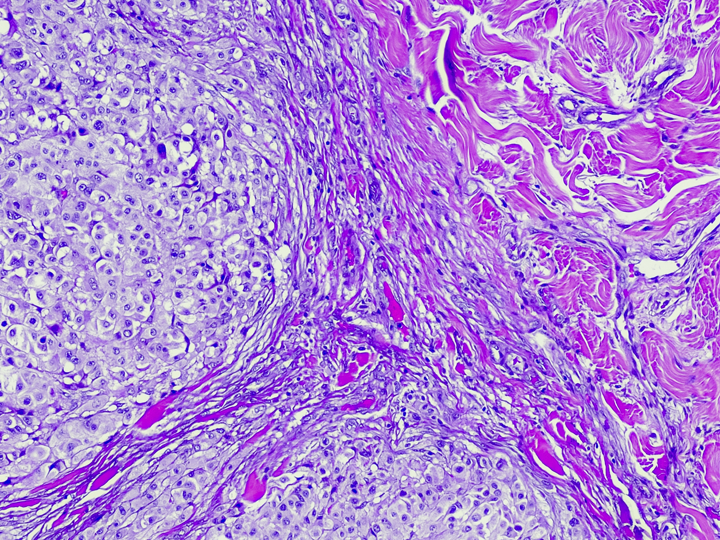
Surgical biopsy – a tissue sample is taken from the tumor for testing
Urine cytology – a urine sample is examined under high magnification to look for cancer cells.
Imaging tests – may include CT, PET or MRI scans.
Treatment options for bladder cancer depend on many factors, including how advanced the cancer is when detected, your age and any other health issues you may have.
Hoag Family Cancer Institute’s bladder cancer team includes experienced, fellowship-trained urologic surgical oncologists who utilize the latest techniques in surgical management of bladder cancer.
Advanced surgical approaches for bladder cancer include:
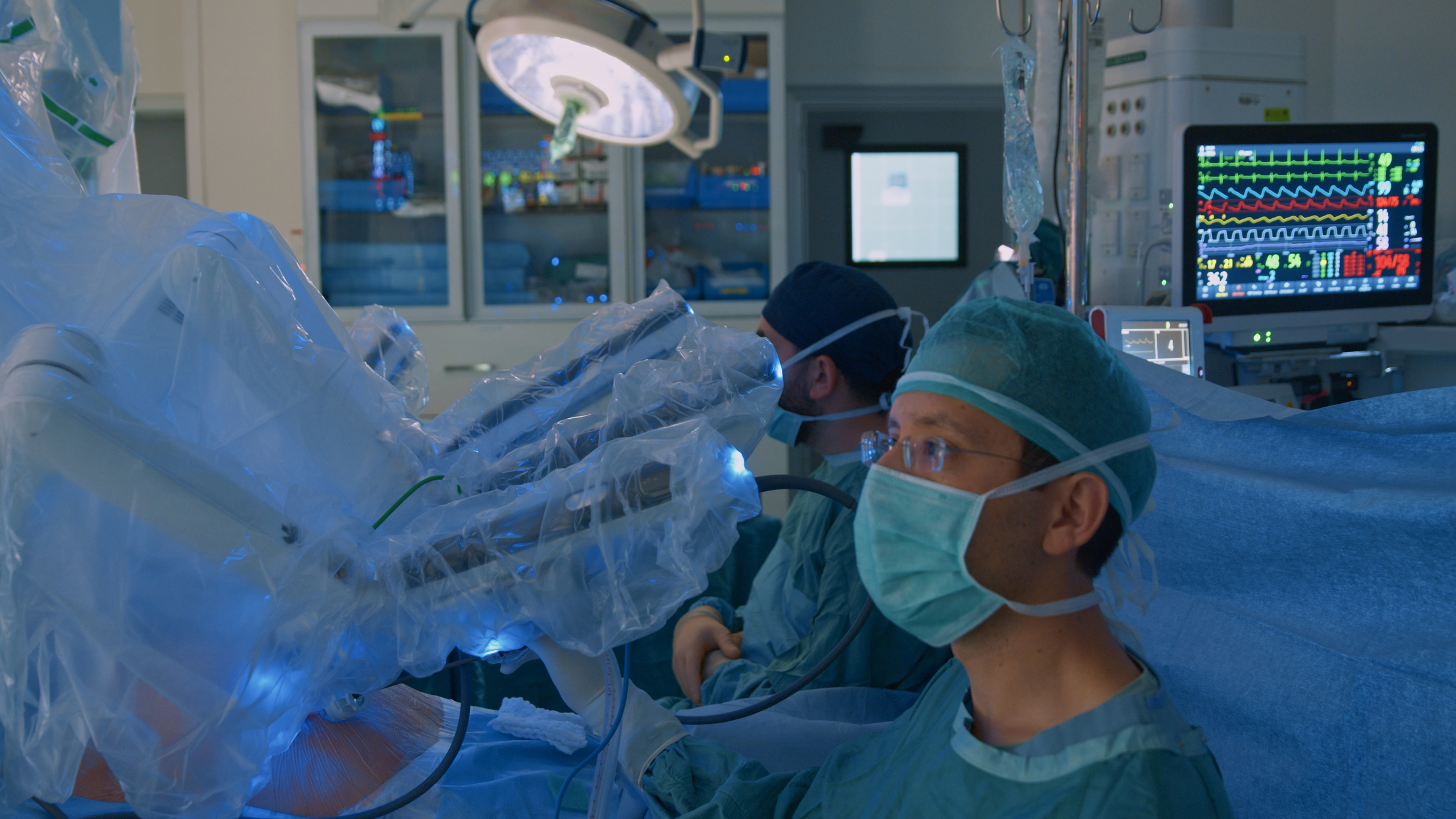
Minimally invasive laparoscopic robotic surgery using a DaVinci Robotics platform. Learn more about the benefits of Hoag’s DaVinci robotics program.
Open or traditional surgery
Additional surgical procedures include:
Local excision
Transurethral resection (TUR) with fulguration
Segmental or partial cystectomy
Radical cystectomy
Urinary diversion:
Ileal Conduit – Using an external pouch to collect urine through an abdominal opening called a stoma.
Indiana Pouch (also known as continent urinary reservoir, continent cutaneous pouch or continent cutaneous diversion) – Creation of an internal reservoir to collect urine which is then emptied using a catheter inserted through a stoma to drain urine from the neobladder.
Ileal Neobladder – Creation of an internal pouch which is connected to the urethra, allowing patients to pass urine through their urethra once urinary control is regained. Patients may have to self-catheterize to drain urine while regaining urinary control.
As a full-service cancer center, Hoag offers both inpatient and outpatient options to provide the full spectrum of therapeutic care and support. All outpatient services are located right here in Orange County.
Our non-surgical treatment options for bladder cancer include:
Immunotherapy (including Cell Therapy)
Intravesical immunotherapy introduced directly into the bladder
Intravesical bacillus Calmette-Guérin (BCG) and other anti-cancer drug therapies
Systemic immunotherapy administered through a vein directly into blood stream
Chemotherapy (sometimes including cisplatin)
Intravesical chemotherapy with mitomycin or gemcitabine introduced directly into the bladder
Systemic chemotherapy administered through a vein directly into blood stream
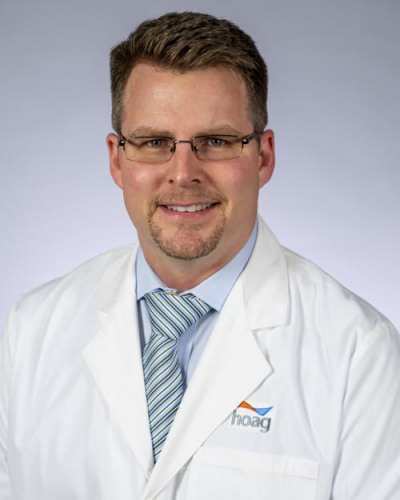
Benjamin & Carmela Du Endowed Chair in Urologic Oncology, Co-Medical Director, Urologic Oncology
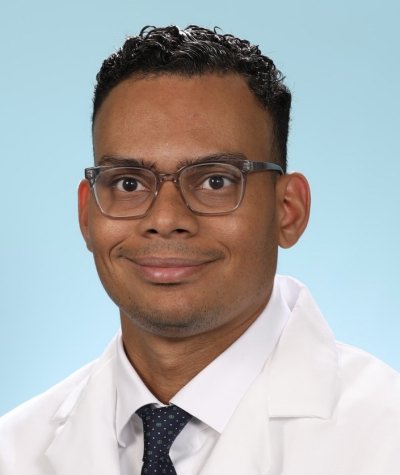
Urologic Oncology

Co-Medical Director, Urologic Oncology
Medical Oncology

Medical Oncology

Medical Director, Radiation Oncology Program
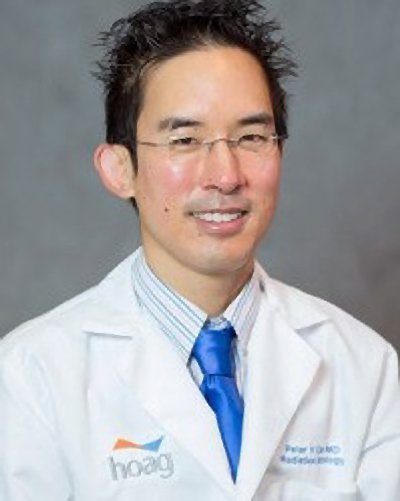
Radiation Oncology
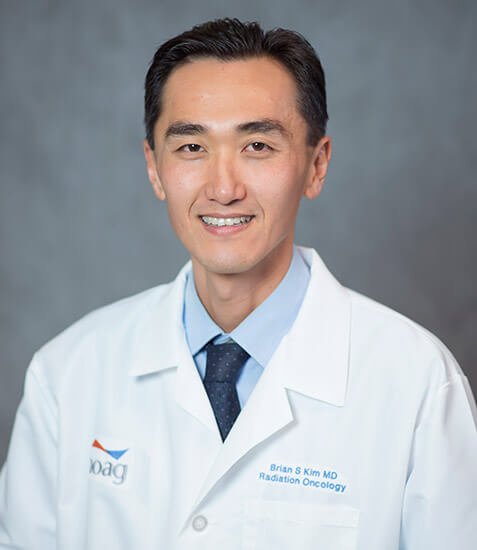
Radiation Oncology
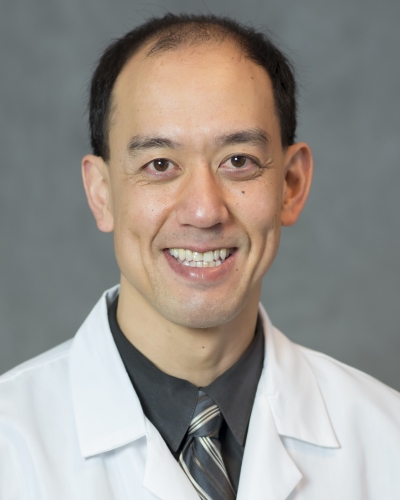
Radiation Oncology

Radiation Oncology
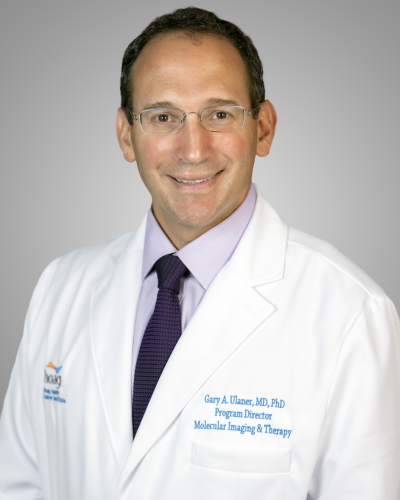
James & Pamela Muzzy Endowed Chair in Molecular Imaging and Therapy
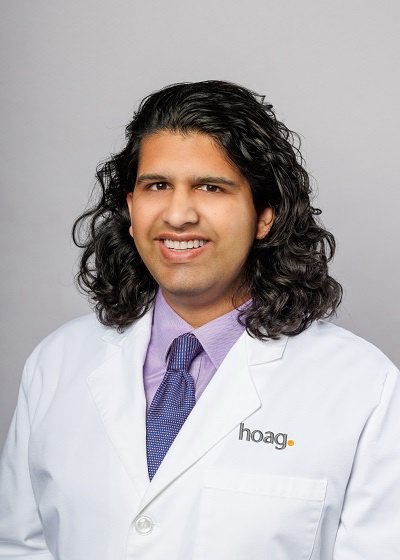
Diagnostic Radiology, Nuclear Medicine
Hoag Urology physicians are board-certified urologists who use the latest technologies and innovative techniques to treat urologic conditions, including erectile dysfunction (ED) and penile reconstructive surgery. For non-cancerous urological issues, Hoag Urology is the perfect place to start.
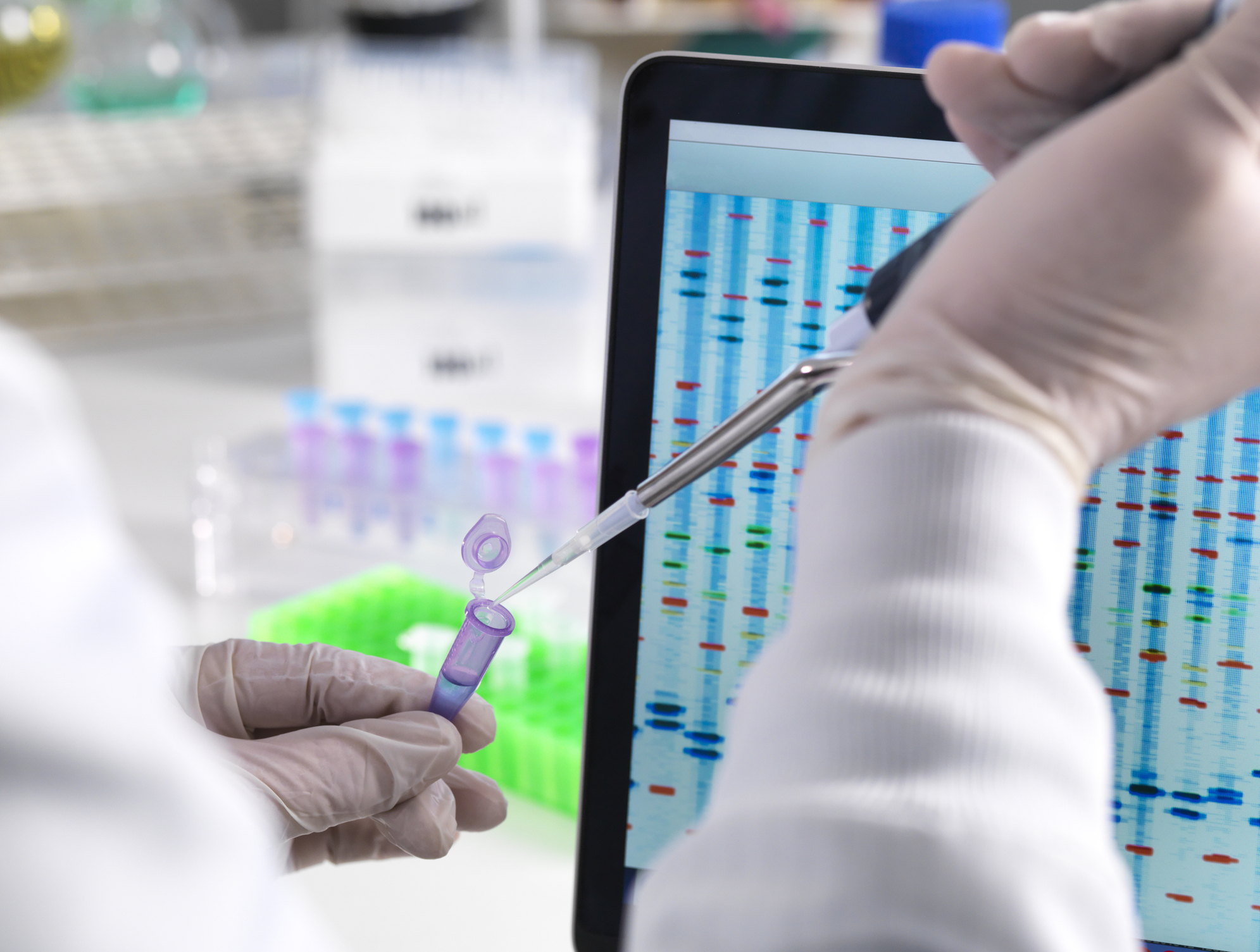
Hoag’s Precision Medicine Program combines genomics and genetics to diagnose, treat, and prevent diseases. Using the latest advances in genomic technologies, targeted therapies and research, our precision medicine program brings together a multidisciplinary team, including a robust genetic counseling group of experts, to provide patients with the latest in innovation and technology.
Hoag’s Molecular Imaging & Therapy (MIT) Program has been recognized as one of only 95 Radiopharmaceutical Therapy Centers of Excellence in the world. Through this program, Hoag is helping pioneer the most sensitive imaging methods to date to advance research and applications of molecular imaging and therapy in the treatment of cancer patients. These trials are expected to play a significant role in cancer detection, individualized treatment and drug development. The future of cancer detection and therapy is offered today at Hoag.
Hoag Family Cancer Institute provides a dedicated team of genetic counselors that offer hereditary cancer assessment, offering risk assessment and genetic cancer testing to those with a personal or family history of cancer.
Being diagnosed with cancer can feel overwhelming at times. Many patients and their families need help with coping and can benefit from supportive counseling. Oncology Clinical Social Workers are available to provide emotional and practical support during all stages of cancer including diagnosis, treatment and post-treatment survivorship.
Hoag Family Cancer Institute dietitians work closely with patients’ physicians, nurses, therapists, and social workers to ensure complete care.
Hoag is committed to leading the way in state-of-the-art technologies and advanced treatment options. Part of this commitment includes clinical research with the goal of helping patients live longer, healthier lives. Through carefully planned clinical trials, researchers evaluate the safety and effectiveness of new ways to diagnose, treat and prevent diseases or conditions. Treatments studied in clinical trials might be new drugs or new combinations of drugs, new surgical procedures or devices, or new ways to use existing treatments.
By submitting this request, you agree to receive communications from Hoag and accept our Privacy Policy and Terms of Use.