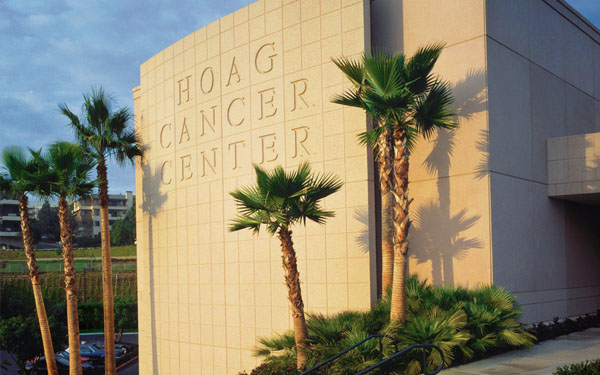
Hoag Memorial Hospital Presbyterian
1 Hoag Drive, Building #41
Newport Beach, CA 92663
949-722-6237
Pancreatic cancer is the third leading cause of cancer death in both men and women in the United States. In 2025, there were 67,440 new diagnoses and 51,980 deaths. Early disease detection can improve survival rates.
Pancreatic cancer is considered to be an uncommon cancer. The average person only has a 1.6% lifetime risk of developing it, but if someone has a significant family history of pancreatic cancer or a known mutation in a pancreatic cancer susceptibility gene, their risk is likely higher.
As the first in Southern California and one of only a few centers in the U.S., Hoag Family Cancer Institute offers an early detection program to assess individuals at higher risk of developing pancreatic cancer. The purpose of this program is to improve the outcomes for individuals at risk for pancreatic cancer, working to detect early-stage cancer through labs, imaging, and diagnostic testing. As part of the program, individuals will have the option of submitting their de-identified information to be part of a registry, shared by similar organizations in the nation (https://precedestudy.org/). This database will help future clinicians to better understand this complex disease and how to effectively treat and manage it.
Hoag’s Pancreatic Cancer Early Detection Clinic is led by a multidisciplinary team of specialists including a nurse practitioner, genetic counselors, gastroenterologists and pancreatic surgeons. Together, this team supports all aspects of care, collaborating with other physician specialists, to ensure an individual’s risk is accurately assessed and managed.
Since pancreatic cancer is a rare cancer, Hoag’s PCDC aims to enroll and screen those at increased risk for pancreatic cancer at this time. This includes individuals with a strong family history of pancreatic cancer, or those with mutations in certain genes. Patients eligible for this program are those with confirmed germline pathogenic or likely pathogenic variants in a pancreatic cancer gene (e.g. ATM, BRCA1, BRCA2, CDKN2A, PALB2, STK11, etc.). Individuals with variants of unknown/uncertain significance in these genes do not qualify. Individuals can also qualify for Hoag’s PCDC based on family history (no gene mutation required) in any of the following ways:
1 first degree relative with pancreatic ductal adenocarcinoma (PDAC) diagnosed at or before age 45
2 relatives (any relation) on the same side of the family with PDAC diagnosed at any age
Screening in this program begins at age 50 unless the individual has a CDKN2A mutation (start at age 40), a STK11 mutation (start at age 35), or has a relative who was diagnosed with PDAC at a young age (start 10 years younger than the earliest PDAC in the family). Individuals younger than 50 who do not meet these exceptions do not qualify at this time but will qualify at age 50.
The clinic runs at the Hoag Family Cancer Institute in Newport Beach. Someone enrolled in the program can expect annual office visits with our nurse practitioner. The nurse practitioner will enter appropriate orders (blood work, abdominal MRI, endoscopic ultrasound, etc.) for the individual to complete after the visit. The individual will also meet with a genetic counselor during their office visit every other year to review their family history and any new genetic information.
If you have any questions, would like to determine whether or not you are eligible, or want to schedule an initial appointment, please contact the Hoag’s Pancreatic Cancer Detection Clinic at 949-764-7475.
Hoag’s multidisciplinary team provides expert evaluation, staging, and highly personalized treatment planning for pancreatic cancer, delivering outcomes that rank among the nation’s best.
Through innovative clinical research, Hoag physicians explore the efficacy of new drugs, therapies, medical devices and clinical and surgical methods – ensuring you have access to the most advanced treatments available.
Hoag is the top choice for cancer care in Orange County, with cancer survival rates that continually exceed national averages. Our dedicated, world-class teams are wholly focused on helping you survive cancer, heal and move forward with your life.



1 Hoag Drive, Building #41
Newport Beach, CA 92663
949-722-6237
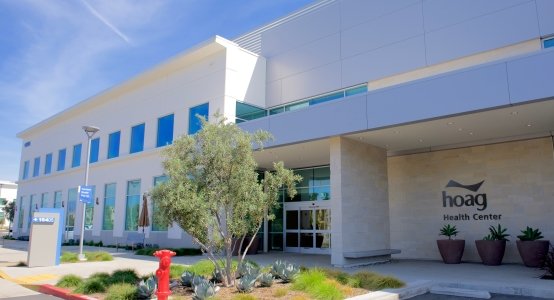
16105 Sand Canyon Ave.
Irvine, CA 92618
(949) 722-6237

1 Hoag Drive, Building #47
Newport Beach, CA 92663
949-764-1880
19582 Beach Blvd., #219
Huntington Beach, CA 92648
714-477-8130
Get care from medical providers that fit your needs in a location near you.
Find a providerFind information made to guide and support you on your journey.
See all resourcesDidn’t see what you’re looking for? Reach out and we’ll make sure you get what you need.
Contact usComprehensive evaluation with accurate diagnosis is the foundation for achieving successful outcomes. That’s why it’s important to seek care from a center that provides academic level care from a multidisciplinary, specialized team of hepatobiliary and pancreatic experts experienced in the accurate diagnosis of pancreatic cancer, as well as other complex gastrointestinal diseases.
Beginning with a thorough evaluation that includes a comprehensive physical exam, personal medical history review and state-of-the-art diagnostic workup, Hoag’s multidisciplinary team of board-certified, fellowship trained pancreatic experts carefully evaluate and pinpoint the nature of the cancer, so the most appropriate personalized treatment options can be employed.
Hoag’s state-of-the-art diagnostic technologies provide our team with the latest modalities in the accurate diagnosis of pancreatic cancer and other disorders. Some of the progressive imaging studies that may be utilized include:
Volume Rendering Computed Tomography (CT) is the most recent advance in CT technology. Only a few centers in Southern California have this technology, which creates highly accurate 3-D scans of the pancreas. This enables physicians to properly stage the cancer and determine whether the tumor is resectable.
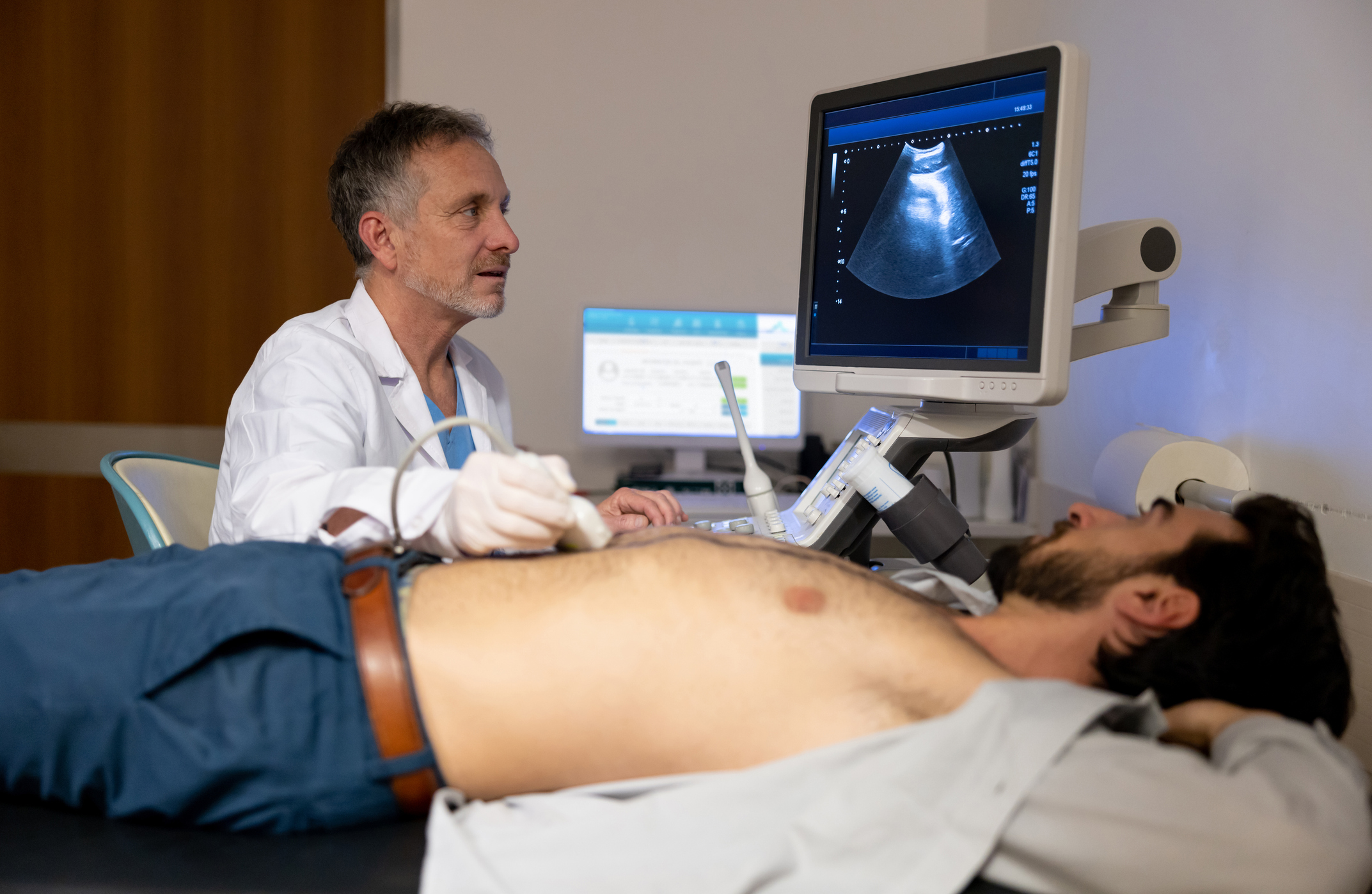
Endoscopic Ultrasound (EUS) uses an ultrasound device to make images of your pancreas from inside your abdomen. The physician may also collect a sample of cells (biopsy) during EUS.
Endoscopic Retrograde Cholangiopancreatography (ERCP) uses a dye to highlight the bile ducts in the pancreas, so that an accurate image of the bile duct and pancreatic duct may be obtained. This study is performed to rule out certain diseases of the pancreas and the bile duct. The physician may also insert small tubes (called stents) into the bile duct or the pancreatic duct, if they are obstructed, to relieve the obstruction. Additionally, a tissue sample (biopsy) may be collected during ERCP.
MRCP is a modified MRI that utilizes specialized software to obtain a composite image of the pancreatic duct and the bile duct from the digital MRI images. This study provides similar information to an ERCP. However, as a diagnostic study, MRCP study is preferred to ERCP since this procedure is not invasive.
Tumor Markers are used to determine whether certain substances are being released into the blood. Tumor markers are often obtained to assess the probability of a cancer in a patient who has a lesion. While high tumor markers may indicate cancer, they are not definitive since non-cancerous conditions of the pancreas and liver can falsely elevate these tumor markers.
Diagnostic Laparoscopy is a minimally invasive surgical procedure used to examine internal organs by direct visualization. Small incisions are made in the abdominal wall, and a thin, lighted tube called a laparoscope is inserted. This procedure allows the surgeon to evaluate whether the cancer has spread outside of the pancreas prior to performing surgery. This is an important part of planning for surgery.
Biopsy is the removal of a sample of tissue for testing. This procedure is performed to definitively diagnose pancreatic cancer, and may involve other methods outside of laparoscopic biopsy, such as endoscopic ultrasound or fine-needle aspiration.
It’s important to note that proper diagnosis and staging of pancreatic cancer is critical to developing a successful treatment plan. That’s why it’s so important to seek proper evaluation and treatment from a healthcare expert experienced in the most advanced pancreatic cancer care.
When it comes to pancreatic cancer and other gastrointestinal diseases, Hoag Family Cancer Institute provides a full array of progressive treatment options. As a recognized leader and high-volume provider of innovative gastrointestinal care, Hoag’s multidisciplinary team of digestive disease experts performs some of the most advanced gastrointestinal procedures available in the nation with clinical outcomes that rival national figures.
Hoag Family Cancer Institute provides state-of-the-art, compassionate pancreatic cancer care. Hoag’s committed to accurate diagnosis, combined with progressive therapeutic options enables Hoag patients to achieve some of the highest clinical outcomes in the nation.
To schedule a comprehensive diagnostic evaluation, or a second-opinion consultation with a Hoag pancreatic cancer expert, call us at 949-764-5350.
Pancreatic cancer begins in the pancreas, a small, tapered organ about six inches long that sits behind the stomach. When healthy, the pancreas has two different types of tissue with two different functions. Exocrine tissue, which makes up the majority of the pancreas, creates enzymes that help the body digest food. Endocrine tissue in the pancreas creates and releases hormones called insulin and glucagon that help the body maintain healthy levels of blood sugar.
When changes in the pancreas cause cells to mutate and replicate out of control, this can cause pancreatic cancer. According to the American Cancer Society, most pancreatic cancers begin in exocrine tissue, with around 95 percent classified as adenocarcinomas. Also known as ductal carcinoma, this form of the disease usually originates in the ducts that carry enzymes inside the pancreas.
Rarer forms of pancreatic cancer include:
Colloid Carcinoma
Adenosquamous Carcinoma
Squamous Cell Carcinoma
Pancreatic cancer is particularly dangerous in that it often presents few or no symptoms until after it has spread to other tissues inside the body. Some symptoms of pancreatic cancer can include:
Itchy skin or rash
Pain that extends from the abdomen to the back
Loss of appetite
Blood clots
Unexplained fatigue
Unexplained or unintentional weight loss
Bowel obstruction, due to a tumor pressing against the intestine and blocking the flow of waste through the body
Jaundice, which is a yellowing of the eyes and skin
Dark-colored urine
Light-colored stools
Sudden onset of diabetes, or recent difficulty controlling diabetes with medication and diet
While the vast majority of shoulder pain is related to strains, muscle pulls, arthritis or the wear-and-tear of aging, there are rare cases where pain in the shoulder or under the shoulder blade was found to be a symptom of pancreatic cancer, including this case from the American Journal of Gastroenterology and this case from 2013. In these cases, pancreatic cancer shoulder pain is due to tumors spreading from the pancreas, then pressing on nearby nerves as they grow. These instances are rare, and most shoulder pain isn’t related to pancreatic cancer. However, if you experience unexplained pain in your shoulder that is hindering your ability to function, see your doctor.
Though the root cause of pancreatic cancer is still unknown, there are a number of factors that are believed to increase your risk of developing pancreatic cancer. These include:
A history of pancreatitis, which is a painful inflammation of the pancreas.
Diabetes, particularly Type 2
A family history of pancreatic cancer
Being older, as pancreatic cancer is usually diagnosed in people over age 65.
A family history of certain genetic conditions, including Lynch syndrome, Familial Atypical Mole-Malignant Melanoma Syndrome (FAMMMS), mutation of the BRCA2 gene, Peutz-Jeghers Syndrome and Familial Melanoma and Hereditary colon cancer.
Excessive alcohol use
Smoking
Eating a high fat diet
Obesity
Ways to reduce your risk of developing pancreatic cancer may include:
Avoid being overweight by eating a healthy diet and getting regular exercise to avoid being overweight. Here at Hoag, we offer help with weight management to help reduce this risk and others that come with being overweight.
Don’t smoke
Use alcohol in moderation
Avoid Type 2 diabetes by cutting sugar and eating a healthy diet
When it comes to pancreatic cancer and other gastrointestinal conditions, expert evaluation is vital to accurately diagnose pancreatic cancer and then determine the best course of treatment for the individual patient.
At Hoag, our multidisciplinary team of experts work together to thoroughly review and determine the pancreatic cancer treatment option suited to each individual patient.
The team then carefully tailors a personalized treatment plan to effectively achieve the best possible outcome for the patient. This emphasis on a collaborative, comprehensive approach to patient-centered care is why Hoag patient outcomes rank are among the nation’s best.
Once pancreatic cancer is diagnosed, important staging tests (such as diagnostic laparoscopic examination) are performed to determine if the cancer has spread, and if so, to what extent. The type of treatment recommended depends upon the stage of the cancer and may include options such as:
Pancreatic cancer treatment options depends on the type of tumor and where in the pancreas the tumor is located.
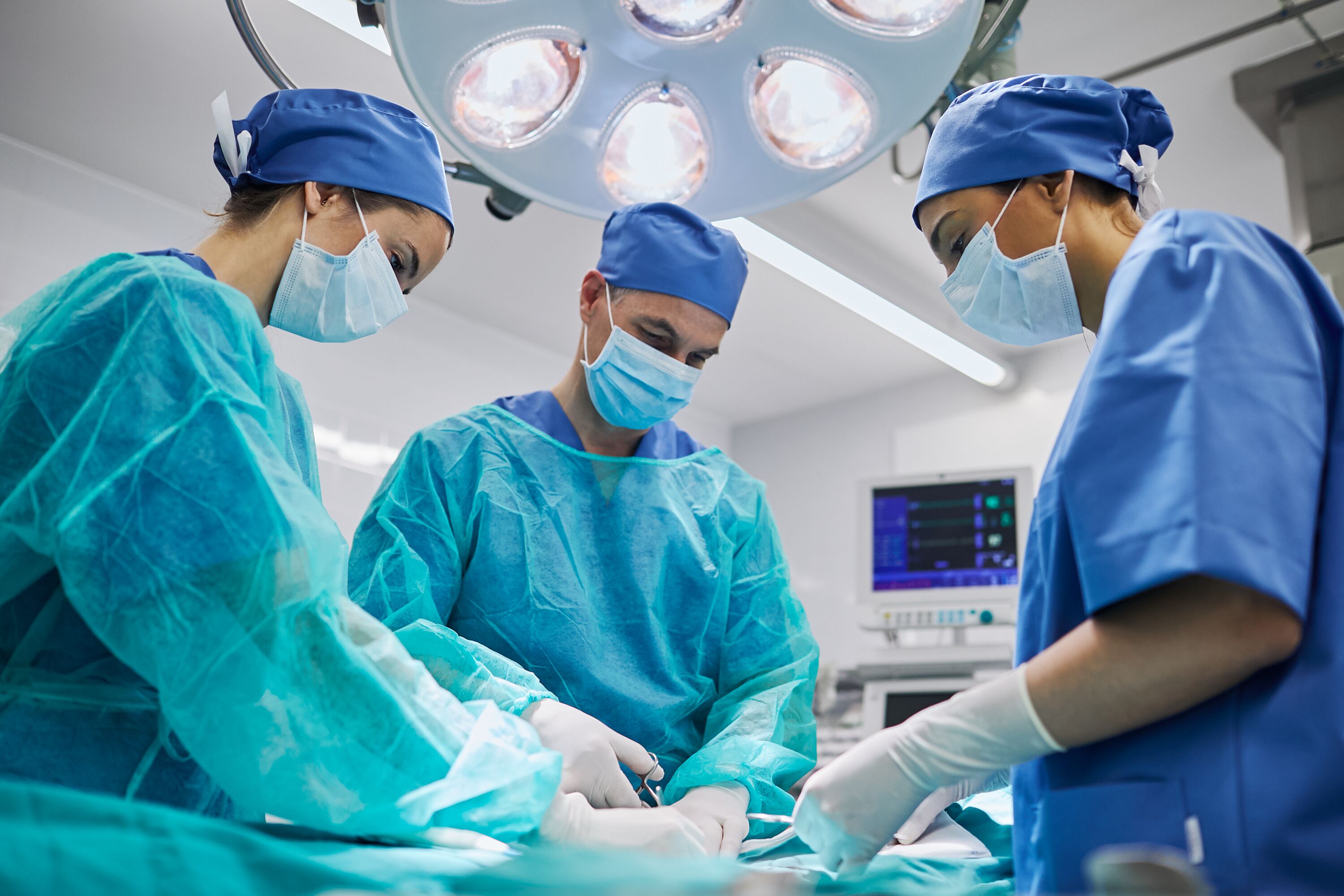
Innovative surgical treatment is offered for patients with an adenocarcinoma of the pancreas since this tumor is associated with a poor outcome if not completely eradicated by surgery. However, in patients with less aggressive cancers, surgical treatment, including minimally invasive approaches, may be indicated in selected cases. Hoag’s philosophy is to always emphasize organ preservation whenever possible.
When it comes to advanced surgical care, the Hoag surgical team performs more complex pancreatic surgeries than any other surgical program in Southern California including state-of-the-art procedures that may not available at most centers. Being a high-volume pancreatic cancer surgical program enables the gastrointestinal experts at Hoag to achieve a technical skill level not all facilities can match.
Some of the advanced surgical options for treating tumors of the pancreas include:
The Whipple Operation involves resection (removal) of the head of the pancreas, a portion of the bile duct, the gallbladder and the duodenum. Occasionally, a portion of the stomach may also be removed. The Whipple Operation is often used to treat patients with adenocarcinoma of the pancreas, although it may be recommended for some patients with benign disorders such as chronic pancreatitis and benign tumors of the head of the pancreas.
Central Pancreatectomy may be recommended for patients who have low-grade malignant or benign tumors in the neck of the pancreas. Removal of tumors in this area often requires removing a large portion of the pancreas. However, Hoag offers a highly specialized surgical procedure that removes only the tumorous portion of the neck of the pancreas, thereby preserving the head, body and tail of the pancreas.
Laparoscopic/Robotic-Assisted Pancreatectomy is a minimally invasive surgical procedure where the body and tail of the pancreas is removed along with the spleen. This procedure is most frequently performed in patients with adenocarcinoma of the pancreas. However, Hoag routinely provides laparoscopic spleen-preserving pancreatectomy for patients with cystic tumors and neuroendocrine tumors.
Duodenum Preserving Pancreatic Head Resection is offered primarily to patients with chronic pancreatitis, although the procedure may also be offered to some patients with neuroendocrine tumors who would otherwise require a Whipple Operation. In this procedure, the head of the pancreas is removed while preserving the bile duct and duodenum (the first part of the intestine). Hoag is one of the few centers in the United States to offer this innovative surgical procedure.
Enucleation of pancreatic islet cell tumors is surgical procedure that carefully removes islet cell tumors without removing any pancreatic tissue. Pancreatic islet cell tumors (also called neuroendocrine tumors) are small tumors found on the surface of the pancreas. Hoag surgeons have developed a laparoscopic technique for enucleation of pancreatic islet cell tumors, which provides a number of benefits to patients including a faster recovery and return to daily activities.
Locally advanced pancreatic cancer describes pancreatic cancer that involves other structures near the pancreas. The most frequently involved structure is the portal vein.
At Hoag, our expert team of hepatobiliary surgeons is experienced in advanced surgical techniques that allow the cancer to be removed with reconstruction of the portal vein utilizing an innovative vein graft procedure. In addition to the portal vein, other adjacent structures can also be removed, if necessary, and reconstructed using similar advanced surgical techniques.
It’s important to note that often patients with pancreatic cancer are told that their cancer is not resectable, or that they may not be a candidate for surgery. At Hoag, our academic-level hepatobiliary surgeons have extensive experience and training in complex pancreatic surgery, and can often resect locally advanced tumors due to their expertise, which is why it’s important to seek out a second opinion.
In addition to progressive surgical options, Hoag also provides the full array of innovative non-surgical options for treating pancreatic cancer, including:
Radiation therapy may be recommended before or after cancer surgery, often in combination with chemotherapy. Combination radiation therapy and chemotherapy may also be utilized in cases where a cancer cannot be treated surgically.
Chemotherapy uses drug therapy to help destroy cancer cells. Chemotherapy is often combined with radiation therapy to treat cancer that has spread beyond the pancreas to nearby organs, but not to distant regions of the body. This combination chemotherapy-radiation therapy protocol may also be used after surgery to reduce the risk that pancreatic cancer may recur. In individuals with advanced pancreatic cancer, chemotherapy may be used alone or it may be combined with targeted drug therapy.
Targeted therapy uses drugs that attack specific abnormalities within cancer cells. For example, the targeted drug erlotinib (Tarceva) blocks chemicals that signal cancer cells to grow and divide. This drug is usually combined with chemotherapy for use in people with advanced pancreatic cancer.
Clinical Trials play a significant role in gastrointestinal cancer treatment. Hoag physicians participate in a variety of clinical trials in order to bring advanced care to Hoag pancreatic cancer patients.
When it comes to seeking out the most advanced pancreatic cancer care, there is no longer any need to travel long distances. Hoag Family Cancer Institute offers the latest in state-of-the-art diagnosis and leading-edge treatment options that may not be readily available at other centers, including resection of advanced pancreatic cancers, as well as participation in clinical trials that helps to bring advanced care to even more patients.
Perhaps the most distinguishing aspect of Hoag’s advanced treatment of pancreatic conditions is that in each and every case, treatment is always specifically tailored to the meet the unique needs of the individual patient.
Hoag Family Cancer Institute provides state-of-the-art, compassionate pancreatic cancer care. Hoag’s committed to accurate diagnosis, combined with progressive therapeutic options enables Hoag patients to achieve some of the highest clinical outcomes in the nation.
To schedule a comprehensive diagnostic evaluation, or a second-opinion consultation with a Hoag pancreatic cancer expert, call us at (949) 764-5350.
Chemotherapy/Systemic Therapy
Chemotherapy uses powerful drugs or chemicals to directly attack cancerous cells. Systemic Therapy is a non-surgical treatment option for cancer patients. Systemic therapy is when drugs are administered into a patient’s blood stream to stop or slow the growth of cancerous cells. Biological therapy, also referred to as “Immunotherapy” utilizes the body immune system to fight cancer cells.
da Vinci® Robotic Surgery
The da Vinci® SP1 Surgical System is an innovative robotic platform that allows surgeons to perform complex surgeries through a single incision.
Stereotactic Body Radiation Therapy (SBRT)
Stereotactic Radiation Therapy (SRT) is an intermediate technique, with many of the characteristics of both Stereotactic Radiosurgery (SRS) and Image-Guided Intensity-Modulated Radiation Therapy (IG-IMRT). When applied outside of the brain, this technique is often called Stereotactic Body Radiation Therapy (SBRT).
Precision Medicine Program
Hoag’s Precision Medicine Program combines genomics and genetics to diagnose, treat, and prevent diseases. Using the latest advances in genomic technologies, targeted therapies and research, our precision medicine program brings together a multidisciplinary team, including a robust genetic counseling group of experts, to provide patients with the latest in innovation and technology.
Tumor Boards
Tumor boards* are a meeting of Hoag’s top experts in their respective subspecialties to determine the best approach for a patient’s individual cancer case.
Palliative Care
Palliative care is a specialty that focuses on improving the quality of life of individuals facing serious illness through medical management and emotional support.
Cancer Clinical Trials
Early development clinical trials (phase I and II) are novel drug therapies that examine new treatments that provide options beyond standard of care. During these trials, researchers are carefully examining the best way to administer the treatment, determine how much can be safely given, identify important potential side effects, as well as assess cancer response.
Hoag is committed to leading the way in state-of-the-art technologies and advanced treatment options. Part of this commitment includes clinical research with the goal of helping patients live longer, healthier lives. Through carefully planned clinical trials, researchers evaluate the safety and effectiveness of new ways to diagnose, treat and prevent diseases or conditions. Treatments studied in clinical trials might be new drugs or new combinations of drugs, new surgical procedures or devices, or new ways to use existing treatments. View clinical trials for pancreatic cancer here.

Medical Director, Hepatobiliary and Pancreas Surgery
Hepatobiliary and Pancreas Surgery

Hepatobiliary and Pancreas Surgery

Margaret Givan Larkin Endowed Chair in Developmental Cancer Therapeutics

Medical Director, Hepatobiliary Cancer
Radiation Oncology

Medical Director, Radiation Oncology Program
Radiation Oncology
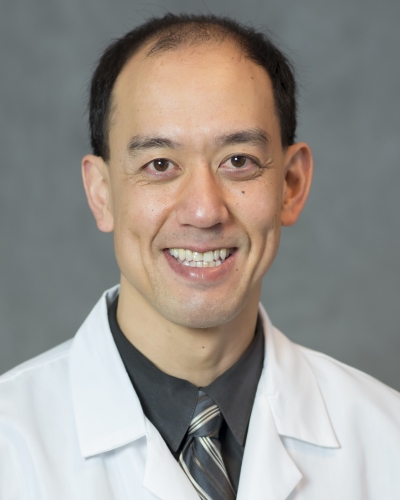
Radiation Oncology

Radiation Oncology
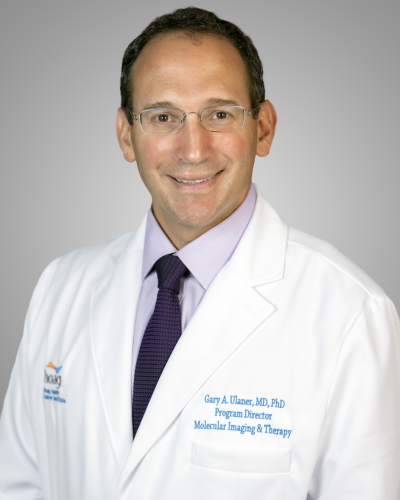
James & Pamela Muzzy Endowed Chair in Molecular Imaging and Therapy

Diagnostic Radiology, Nuclear Medicine

James & Pamela Muzzy Executive Medical Director Endowed Chair in GI Cancer, Digestive Health Institute, Gastroenterology
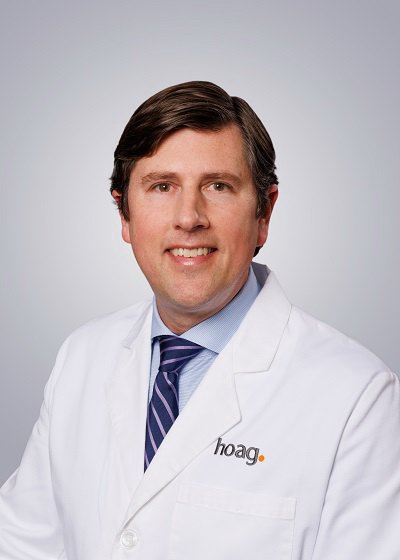
Medical Director Hoag GI Lab, Gastroenterology

Medical Director of Hoag Advanced Endoscopy Center, Gastroenterology

Medical Director, Hoag Irvine Advanced Endoscopy, Director of Bariatric Endoscopy, Gastroenterology

Gastroenterology

Medical Director, Hoag Molecular Pathology

Clinical Nurse Navigator
Hoag’s Precision Medicine Program combines genomics and genetics to diagnose, treat, and prevent diseases. Using the latest advances in genomic technologies, targeted therapies and research, our precision medicine program brings together a multidisciplinary team, including a robust genetic counseling group of experts, to provide patients with the latest in innovation and technology.
Hoag’s Molecular Imaging & Therapy (MIT) Program has been recognized as one of only 95 Radiopharmaceutical Therapy Centers of Excellence in the world. Through this program, Hoag is helping pioneer the most sensitive imaging methods to date to advance research and applications of molecular imaging and therapy in the treatment of cancer patients. These trials are expected to play a significant role in cancer detection, individualized treatment and drug development. The future of cancer detection and therapy is offered today at Hoag.
Hoag Family Cancer Institute provides a dedicated team of genetic counselors that offer hereditary cancer assessment, offering risk assessment and genetic cancer testing to those with a personal or family history of cancer.
Being diagnosed with cancer can feel overwhelming at times. Many patients and their families need help with coping and can benefit from supportive counseling. Oncology Clinical Social Workers are available to provide emotional and practical support during all stages of cancer including diagnosis, treatment and post-treatment survivorship.
Hoag Family Cancer Institute dietitians work closely with patients’ physicians, nurses, therapists, and social workers to ensure complete care.
By submitting this request, you agree to receive communications from Hoag and accept our Privacy Policy and Terms of Use.