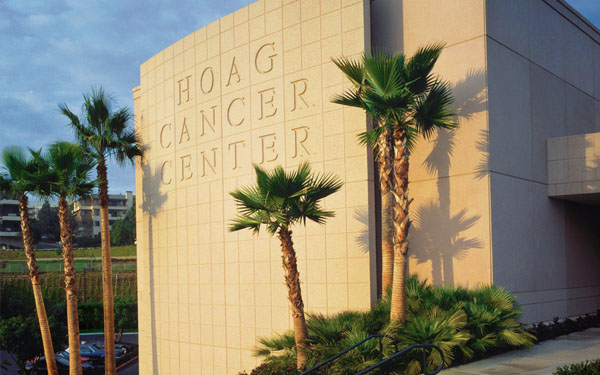
Hoag Memorial Hospital Presbyterian
1 Hoag Drive, Building #41
Newport Beach, CA 92663
949-722-6237
Medical Director, Hepatobiliary and Pancreas Surgery
Hepatobiliary and Pancreas Surgery

Hepatobiliary and Pancreas Surgery
Margaret Givan Larkin Endowed Chair in Developmental Cancer Therapeutics

Medical Director, Hepatobiliary Cancer
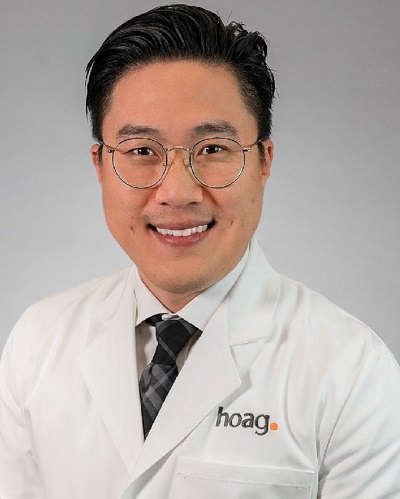
Co-Director, Liver Program, Hepatology
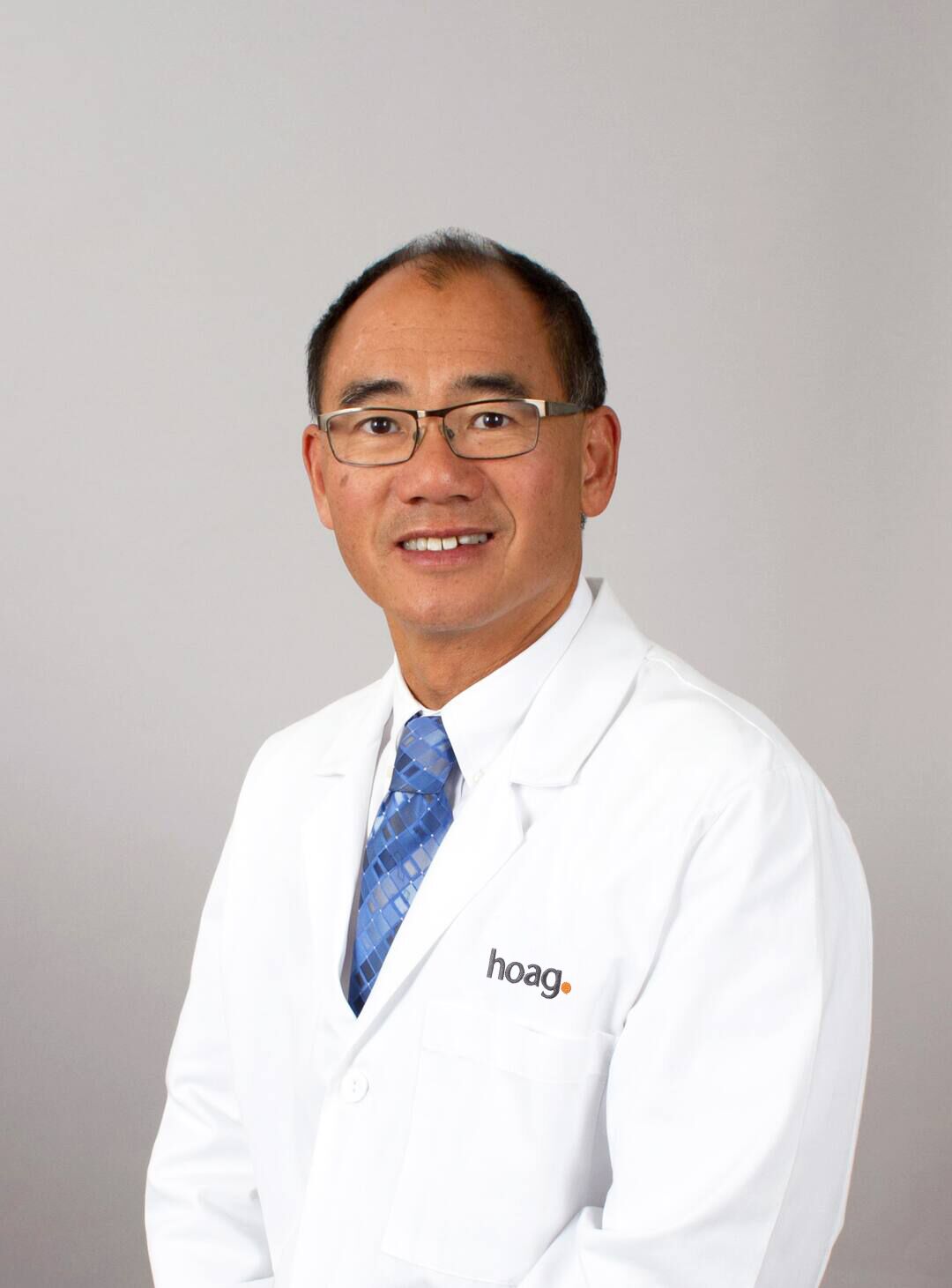
Co-Director, Liver Program, Hepatology
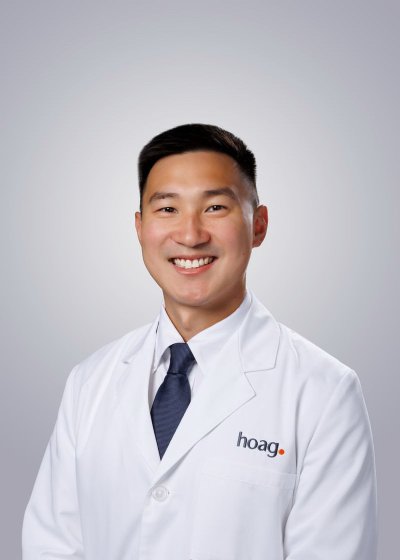
Hepatology
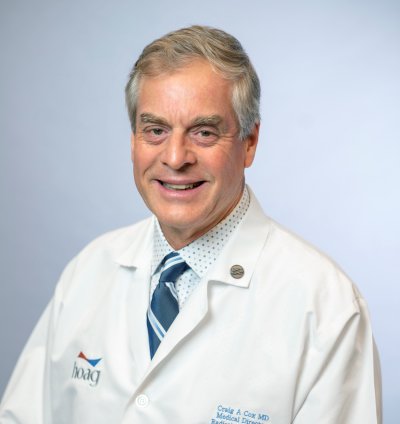
Medical Director, Radiation Oncology Program
Radiation Oncology
Radiation Oncology
Radiation Oncology

Radiation Oncology

James & Pamela Muzzy Executive Medical Director Endowed Chair in GI Cancer, Digestive Health Institute, Gastroenterology
Medical Director Hoag GI Lab, Gastroenterology

Medical Director of Hoag Advanced Endoscopy Center, Gastroenterology
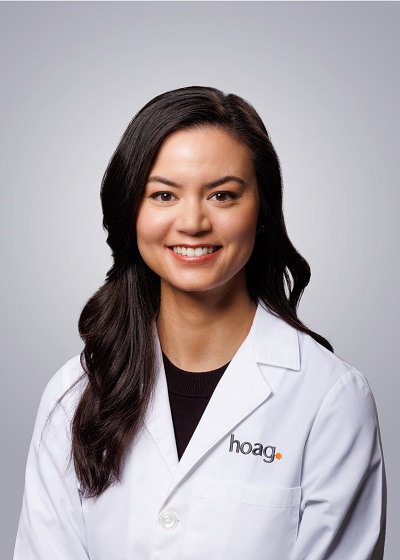
Medical Director, Hoag Irvine Advanced Endoscopy, Director of Bariatric Endoscopy, Gastroenterology
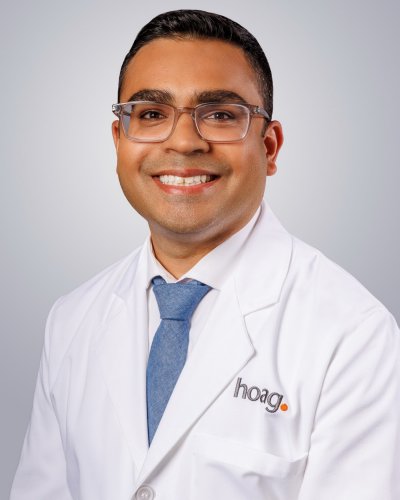
Gastroenterology
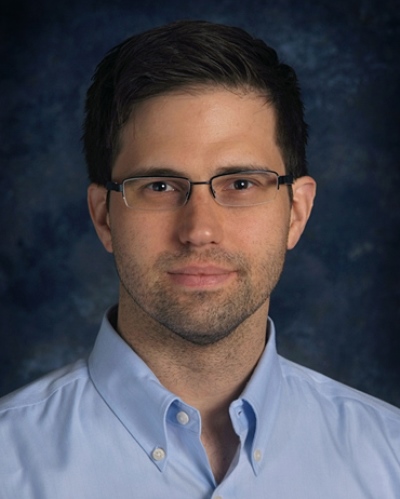
Medical Director, Hoag Molecular Pathology

Radiology & Imaging

Interventional Radiology

Interventional Radiology
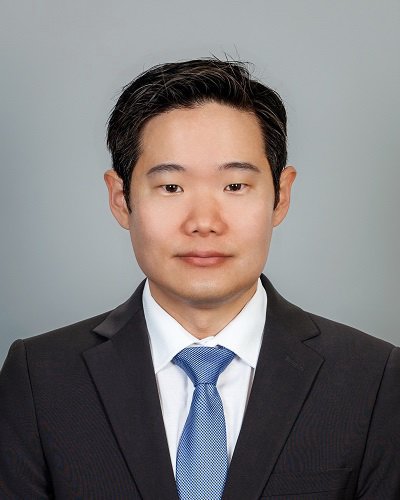
Interventional Radiology
Interventional Radiology

Clinical Nurse Navigator
Hoag’s Precision Medicine Program combines genomics and genetics to diagnose, treat, and prevent diseases. Using the latest advances in genomic technologies, targeted therapies and research, our precision medicine program brings together a multidisciplinary team, including a robust genetic counseling group of experts, to provide patients with the latest in innovation and technology.
Being diagnosed with cancer can feel overwhelming at times. Many patients and their families need help with coping and can benefit from supportive counseling. Oncology Clinical Social Workers are available to provide emotional and practical support during all stages of cancer including diagnosis, treatment and post-treatment survivorship.
Hoag Family Cancer Institute dietitians work closely with patients’ physicians, nurses, therapists, and social workers to ensure complete care.
Hoag Family Cancer Institute gives you access to the most advanced diagnostics, therapies and treatment options for liver cancer, as well as groundbreaking clinical research – so you can trust that you will have the best care.
Hoag physicians lead innovative clinical trials, continuing to push for more advanced, effective care for liver cancer patients.
Hoag is the top choice for cancer care in Orange County, with cancer survival rates that continually exceed national averages. Our dedicated, world-class teams are wholly focused on helping you survive cancer, heal and move forward with your life.



1 Hoag Drive, Building #41
Newport Beach, CA 92663
949-722-6237
16105 Sand Canyon Ave.
Irvine, CA 92618
(949) 722-6237
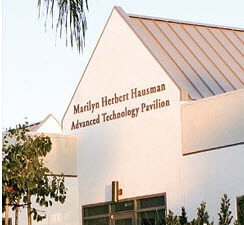
1 Hoag Drive, Building #47
Newport Beach, CA 92663
949-764-1880
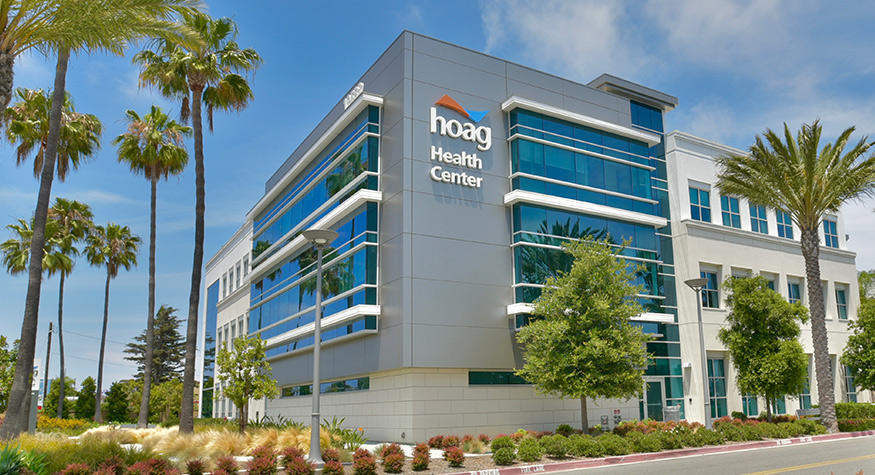
19582 Beach Blvd., #219
Huntington Beach, CA 92648
714-477-8130
Get care from medical providers that fit your needs in a location near you.
Find a providerFind information made to guide and support you on your journey.
See all resourcesDidn’t see what you’re looking for? Reach out and we’ll make sure you get what you need.
Contact usChemotherapy/Systemic Therapy
Chemotherapy uses powerful drugs or chemicals to directly attack cancerous cells. Systemic Therapy is a non-surgical treatment option for cancer patients. Systemic therapy is when drugs are administered into a patient’s blood stream to stop or slow the growth of cancerous cells. Biological therapy, also referred to as “Immunotherapy” utilizes the body immune system to fight cancer cells.
Histotripsy
Histotripsy is a precise, non-invasive cancer treatment option and the only FDA-approved therapy of its kind for treating liver tumors. As one of only a few sites in the country to offer this revolutionary technology, Hoag is proud to provide patients access to the latest FDA-approved treatment options and therapies.
Precision Medicine Program
Hoag’s Precision Medicine Program combines genomics and genetics to diagnose, treat, and prevent diseases. Using the latest advances in genomic technologies, targeted therapies and research, our precision medicine program brings together a multidisciplinary team, including a robust genetic counseling group of experts, to provide patients with the latest in innovation and technology.
Radiation Oncology
Hoag’s Radiation Oncology Program offers the widest range of radiation therapy options available, ensuring every treatment plan is precisely tailored to each patient.
Tumor Boards
Tumor boards* are a meeting of Hoag’s top experts in their respective subspecialties to determine the best approach for a patient’s individual cancer case.
Palliative Care
Palliative care is a specialty that focuses on improving the quality of life of individuals facing serious illness through medical management and emotional support.
Hoag Family Cancer Institute gives you access to the most advanced diagnostics, therapies and treatment options for liver cancer, as well as groundbreaking clinical research – so you can trust that you will have the best care.
After talking to you about your symptoms, your physician will likely ask about your medical history and give you a thorough examination which may include drawing blood for testing.Accurate, advanced diagnosis of liver cancer is a priority at Hoag. Liver cancer requires accurate diagnosis and leading-edge treatments to create better outcomes and fuller recoveries for patients.Some of the advanced diagnostic techniques used to diagnose liver cancer at Hoag may include:
Alpha-fetoprotein (AFP) tumor marker test, which tests for a chemical in the blood that’s often elevated in people with liver cancer and conditions that could lead to cancer, like hepatitis and cirrhosis.
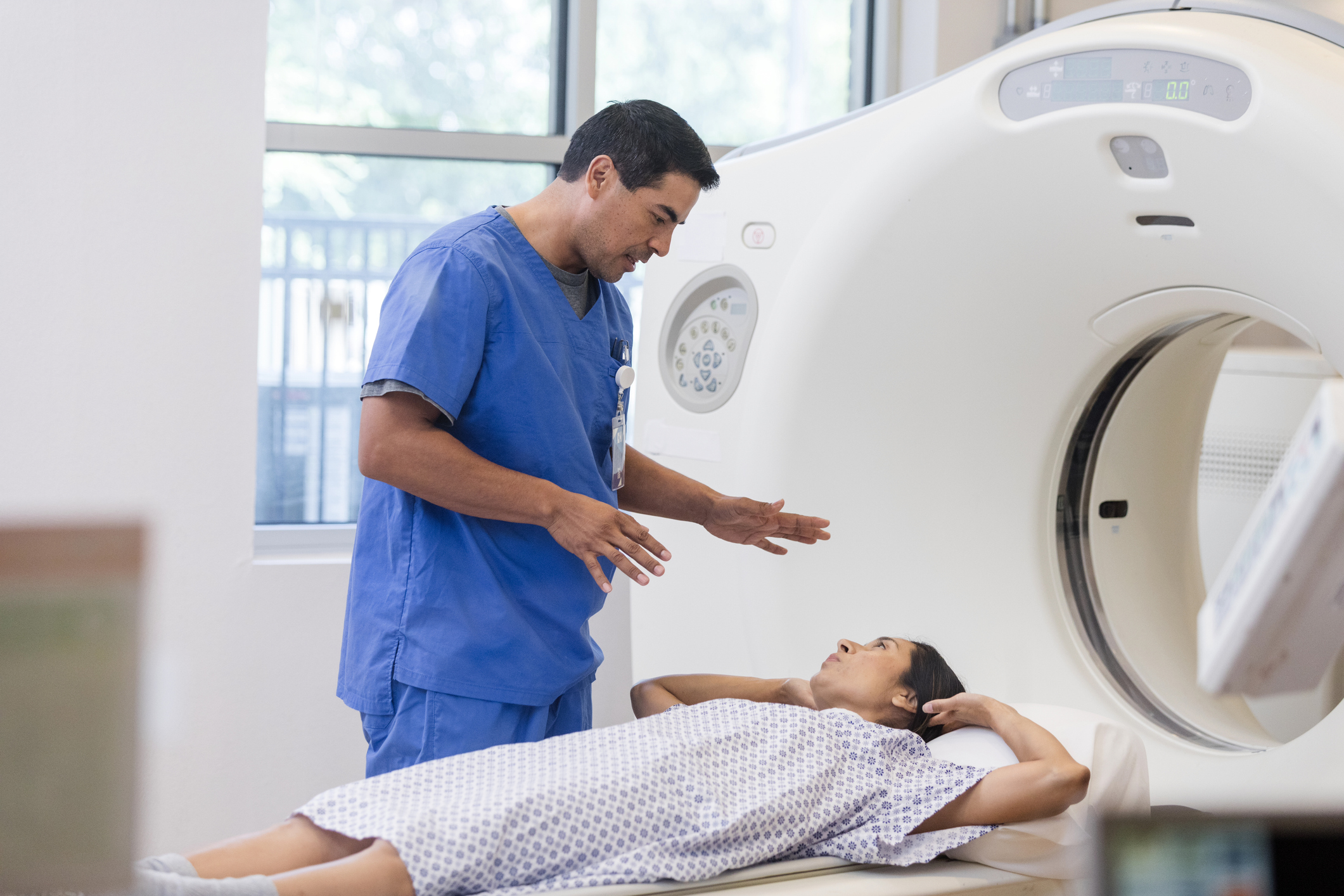
Volume-Rendering Computed Tomography, which creates highly accurate 3-D scans of internal organs, allowing physicians to properly stage the cancer and determine whether surgery is a good option. Only a few centers in Southern California have this advanced imaging technology.
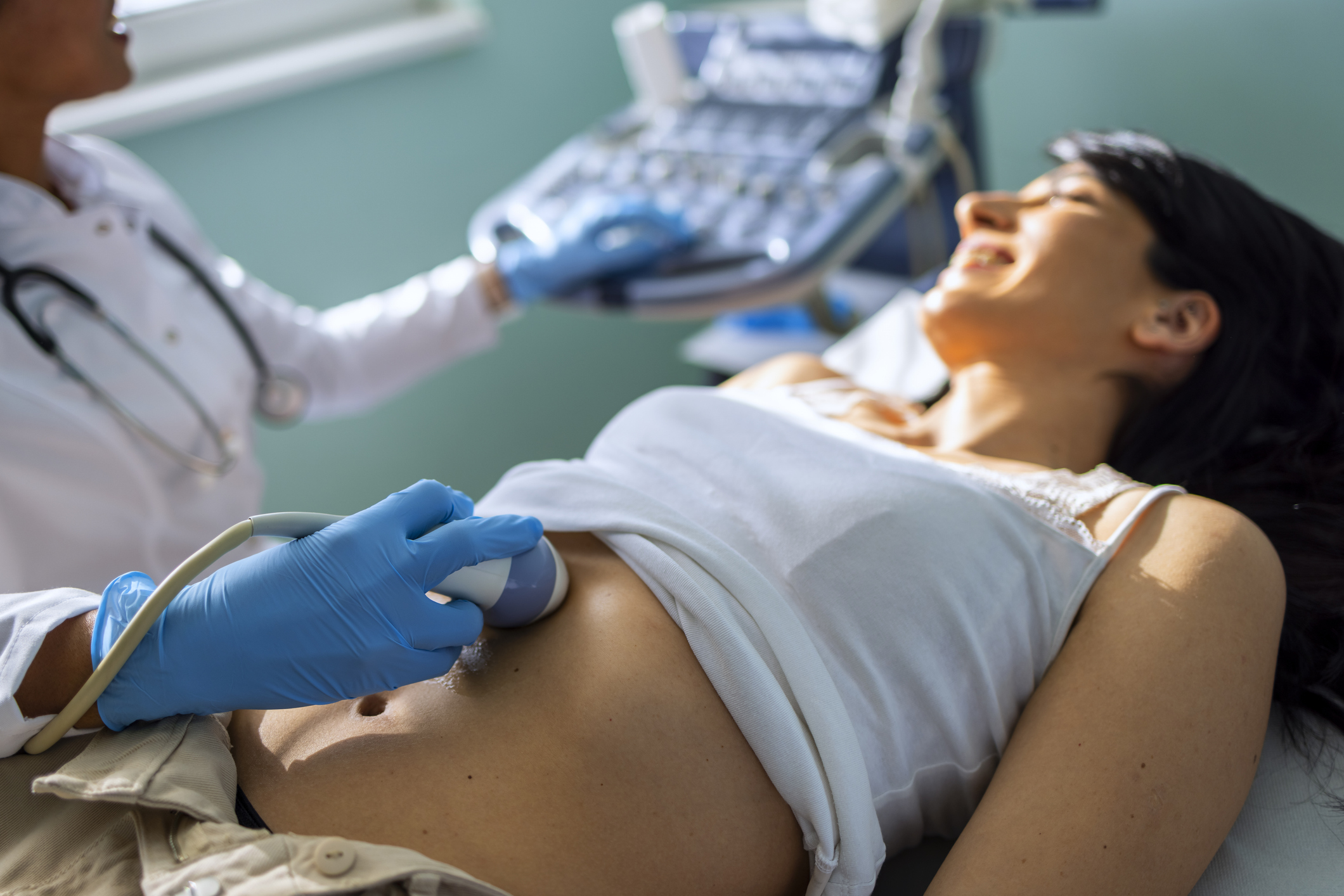
Endoscopic Ultrasound (EUS) which uses an ultrasound device inserted through small incisions to make images of the liver from inside your abdomen. The physician may also collect a tissue sample for study during EUS.
Biopsy is a procedure performed to definitively diagnose liver cancer. A small sample of tissue is removed so it can be examined for the presence of cancer in a lab. Biopsy can be done in several ways, including fine-needle aspiration, core needle biopsy or laparoscopically, in which instruments are inserted through small incisions in the abdomen.
Diagnostic Laparoscopy, which is a minimally invasive surgical procedure used to examine internal organs. Small incisions are made in the abdominal wall, and a thin, lighted tube called a laparoscope is inserted. This procedure allows the surgeon to directly view the liver and gather helpful information about internal structures.
Magnetic resonance imaging (MRI) scans.
If your doctor determines you have liver cancer, the next step is to determine how much the cancer has spread, which is called “staging.”According to the American Cancer Society, the system most commonly used for primary liver cancer staging is the American Joint Committee on Cancer (AJCC) TNM system. TNM is an acronym, which stands for:
Tumor: an evaluation of how far the primary tumor has spread, including whether there’s only one tumor, how large the tumor is, and whether it has reached nearby structures like the veins in the liver
Nodes: which evaluates how much the cancer has spread to nearby lymph nodes
Metastasis: which evaluates how far the cancer has spread in the body, including to other organs like the liver and lungs
Once a specialist has made a determination of these three factors, liver cancer is assigned an AJCC stage grouping. Find more on AJCC liver cancer staging here.
Proper diagnosis is key to developing the right treatment plan. Hoag is not only committed to accurate diagnosis, but provides exceptional care and treatment, all conveniently located in Orange County. At Hoag Family Cancer Institute, our Liver Cancer Team includes world-class surgeons, medical oncologists, hepatologists, radiation oncologists, advanced endoscopists and a complete supportive care team working together to help you heal and move forward. Learn more about Hoag’s specialized liver cancer team.
Looking for the most advanced diagnosis and treatment for liver cancer? Then look no further than Hoag. At Hoag Family Cancer Institute, our multidisciplinary team offers globally-recognized options for those facing this challenging disease, with treatments tailored to meet each patient’s specific needs.
With liver cancer, the potential for successful surgical intervention depends on several factors, including your age, state of overall health, the type of tumor and where it is located, etc.
Hoag is Orange County’s leader in next-generation surgery for liver cancer, including advanced robotic assisted surgeries and minimally-invasive procedures. Our team performs more liver surgeries than any other hospital in California — more than 1,000 per year — and does more liver transplants than any other center in Southern California. That’s experience that can make a big difference to your treatment and care. At Hoag, surgical options for liver cancer may include:
Open surgical procedures, which may include right lobectomy, left lobectomy, central resection, trisegmentectomy and wedge resection
Laparoscopic liver surgery, a minimally-invasive procedure in which instruments are inserted through small incisions in the abdomen
Robotic-Assisted liver surgery, a minimally-invasive procedure in which advanced robots assist in surgical procedures through small openings in the body.
At Hoag, we often combine techniques to hit complex conditions like liver cancer from all sides. In addition to surgery, non-surgical options for liver cancer at Hoag may include:
Histotripsy is a non-invasive, incisionless treatment that uses targeted ultrasound waves to wipe out cancer cells.
Radiofrequency ablation (RFA), which is an image guided technique that uses radio waves to heat and destroy cancer cells.
Arterial Chemotherapy, also known as Hepatic Artery Infusion, which increases the effectiveness of chemotherapy drugs by inserting a catheter into the hepatic artery and delivering drugs directly to a cancerous lesion inside the liver.
Transarterial Chemoembolization (TACE), which is a procedure that’s similar to Arterial Chemotherapy, but which also blocks the blood supply to arteries that feed the tumor. This allows for a higher and potentially more effective dose of chemotherapy drugs.
Yttrium-90 Radioembolization, in which radioactive microspheres are injected into the hepatic artery through a catheter. These microspheres lodge in smaller blood vessels that feed the tumor, cutting off blood flow to the cancer and then emitting radiation to kill tumor cells.
Intensity-Modulated Radiation Therapy (IMRT) which utilizes radiation beams of varying intensity, which are carefully tailored to the shape of the tumor through advanced software and 3D images. This allows the radiation to be more precisely focused on cancerous tissue.
Stereotactic Body Radiation Therapy (SBRT) which uses highly focused radiation for more precise treatment of tumors.
Hoag is committed to leading the way in state-of-the-art technologies and advanced treatment options. Part of this commitment includes clinical research with the goal of helping patients live longer, healthier lives. Through carefully planned clinical trials, researchers evaluate the safety and effectiveness of new ways to diagnose, treat and prevent diseases or conditions. Treatments studied in clinical trials might be new drugs or new combinations of drugs, new surgical procedures or devices, or new ways to use existing treatments.
Hoag is the top choice for cancer care in Orange County, with cancer survival rates that continually exceed national averages. Our dedicated, world-class teams are wholly focused on helping you survive cancer, heal and move forward with your life.
Liver cancer, sometimes known as hepatic cancer, begins in the liver, which is the large, two-lobed organ that lies just below your ribs. The liver has many important functions, including breaking down and helping excrete waste in the blood, producing clotting factors and breaking down the nutrients your body produces from food.
When changes in the liver cause cells to mutate and replicate out of control, this can cause liver cancer. Any cancer that starts in the liver is called primary liver cancer.
It’s common for other types of cancer to spread to the liver, including breast, lung, pancreatic, stomach, esophageal, skin and colon cancers. When cancer spreads to the liver from another part of the body, the condition is called secondary liver cancer or metastatic cancer and usually referred to according to where the cancer originated. For example, if cancer spreads to the liver from the breast, any resulting cancer found in the liver is called “metastatic breast cancer.”
According to the American Cancer Society, the most common type of primary liver cancer is Hepatocellular Carcinoma (HCC).
Some cases of hepatocellular carcinoma begin as a single tumor that grows larger and spreads to other parts of the liver. Other cases, however, start as nodules scattered throughout the liver, which is mostly seen in patients with chronic liver damage, also known as cirrhosis of the liver.
There are additional subtypes of HCC. According to the American Cancer Society, these include:
Intrahepatic cholangiocarcinoma, AKA bile duct cancer, which makes up between 10 and 20 percent of all cancers that start in the liver according to the ACS. These cancers start in the tubes inside the liver that carry a digestive enzyme called bile to the gallbladder.
Angiosarcoma and hemangiosarcoma, which are rare forms that begin in the lining of blood vessels inside the liver.
Hepatoblastoma, which is a very rare liver cancer that sometimes develops in children under 4 years old in which abnormal cells that are similar to fetal liver cells begin to replicate out of control.
Liver cancer is particularly dangerous in that it often presents few or no symptoms until after it has spread. According to the American Cancer Society, symptoms of liver cancer can include:
Itchy skin
Unexplained or abnormal bleeding or bruising
Unexplained weight loss
Enlarged veins on the abdomen that can be seen through the skin
Loss of appetite
Unexplained or recurring fever
Vomiting and nausea
Swelling or a feeling of fullness under the ribs, which may be the result of an enlarged liver or spleen
Jaundice, which is a yellowing of the eyes and skin
Swelling of the abdomen, which may be caused by fluid build-up
In addition, some liver tumors may affect the production of hormones, which can have impacts on other organs. According to the ACS, these hormonal changes may cause:
High levels of calcium in the blood (AKA hypercalcemia), which can cause unexplained nausea, mental confusion, constipation, fatigue or muscle issues.
Low blood sugar (AKA hypoglycemia) which can cause fatigue and unexplained fainting
Breast enlargement and testicle shrinkage in men
High levels of red blood cells, which can cause a person’s face to look flushed
Unexplained high cholesterol
According to the American Cancer Society, the annual rate of liver cancer diagnosis in the U.S. has more than tripled since 1980. Though the root cause of liver cancer is still unknown, there are a number of factors that are believed to raise your risk of developing liver cancer. These include:
Having cirrhosis, which is a disease that causes scar tissue to form inside the liver. Cirrhosis has several potential causes, but is most often due to people having a long-term hepatitis infection or abusing alcohol. According to the American Cancer Society, most people who develop liver cancer show signs of cirrhosis
Abusing alcohol, which is the leading cause of cirrhosis in the U.S.
Smoking
Being obese
Long-term abuse of anabolic steroids
Exposure to vinyl chloride, which is a chemical used in the plastics industry.
Exposure to thorium dioxide, aka Thorotrast, which is a chemical that was once injected into patients in preparation for some x-ray imaging tests.
Having Type 2 diabetes
Your gender, as HCC is much more common in men than women.
Your race and ethnicity, as Asian Americans, Pacific Islanders, Hispanics, Native Americans and African Americans all have a higher liver cancer diagnosis rate than caucasians.
Being diagnosed with chronic viral hepatitis, as chronic, long-term infection with the hepatitis B or C virus is the most common risk factor for liver cancer worldwide according to the American Cancer Society.
Having non-alcoholic fatty liver disease, which is a condition commonly seen in people who are obese. Those with a subtype of the disease called non-alcoholic steatohepatitis (NASH) may develop cirrhosis, which may increase their risk of developing primary liver cancer.
Having primary biliary cirrhosis, an autoimmune disorder that damages the bile ducts in the liver and which can lead to cirrhosis.
Having certain metabolic diseases, including hereditary hemochromatosis.
Ways to reduce your risk of developing liver cancer may include:
Use alcohol in moderation
Avoid Type 2 diabetes by cutting sugar and eating a healthy diet.
Avoid being overweight by eating a healthy diet and getting regular exercise to avoid being overweight. Here at Hoag, we offer help with weight management to help reduce this risk and others that come with being overweight.
Don’t smoke
By submitting this request, you agree to receive communications from Hoag and accept our Privacy Policy and Terms of Use.