Epilepsy Program
520 Superior Ave, Suite 205, Newport Beach, CA 92663
- About
- Diagnosis
- Treatments
- Epilepsy Monitoring Unit
- Education & Resources
- FAQs
- Meet the Team
Frequently Asked Questions
Hoag is a Level 4 Epilepsy Center, the highest accreditation for epilepsy care. Our team includes three full-time epileptologists, a functional neurosurgeon, and specialized nurses and technologists. We combine advanced diagnostics, personalized treatment, and compassionate care to help patients achieve the best possible outcomes.
The first step is a detailed discussion with one of our epilepsy specialists (epileptologists). Your doctor will ask questions about your seizure history, symptoms, and any warning signs you may notice before an episode. This information helps us decide which tests are needed to confirm a diagnosis.
Our specialists use a variety of advanced tools, including:
Electroencephalogram (EEG): Records brain activity.
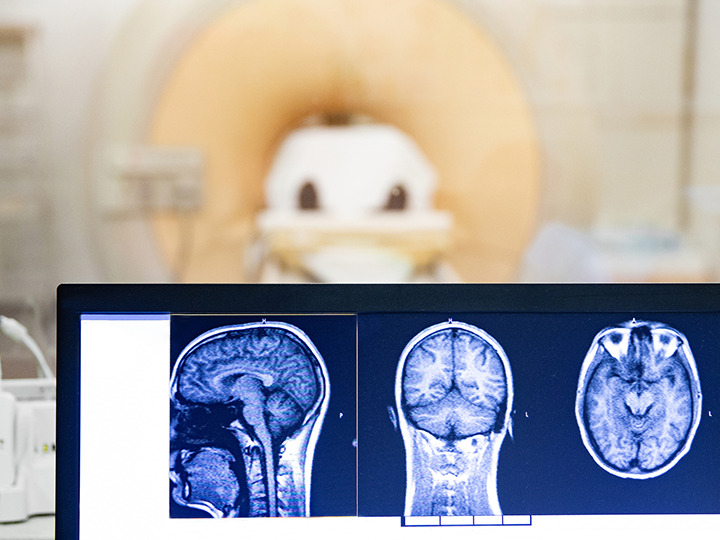
MRI and fMRI scans: Provide detailed images of the brain.
PET, MEG, and SPECT scans: Show brain function and metabolism.
Epilepsy Monitoring Unit (EMU): Allows doctors to safely observe and record seizures
An EMU is a specialized hospital unit where patients stay under continuous video and EEG monitoring. This allows doctors to see exactly what happens during a seizure, determine whether seizures are epileptic, and identify where in the brain they start.
There are many things that can cause increased risk of seizures in people that are prone to seizures. People with epilepsy should not drink alcoholic beverages or do illicit drugs. Doing so will increase the risk of seizures significantly. Many people with epilepsy have identified certain things that seem to increase the number or severity of their seizures. Sometimes these connections are just coincidences, but in many cases a link has been proven between these factors (also called triggers) and the occurrence of seizures.
Examples of typical seizure triggers include: lack of sleep, skipping a meal, or increased stress.
Many conditions can mimic epilepsy, such as fainting, sleep disorders, or movement disorders. An accurate diagnosis ensures you receive the right treatment and avoid unnecessary medications.
About two-thirds of people with epilepsy achieve good seizure control with medications. For the one-third of patients with drug-resistant epilepsy, advanced options such as surgery, neurostimulation, or dietary therapy may be recommended.
People who have recently had a seizure or are having active seizures should not drive. However, people with epilepsy whose seizures are fully controlled with medication can qualify to drive. With close follow-up with a neurologist, you can often drive after being seizure-free for a period of time. The physician will work with you to help you drive as soon as your seizures are controlled and there is no risk of losing consciousness from seizures.
If driving is not an option, alternatives such as using public transportation, signing-up with local services for the elderly or disabled, or even moving to an apartment complex or community that has its own transportation may be among the alternatives.
Women with seizures and on seizure medication can get pregnant. However, certain medications can cause harm to an unborn child. There are many medications that are safe and supplements can be taken to decrease the risk of certain birth complications associated with epilepsy medication. The neurologist should be made aware of any upcoming planned pregnancy. The doctor will work with your obstetrician to provide individualized counseling or make changes to current medications.