Understanding your A1c: What we can do before a diabetes diagnosis

Many patients are surprised when they see their A1c level for the first time—especially if they feel well.
Understanding what this number means can help you take action early and, in many cases, prevent or delay the development of type 2 diabetes, says Dr. Alexis Goswitz, a Hoag family medicine physician.
What is an A1c?
Your A1c (also called hemoglobin A1c) is a blood test that reflects your average blood sugar over the past two to three months. Unlike a single fasting glucose reading, it shows long-term patterns.
In general, here is what readings mean:
Normal:
below 5.7%
Prediabetes:
5.7%–6.4%
Diabetes:
6.5% or higher (confirmed with repeat testing)
An A1c in the prediabetes range does not mean you have diabetes—but it does signal increased risk.
Why A1c matters
Elevated blood sugar over time can quietly damage blood vessels and organs long before symptoms appear. That’s why identifying changes early is so important. Prediabetes often has no symptoms, but it is a window of opportunity for prevention.
What we can do before diabetes develops
If your A1c is elevated, your primary care physician can help you focus on proven strategies, including:
Nutrition changes that improve blood sugar stability
Regular physical activity, even moderate increases
Weight management when appropriate
Improving sleep and stress management, which affect glucose regulation
Monitoring trends over time, not just a single number
In some cases, medication may be discussed—but lifestyle changes remain the foundation of prevention.
Remember…
An elevated A1c is not a diagnosis—it’s information. With early awareness and a personalized plan, many people can stabilize or even improve their numbers and reduce their risk of developing diabetes.
Learn more about Hoag’s newest primary care physicians and the Mary & Dick Allen Diabetes Center.
Related Articles
Article
Head of Hoag’s Women’s Health Institute shares her battle with triple-negative breast cancer- October 5, 2026 · 6 min read

Article
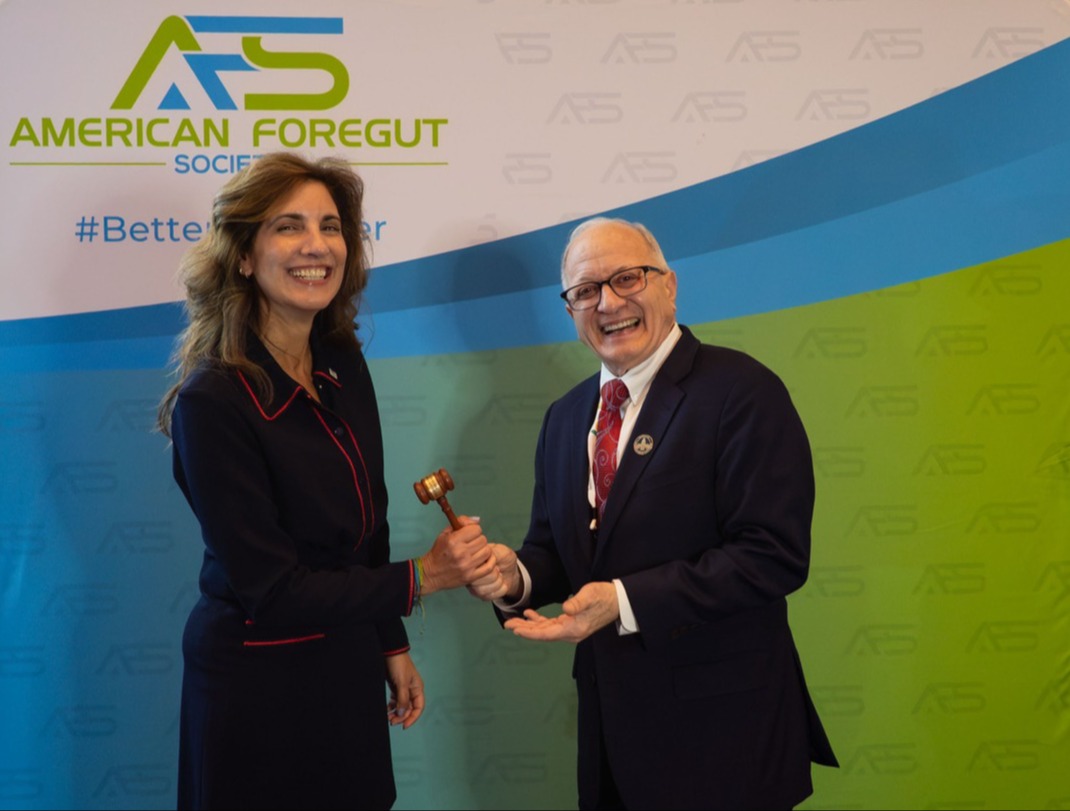
Hoag’s Dr. Christy Dunst Named President of the American Foregut Society- September 28, 2026 · 3 min read
Article
Sober curious? Here’s what happens when you cut back on alcohol- September 28, 2026 · 3 min read