The truth about high-protein diets: What you need to know
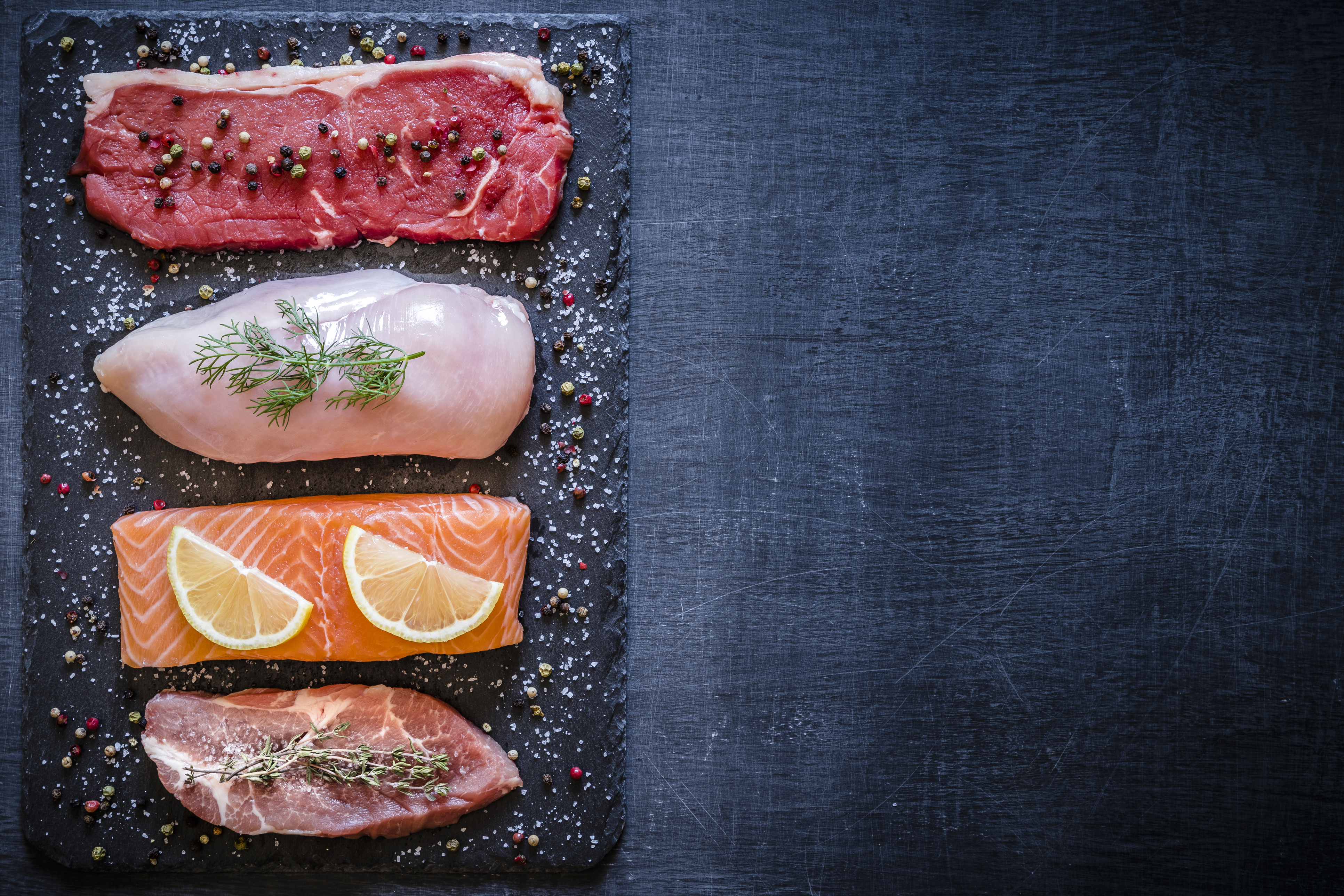
If your social media feed seems packed with protein powders, bars and recipes, you’re not alone. Protein is having a major moment—but do these products and extreme high-protein diets really live up to the hype? According to Kirsten Bohrnell, RD, CDCES, a dietitian at Hoag’s Mary & Dick Allen Diabetes Center, the short answer is…it depends.
“Protein is essential for building and maintaining muscle mass, fighting infection, promoting satiety, and carrying essential nutrients around the body, but that doesn’t mean more is always better,” Bohrnell says.
What counts as a high-protein diet? There’s no single, universal definition of a “high-protein” diet. For most healthy adults, the recommended dietary allowance is 0.8 grams of protein per kilogram of body weight. That’s about 55 grams a day for someone who weighs 150 pounds.
For those who regularly exercise, are actively losing weight or taking medications that accelerate weight loss, a slightly higher intake—around 1.2 to 1.5 grams per kilogram—can help preserve lean muscle mass.
The risks of going too high Diets that focus heavily on animal proteins like red meat, high-fat dairy and other saturated fats can raise cholesterol levels and increase heart health risks over time.
“Some of these social media diets cut out entire food groups or encourage eating nothing but meat and eggs,” Bohrnell says. “Even if you lose weight in the short term, you might be missing out on essential nutrients or harming your cardiovascular health.” She points out that popular plans like the keto or carnivore diet were never intended for general, long-term weight loss. In fact, the keto diet was originally developed for people with epilepsy.
“There’s just not enough research to recommend these diets for the average person,” she says. “They may initially promote weight loss, but that doesn’t mean they’re healthy or sustainable.”
What a balanced plate looks like
Instead of cutting out carbs or overloading on protein, Bohrnell recommends a balanced approach that includes:
Lean proteins like grilled skinless chicken, turkey, fish, low-fat dairy and egg whites
Plant-based proteins such as quinoa, lentils, beans, tofu and edamame
Low-fat dairy options including Greek yogurt and cottage cheese
Whole grains and produce to provide fiber, vitamins and minerals
Bottom line: Balance over extremes
No single diet or macronutrient holds the key to lasting health.
“When I talk to patients, I always remind them not to overthink it,” says Bohrnell. “It’s about finding a balanced plan you can maintain long term, getting back on track when you slip, and making choices that support your whole body—not just your weight.”