Pelvic floor health: What every expecting mom should know
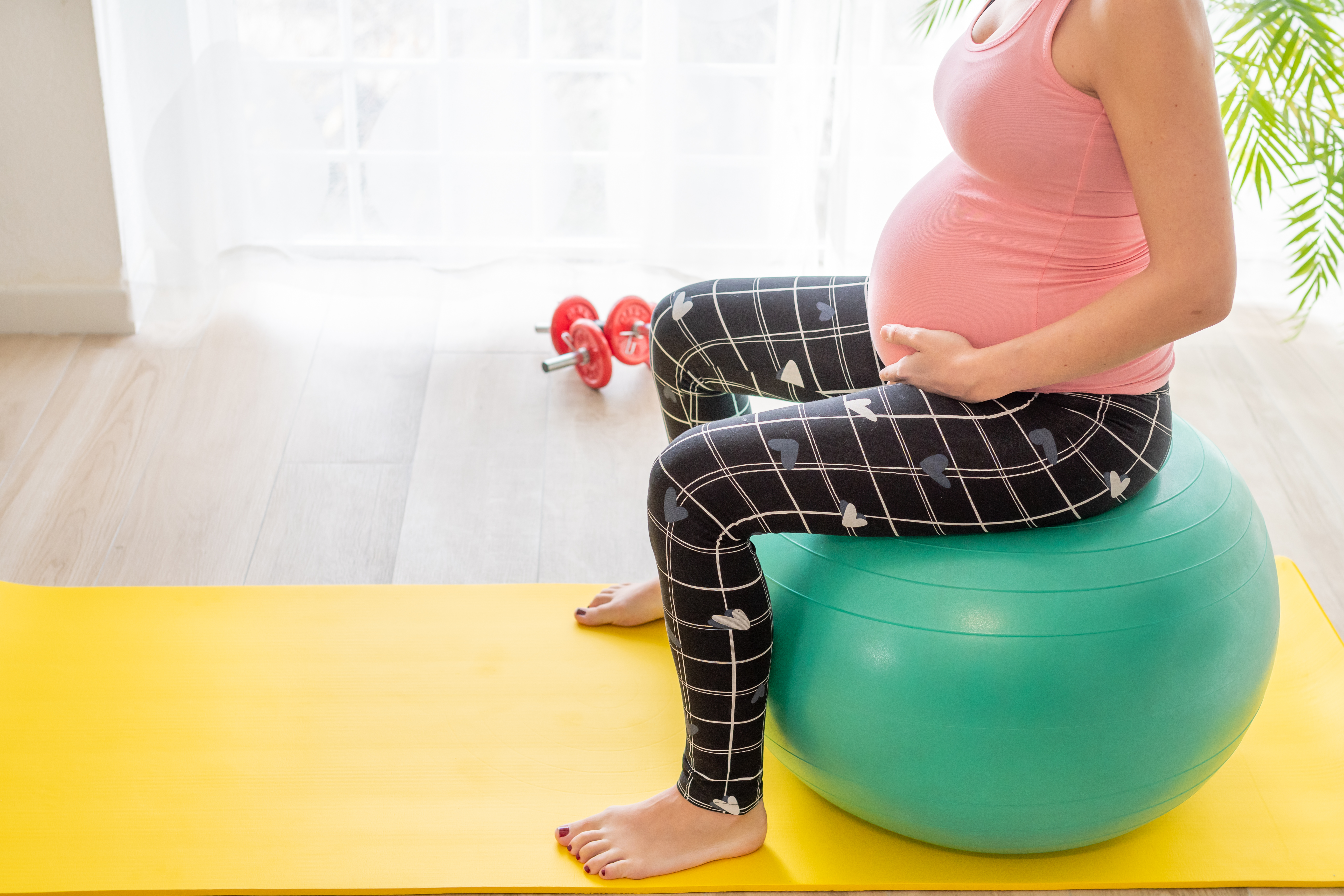
If you are expecting a child or are a new mom, you already know that pregnancy completely changes your body.
Muscles. Nerves. The connective tissue of the pelvic floor. Pregnancy affects all these things, and over time, those changes can lead to pelvic floor weakness or even dysfunction.
“Pelvic floor dysfunction is the inability to control and coordinate the muscles of the pelvic floor, which support the uterus, bladder and rectum,” said Dr. Leah Nakamura, a Hoag urologist who specializes in pelvic medicine and reconstructive surgery. “Symptoms can include urinary and/or fecal incontinence, pain with intercourse, prolapse and lower back and pelvic pain.”
For some, postpartum pelvic floor issues resolve over time. But others experience symptoms that persist for years, negatively impacting their quality of life. Dr. Nakamura recommends that the best time to address postpartum pelvic floor issues is before giving birth.
“Working with her obstetrician, we encourage women to prepare their pelvic floor for delivery and postpartum care during pregnancy,” Dr. Nakamura said. “This can help her build strength, energy and confidence after the baby arrives.”
Hoag’s Pelvic Health Program is part of a comprehensive offering that includes maternal mental health specialists, registered dieticians and other care experts who focus on an expecting mother’s holistic health.
“A healthy, prepared woman is better positioned to care for her baby,” Dr. Nakamura said.
How can a woman prepare her pelvic floor for childbirth?
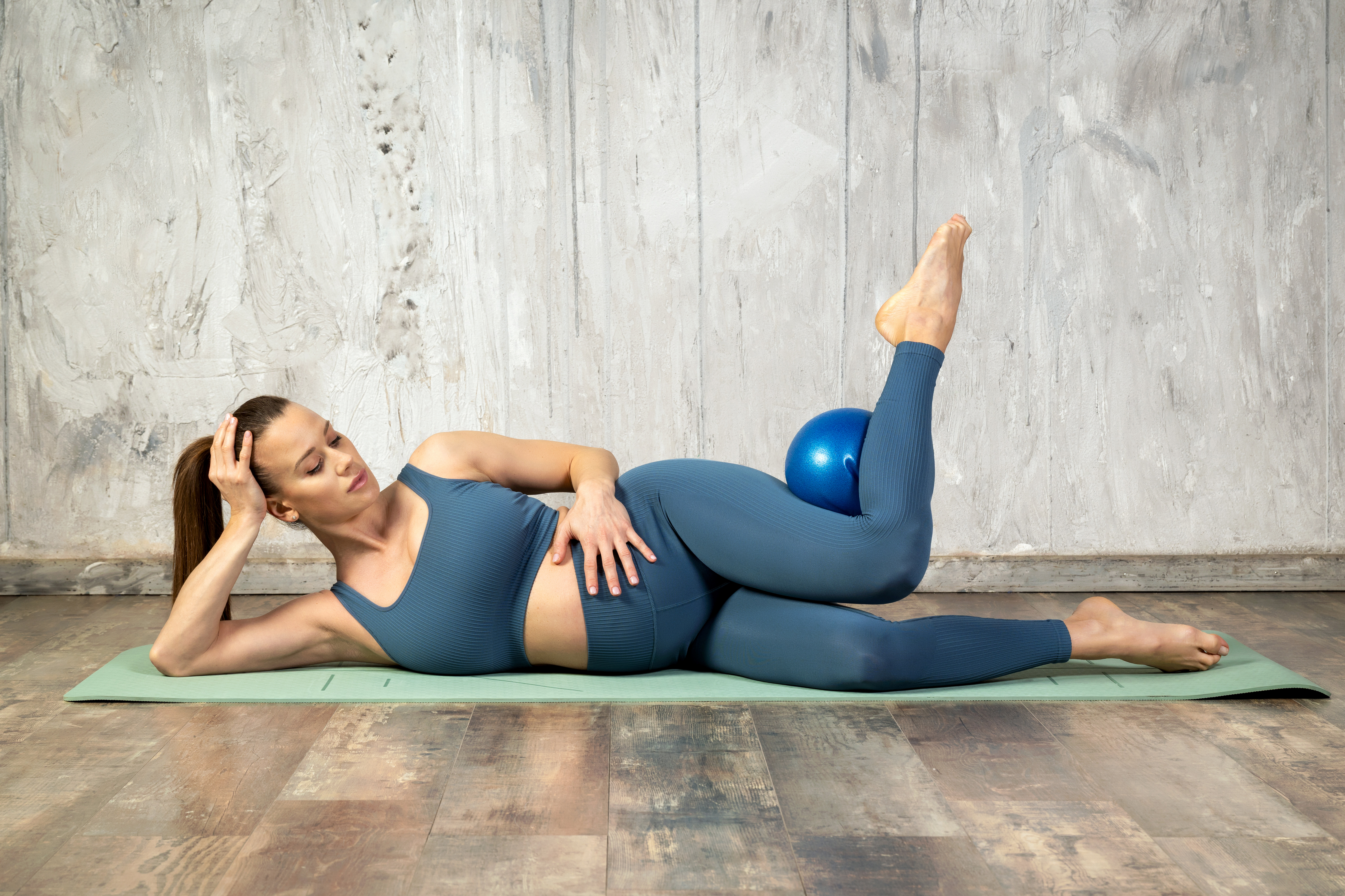
Stay active. Unless a woman is on bedrest or has other medical issues, activities like walking, prenatal yoga and prenatal Pilates can help expecting mothers build strength and stamina prior to labor.
Learn pelvic floor exercises or Kegels. The most well-known pelvic floor exercise, Kegels, helps tone pelvic floor muscles before and after childbirth. To do them, simply contract your muscles, as if you are trying to stop the flow of urine. Hold the contraction for three to 10 seconds, then relax and repeat up to 10 times.
Talk to a pelvic floor physical therapist. Hoag’s team of dedicated physical therapists, who specialize exclusively in pelvic floor conditions, are uniquely trained not only to address pelvic floor issues but also help women prevent them through appropriate prenatal and postpartum exercises and treatments.
“Just as expecting mothers focus on eating the right foods and educating themselves about breastfeeding and childrearing, it is important to plan ahead for pelvic floor health,” Dr. Nakamura said. “It’s all part of preparing to care for a newborn—while also taking care of yourself.”
Learn about Hoag’s comprehensive women’s health services.