Ice baths, compression, and stretching—when it comes to recovery, what works best?
With the Hoag OC Marathon Running Festival just around the bend (May 2-3 in Costa Mesa), runners of all ages and levels are training hard, stretching, and carbohydrate loading in preparation for a fun and challenging weekend.
After all the preparation that goes into a race, what should a runner do after crossing the finish line?
“Recovery is an important part of endurance sports. What athletes do after a race or competition is often just as critical to their overall health as the work they put into training,” says Dr. Andrew Mock, Medical Director of Hoag Compass and a four-time winner of California’s Strongest Man.
Dr. Mock separates recovery myths from evidence-based practices so athletes can take the right steps to go the distance.
Keep moving. Trainers often say that the best way to recover after a big athletic event is to “rest,” but that advice can be misleading if it’s not clearly explained.
“While quality sleep is essential for muscle repair and overall health, I advise against using the word ‘rest’ from an exercise perspective,” Dr. Mock says. “When people hear that, they assume they should completely stop moving. In reality, recovery often means staying lightly active. Easy walking, gentle movements like ankle circles or bodyweight squats, and light strengthening or stretching exercises performed comfortably through a full range of motion can help support recovery without adding unnecessary fatigue.”
Muscle soreness, stiffness, and general fatigue are common in the days following a long race. Light, unstructured movement—such as walking, casual cycling, or recreational activity—can help support circulation and make it easier to transition out of a highly structured training cycle.
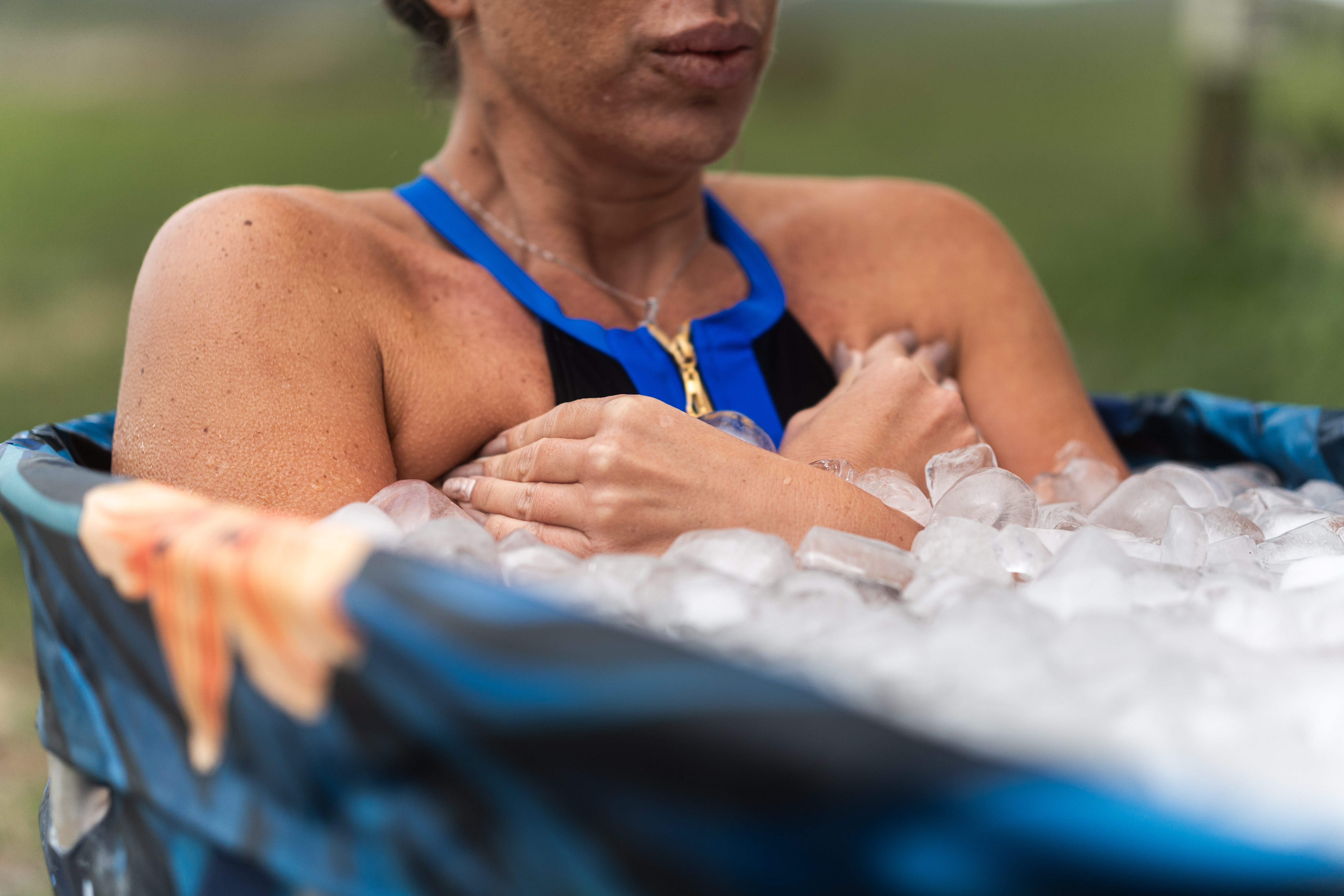
Go easy on the ice. Ice baths have become increasingly popular among runners and other endurance athletes. Cold therapy can help reduce pain and inflammation after intense activity. But inflammation is also part of the body’s natural response to stress, so overusing ice may interfere with some aspects of recovery.
That’s why it’s important to pay close attention to the signals your body is sending. Some soreness after a race is normal. Pain is not.
“If you are experiencing sharp, stabbing, or sudden pain that limits normal movement—especially if it lasts more than 24 to 48 hours—that might be a sign of injury, and you should consult your physician,” Dr. Mock says.
Eat. It is natural to not feel hungry after a race, but gradually refueling with balanced meals that include carbohydrates, protein, and nutrient-rich foods can help support recovery. Combining carbohydrates and protein from familiar meals—such as eggs and toast, rice and beans, yogurt with fruit, a simple smoothie, or leftovers from a regular dinner—can help replenish glycogen stores and support muscle repair. Staying well hydrated and replacing fluids lost through sweat are also essential parts of recovery.
“We used to emphasize nutrient timing around exercise, which people referred to as the ‘anabolic window’ for muscle building,” Mock says. “It was believed that you had a very short period after a workout to consume nutrients or risk compromising recovery and performance. But newer research shows that what matters most is your overall nutrition and hydration across the day.”
After long races, some runners may experience nausea, bloating, or changes in bowel habits. Starting with smaller, simple meals and easing back into normal eating patterns can help the digestive system gradually return to normal. Celebrating after a race is part of the experience, but easing back into larger meals and drinks can help your body recover more comfortably.
Consider compression boots. Compression boots and garments have become a popular recovery tool among endurance athletes. By applying intermittent or sustained pressure to the legs, they may help reduce feelings of heaviness and promote comfort after prolonged activity.
“Some athletes find compression tools helpful, especially during periods of frequent training or racing,” Dr. Mock says. “While responses can vary, many runners feel they improve comfort and reduce leg fatigue during recovery.”
For runners who do not have access to compression devices, simple strategies such as light movement, leg elevation, and gradually returning to training can provide similar support.
Take a mental break. Recovery after a major race is not only physical—it is also psychological. Months of structured training can be mentally demanding, and many runners benefit from stepping away from rigid schedules and performance goals for a short period.
Spending time on enjoyable, low-pressure activities such as hiking, swimming, cycling, recreational sports—or even finally prioritizing strength training—can help maintain fitness while allowing both the body and mind to recharge.
“Even runners who are planning their next race may benefit from a brief shift toward unstructured or cross-training activities,” Dr. Mock says. “This can help reduce burnout, lower injury risk, and support long-term consistency in training.”
Learn more about how Hoag Compass is redefining strength for Orange County.
Related Articles
Article
Head of Hoag’s Women’s Health Institute shares her battle with triple-negative breast cancer- October 5, 2026 · 6 min read

Article
Hoag’s Dr. Christy Dunst Named President of the American Foregut Society- September 28, 2026 · 3 min read
Article
Sober curious? Here’s what happens when you cut back on alcohol- September 28, 2026 · 3 min read