Hantavirus headlines are back: What you need to know
Due to a recent outbreak linked to a cruise ship, headlines about hantavirus have reemerged, leaving many people asking the same question: How concerned should I actually be?
Though hantavirus remains rare in the United States, health experts say awareness matters because the illness can become severe very quickly, especially if symptoms are overlooked or exposure risks go unrecognized.
Dr. Philip Robinson, Medical Director of Infection Prevention and Hospital Epidemiology at Hoag, shares the latest things to know about the virus, including how it spreads, what symptoms to watch for and best practices for protecting yourself and your family.
What is hantavirus?
Hantaviruses are a family of viruses primarily spread by rodents.
“In the U.S., the most recognized form is hantavirus pulmonary syndrome (HPS), a rare but potentially life-threatening illness that affects the lungs,” Dr. Robinson says.
Most U.S. cases are linked to exposure to infected deer mice and their urine, droppings or saliva. People typically become infected when contaminated particles become airborne and are inhaled. Although rare, hantavirus infections can become serious very quickly and require urgent medical attention.
In May 2026, health officials began responding to an outbreak involving Andes virus, a strain of hantavirus associated with a cruise ship outbreak outside the U.S. What makes Andes virus different is that it is one of the few hantavirus strains known to occasionally spread from person to person through close contact.
However, most hantavirus infections in the U.S. do not occur this way and are primarily linked to rodent exposure.
Cases remain rare—but California has seen infections
Hantavirus is uncommon, but California has reported cases over the years, particularly in areas with higher rodent activity, including mountain and rural regions. Yosemite National Park has long educated visitors about hantavirus risks because deer mice are common in the area.
According to CDC data, fewer than 900 hantavirus disease cases were reported in the United States between 1993 and 2023.
Even though the numbers are low, health experts continue to stress prevention because the illness can be severe.
Early symptoms can feel like the flu
“One reason hantavirus can be dangerous is that symptoms often begin with what feels like a routine viral illness,” Dr. Robinson says.
Early symptoms may include:
Fever
Fatigue
Muscle aches
Headache
Chills
Nausea or vomiting
“As the illness progresses, some people develop coughing and shortness of breath as fluid builds up in the lungs,” Dr. Robinson says. “Anyone experiencing worsening breathing symptoms after possible rodent exposure should seek medical care promptly.”
The highest-risk situations may surprise people
Many people associate hantavirus risk with camping, but experts say exposure more commonly happens in enclosed spaces where rodents have been active.
Higher-risk situations can include:
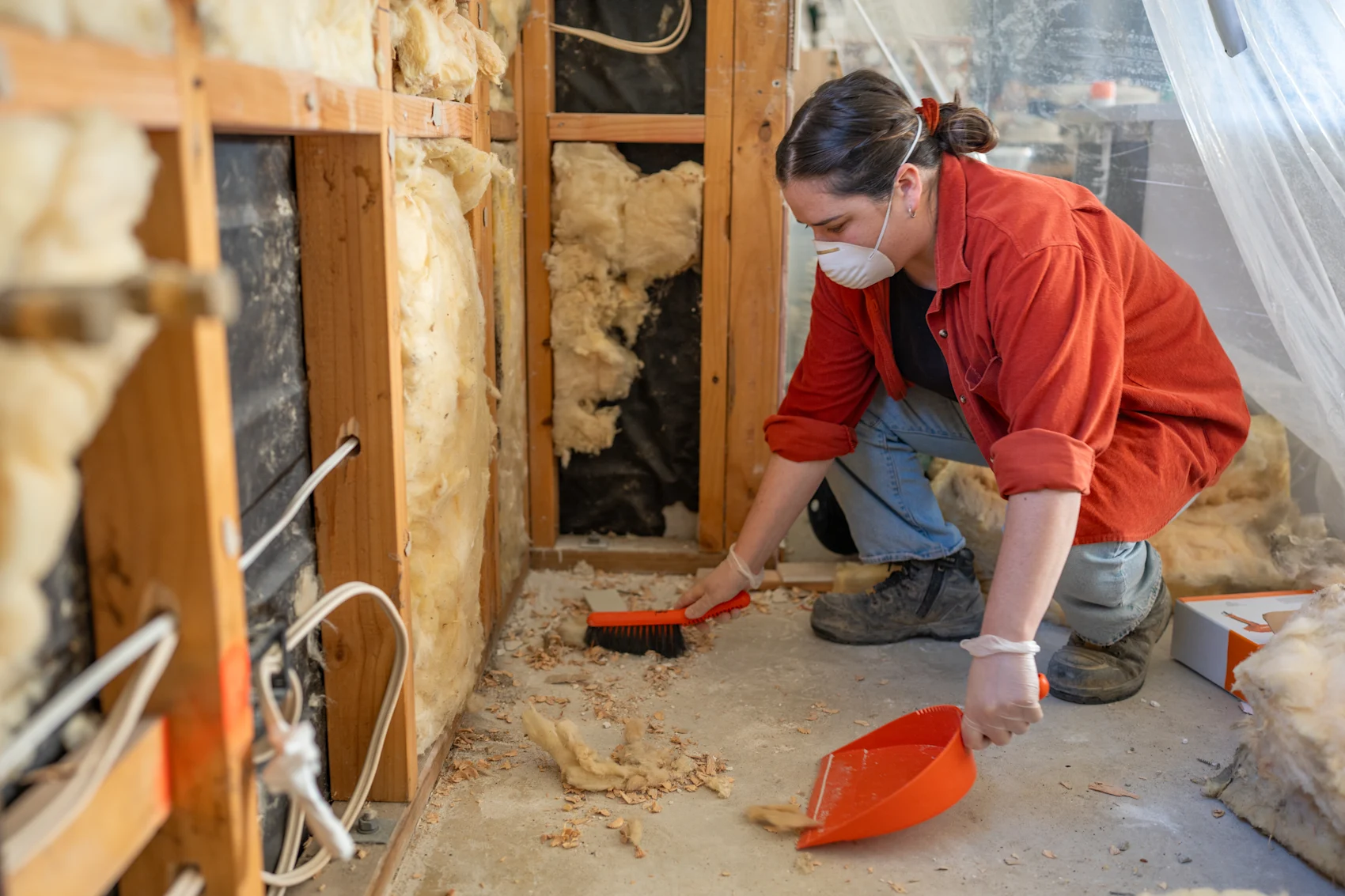
Cleaning garages, sheds or attics with rodent droppings
Opening cabins or vacation homes that have been closed for long periods
Sweeping or vacuuming rodent waste
Disturbing nesting materials in poorly ventilated spaces
The CDC warns against dry sweeping or vacuuming rodent droppings because it can push virus particles into the air.
Prevention is focused on rodent control and safe cleanup
The best protection against hantavirus is reducing exposure to rodents and cleaning carefully when rodent activity is present.
Health experts recommend:
Sealing holes or openings where rodents can enter
Storing food in rodent-proof containers
Wearing gloves when cleaning contaminated areas
Spraying droppings with disinfectant before cleanup
Avoiding sweeping or vacuuming dry rodent waste
Ventilating enclosed spaces before cleaning
These precautions are especially important in cabins, garages, sheds and storage areas.
Awareness matters more than panic
“Hantavirus infections remain rare, and most people are not at high risk,” Dr. Robinson says, “but understanding how the virus spreads—and knowing when to seek care—can make a meaningful difference.”
If you develop flu-like symptoms after possible rodent exposure, especially symptoms that progress to shortness of breath, it’s important to contact a healthcare provider promptly.
For people spending time outdoors this summer, cleaning storage spaces or traveling to mountain areas, a few simple precautions can go a long way toward reducing risk.
Related Articles


Article
How breast imaging is evolving to support more personalized care- October 19, 2026 · 4 min read