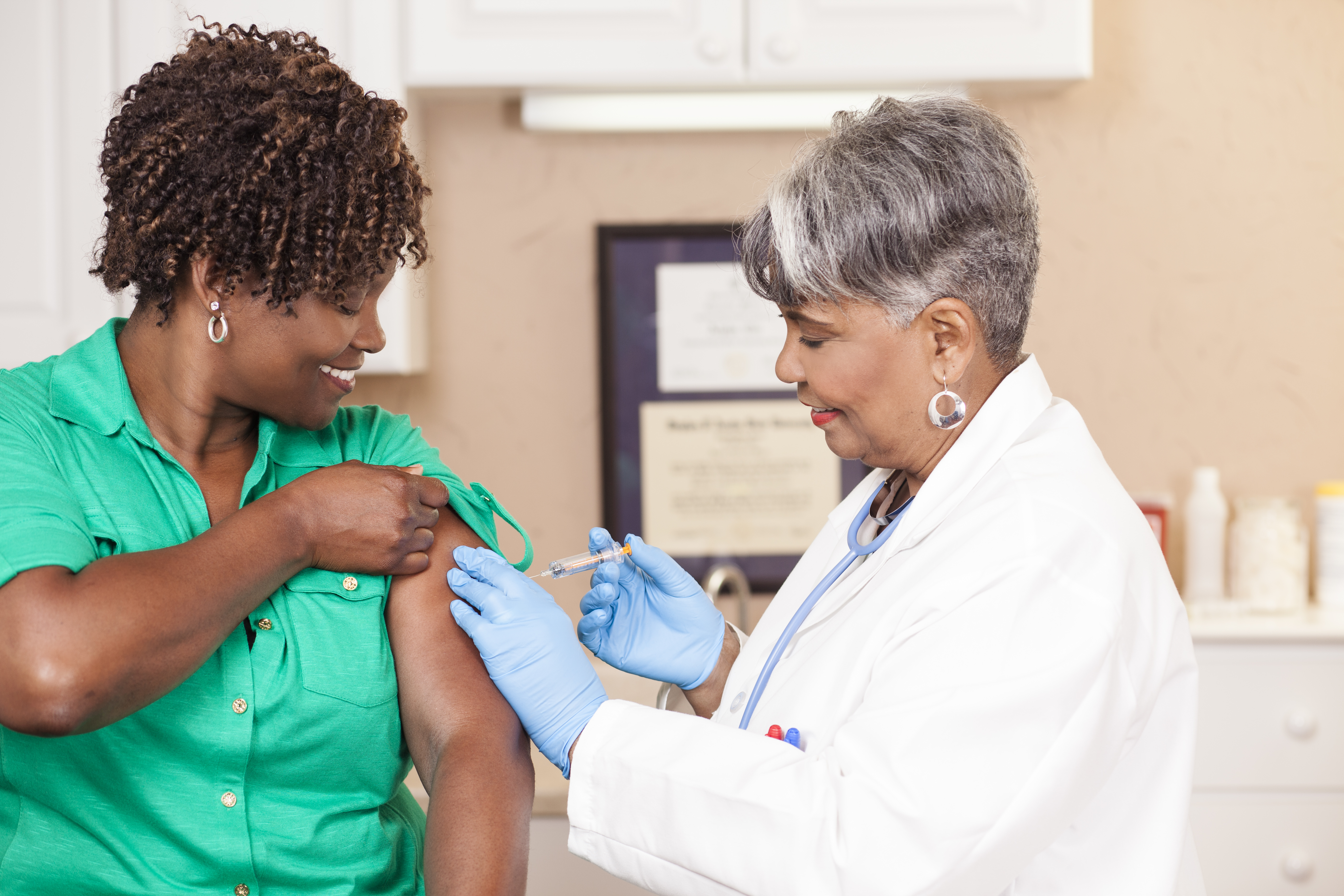
7 simple nutrition tips to support breast health
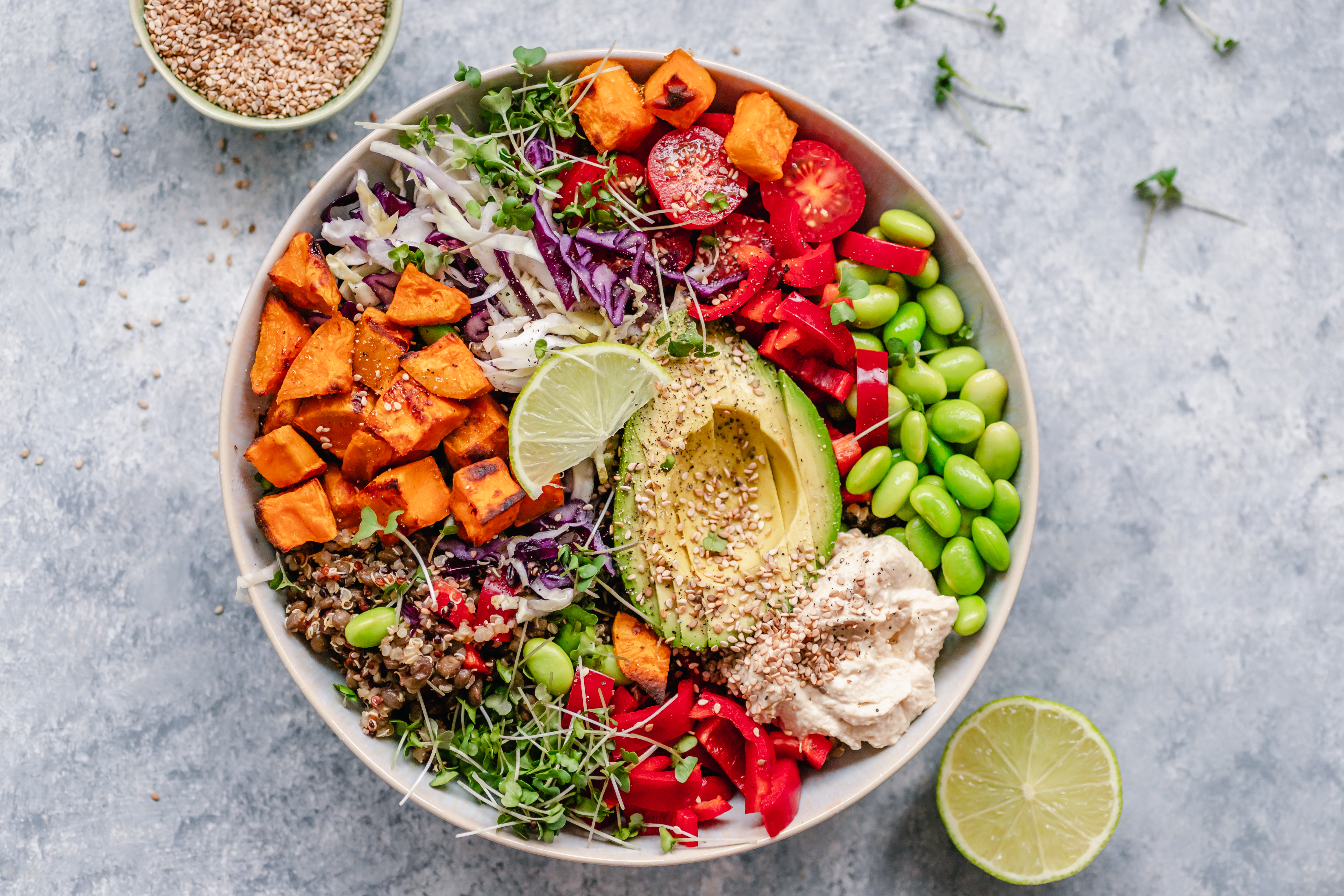
When it comes to breast health, what you eat is one part of the bigger picture. Although no single food can prevent breast cancer, research suggests that overall eating patterns and lifestyle habits can influence cancer risk and support health during and after treatment.
The good news? Supporting breast health doesn’t require a restrictive diet or eliminating all your favorite foods.
Below, Leslee Ortiz, RD, a clinical dietician at Hoag, shares seven ways to get started:
1. Fill your plate with fruits and vegetables
“Fruits and vegetables provide vitamins, minerals, fiber and naturally occurring compounds called polyphenols,” says Ortiz. “Many of these compounds have antioxidant and anti-inflammatory properties that researchers are studying for their potential role in cancer prevention.”
Ortiz recommends incorporating a variety of colorful produce into meals, including berries, leafy greens, broccoli, cauliflower, tomatoes and citrus fruits.
Fresh, frozen and canned produce can all be nutritious options. Organic fruits and vegetables are another choice if they fit your budget, but conventional produce offers important health benefits, too.
Try this: Add berries to breakfast, include a side of vegetables at lunch and dinner, or keep washed fruit handy for snacks.
2. Choose whole grains, beans and other fiber-rich foods
Whole grains and legumes are important components of a balanced, plant-forward diet. They provide fiber and other nutrients that support digestive and metabolic health.
Choose foods such as oatmeal, brown rice, quinoa, whole-wheat bread, lentils, chickpeas and black beans more often. Ground flaxseed is another easy addition to oatmeal, yogurt or smoothies.
“Soy foods, including tofu, edamame and soy milk, can also be part of a healthy eating pattern,” Ortiz says. “Despite common concerns, current evidence does not support avoiding ordinary soy foods because of breast cancer risk.”
Try this: Swap refined grains for whole grains, add beans to salads or soups, or try a tofu stir-fry for dinner.
3. Be thoughtful about your dairy choices
Does dairy increase your risk of breast cancer? The research is mixed and there is no clear evidence that dairy consumption increases breast cancer risk.
Dairy products contain protein, calcium and, in many cases, vitamin D. These nutrients support bone health and other important body functions. Researchers have also investigated how naturally occurring hormones and growth factors in milk may influence breast cells, but studies have reported inconsistent findings.
Some research has associated low-fat dairy and fermented products, such as yogurt and kefir, with lower breast cancer risk. Findings involving full-fat dairy products have been less consistent.
For most people, moderate dairy consumption can fit into a balanced diet. Consider low-fat dairy or unsweetened yogurt if you enjoy these foods. If you avoid dairy, choose fortified alternatives that provide calcium, vitamin D and protein.
Try this: Add plain yogurt to breakfast or choose a calcium-fortified milk alternative for smoothies.
4. Limit ultra-processed foods and processed meats
Fast food and ultra-processed foods can be high in sodium, added sugars and saturated fats. Examples include many packaged snack foods, sugary beverages, processed meats and ready-to-eat meals.
Research has found associations between higher consumption of ultra-processed foods and increased cancer risk, including breast cancer in some studies. However, findings are not uniform, and these associations do not prove that food processing itself causes cancer.
“Eating patterns high in these foods may also make it harder to maintain a healthy weight,” says Ortiz. “Excess body fat, particularly after menopause, is an established risk factor for breast cancer. But you don’t need to avoid every packaged food. Instead, make whole or minimally processed foods the foundation of your diet and enjoy convenience foods in moderation.”
Try this: Replace sugary drinks with water, choose nuts or fruit for snacks, and prepare a few simple meals at home each week.
5. Pay attention to alcohol
Alcohol is an established risk factor for breast cancer. Research indicates that breast cancer risk increases with alcohol consumption, even at relatively low levels, and generally rises as intake increases.
“Alcohol can affect estrogen levels and other biological pathways involved in breast cancer development,” says Ortiz. “From a cancer prevention standpoint, not drinking is the lowest-risk choice.”
If you drink, consider reducing your intake or choosing alcohol-free alternatives.
Try this: Keep sparkling water, unsweetened iced tea or other alcohol-free options on hand when socializing.
6. Choose foods that support a healthy weight and overall wellness
Maintaining a healthy weight is one part of reducing breast cancer risk, particularly after menopause. A balanced eating pattern can help support weight management while providing the nutrients your body needs.
“A Mediterranean-style eating pattern is one option,” says Ortiz. “It emphasizes vegetables, fruits, whole grains, legumes, nuts, olive oil and other sources of unsaturated fats, along with appropriate amounts of protein. It also limits processed meats, highly processed foods and foods high in added sugars.”
For people who have been treated for breast cancer, research on dietary and lifestyle interventions suggests that this type of eating pattern can support cardiovascular health, physical functioning and overall well-being. Nutrition can also help maintain muscle, strength and stamina during recovery.
Remember that healthy weight looks different for everyone. Rather than focusing only on the number on the scale, aim for sustainable habits that support your energy, strength and health.
Try this: Build meals around vegetables, whole grains and a source of protein, and pair nutritious eating with regular physical activity.
7. Be mindful of how you store and prepare food
Researchers are investigating whether certain chemicals found in food packaging, including bisphenols, phthalates and PFAS, may affect hormone signaling. Because hormones play a role in some types of breast cancer, these exposures are an emerging area of research.
However, evidence directly linking everyday exposure to packaging-related chemicals with breast cancer remains limited, and more research is needed.
If you want to take simple precautions, consider these habits:
Avoid heating food in plastic containers or disposable packaging unless they are specifically designed for that use.
Use glass or stainless-steel containers for food storage when practical.
Choose fresh or frozen foods instead of canned alternatives when convenient and affordable.
Limit reliance on heavily packaged, ultra-processed foods.
These steps may help reduce certain exposures, but they have not been proven to prevent breast cancer. They should complement, not replace, established prevention strategies.
Supporting breast health goes beyond your plate
Nutrition is an important part of overall health, but it isn’t the only factor that influences breast cancer risk. Genetics, age, family history, hormonal factors and other aspects of health also play a role.
If you’ve been diagnosed with breast cancer, nutrition can also help support your body through treatment and recovery. Your needs may change depending on your treatment, appetite, energy levels and other health conditions. A registered dietitian with oncology experience can help you create a plan that meets those needs.
Remember…
You don’t need a perfect diet to support breast health. Focus on eating more fruits, vegetables, whole grains and legumes; choosing nutritious protein sources; limiting alcohol, tobacco, and highly processed foods; and making sustainable choices that work for your life. Small, consistent changes can support your overall health without unnecessary restrictions.
Learn more about dietician and oncologic nutrition services at Hoag.
Related Articles

Article
How team-based endometriosis care restored a woman’s quality of life- October 12, 2026 · 4 min read