
Hoag Concussion and Mild TBI Program
Hoag Concussion and Mild TBI Program
520 Superior Ave, Suite 205
Newport Beach, CA 92663
520 Superior, Suite 205, Newport Beach, CA 92663
A concussion is a mild form of traumatic brain injury (TBI) caused by a blow or jolt to the head or body. The force of impact causes the brain to move within the skull, which can disrupt normal brain function. While concussions are considered “mild” TBIs, the effects can still be serious and require careful medical attention.
Common causes include:
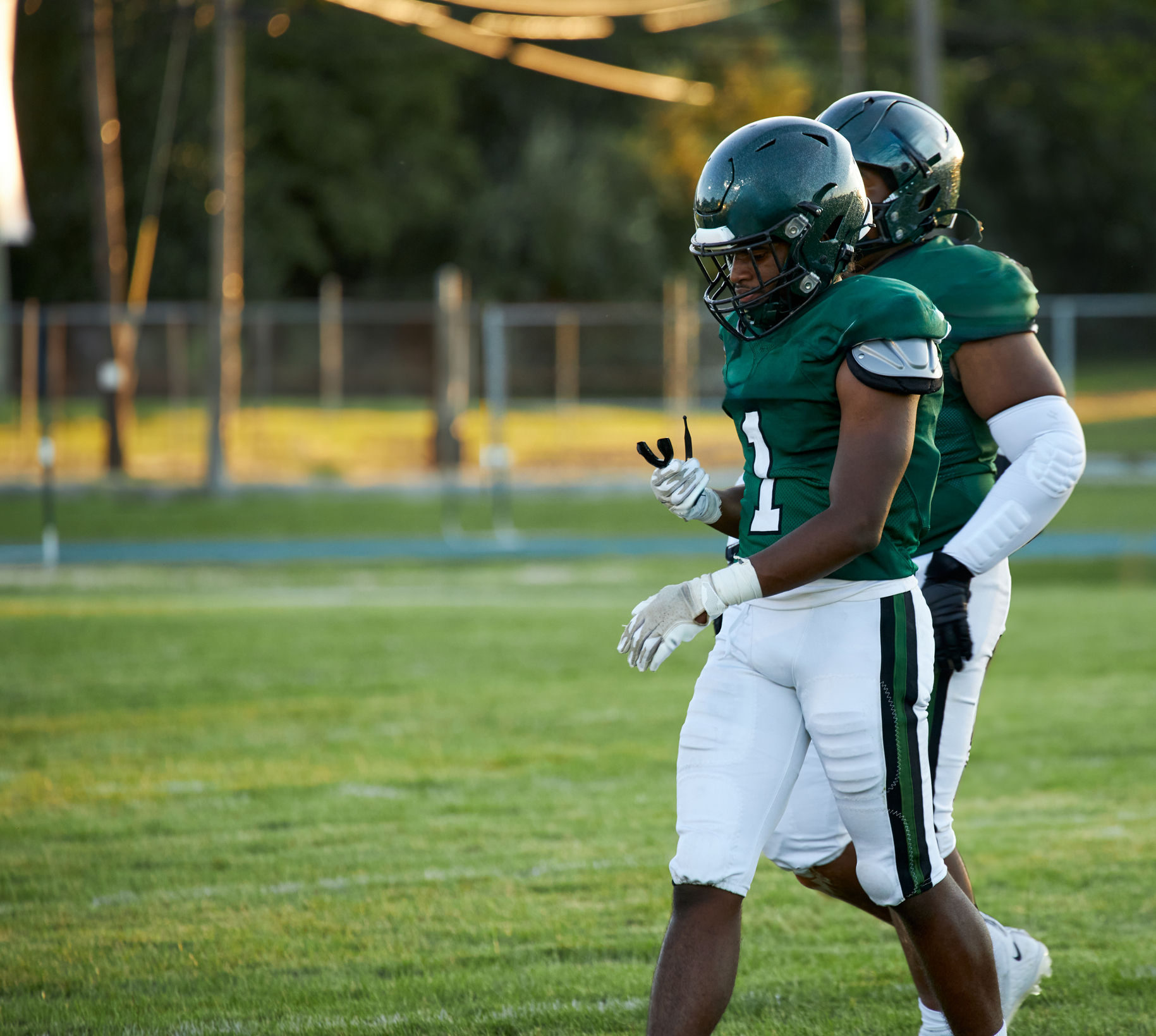
Sports and recreational injuries
Falls or accidents
Motor vehicle collisions
Military or combat injuries
A concussion is a mild traumatic brain injury occurring when there is a bump, blow, or jolt to the head or body that causes the brain to move or twist inside the skull. This brain movement causes chemical and physiologic changes that can affect how brain cells work and communicate, resulting in a wide variety of concussion symptoms. 70% of people with a concussion recover completely within 4 weeks, while 30% take longer.
Symptoms vary, but can include:
Confusion
Headache
Double or blurry vision
Dizziness
Nausea or vomiting
Difficulty concentrating
Mental fogginess
Sensitivity to light/noise/busy environments
Sleep disturbances
Symptoms can occur right after the concussion, but can also take several days to come on.
If you observe any of the following red-flag concussion symptoms, please go to an Emergency Department immediately for a medical evaluation:
Loss of consciousness
Seizures or convulsions
Repeated vomiting or nausea
Increasing confusion or dizziness
Drowsiness or inability to waken from sleep
Pupils that are unequal in size
Slurred speech
Weakness or numbness in arms or legs
Clear, watery discharge from the nose or ears, or bloody discharge from the ears
Severe or worsening neck pain
If you think you have had a concussion, you should contact your healthcare provider or go to Urgent Care for follow-up. Only a healthcare provider can diagnose a concussion. If you had a loss of consciousness with your concussion, you should seek emergency care. If you have been diagnosed by a healthcare provider with a concussion, you may need a referral to a neurologist for management or physical therapy for concussion rehabilitation.
It’s important to see a specialist if you think you have a concussion to get a proper diagnosis. While most concussion symptoms may be resolved or relieved within two weeks, a specialist can help determine the best treatment for optimal recovery.
A concussion is a mild brain injury that temporarily affects how your brain functions. Most people recover fully within a few weeks with proper care. Here’s what you need to know:
Rest for 24–48 hours: Limit physical and mental activity briefly, but complete bed rest is not needed.
Gradually resume activity: After 48 hours, slowly return to normal activities like walking, reading, or light chores—just avoid anything that makes symptoms significantly worse.
Use symptoms as a guide: It’s normal for symptoms (like headache, dizziness, or fatigue) to increase a little with activity.
Avoid high-risk activities: No contact sports, heavy lifting, or risky environments until cleared by a healthcare provider.
Sleep is essential: Keep a regular sleep schedule and avoid naps during the day after the first 48 hours.
Eat well and stay hydrated: Nutritious food and hydration support brain healing.
Follow up: Attend all scheduled appointments. Seek medical attention if symptoms suddenly worsen.
Recovery takes time, but with the right care and pacing, most people return to their normal lives safely.
After the initial rest period, gradual return to normal daily activities is key—even if some symptoms persist. Light physical activity, such as walking or gentle stationary cycling, can actually promote faster recovery. Research shows that people who start light exercise 48 hours after a concussion recover about 2 to 3 days faster than those who stay completely inactive.
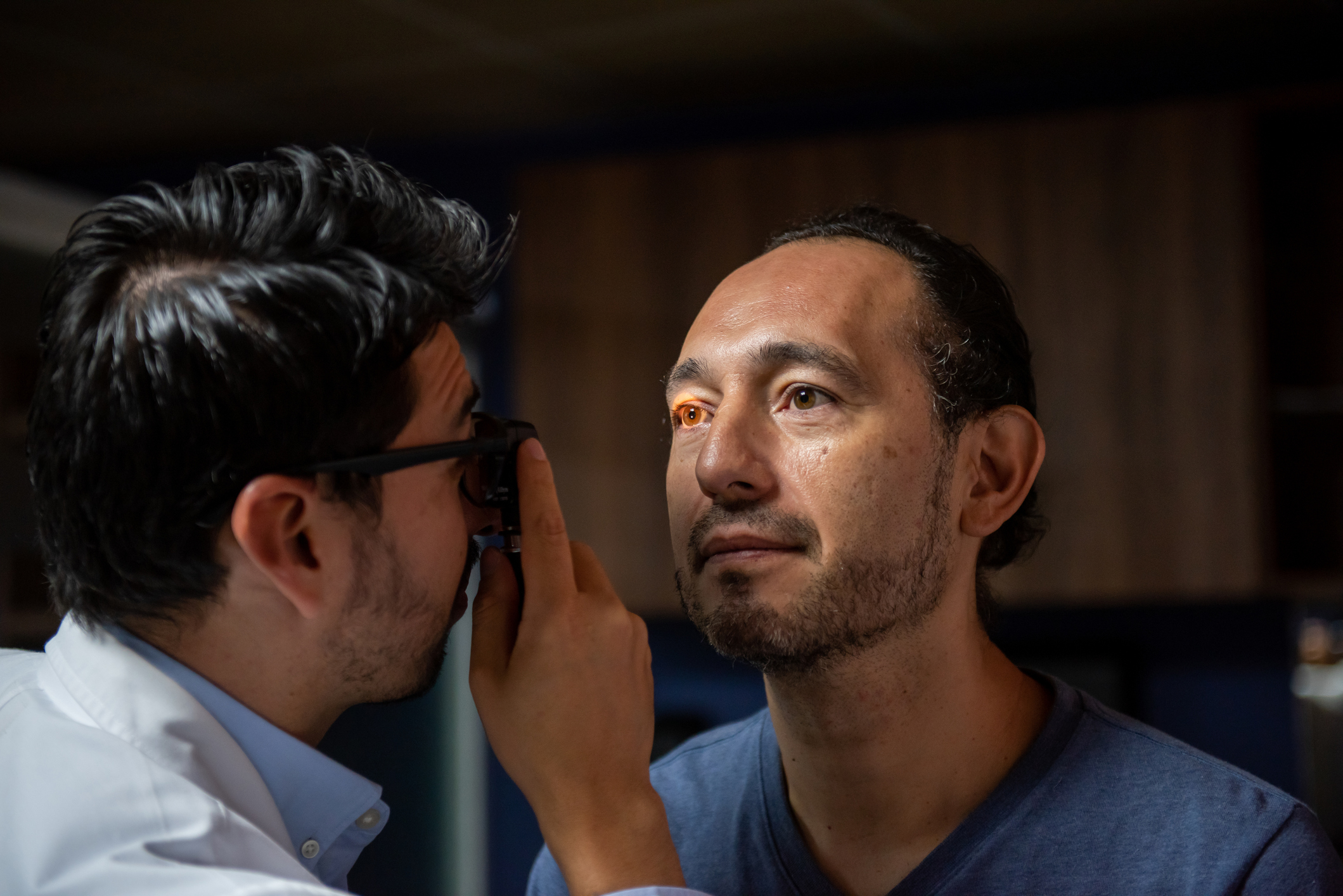
At Hoag, every concussion evaluation begins with a thorough assessment by a healthcare provider trained in concussion management. Your provider will review your medical history, discuss your symptoms, and perform targeted exams to evaluate cognitive function, balance, coordination, and neurological health.
Based on your needs, you may be referred to physical therapy for concussion rehabilitation, which can include guided exercises to improve balance, reduce dizziness, and safely reintroduce activity. In some cases, a neuropsychological evaluation may be recommended to assess memory, attention, and other cognitive skills. This testing provides valuable insight into how the brain is functioning after injury and helps guide individualized treatment and recovery planning.
The goal of every assessment is to create a safe, personalized plan to support recovery and ensure a gradual, healthy return to school, work, sports, and daily life.