Melanoma & Skin Cancer
16105 Sand Canyon Ave., Ste. 220, Irvine CA 92618
- About
- Diagnosis & Treatment
- Mohs Surgery
- Vectra Total Body Photographic Imaging
- Meet the Team
- FAQ
Melanoma & Skin Cancer Treatments
Mohs Surgery
Mohs surgery at Hoag offers you an exceptional cure rate with less scarring than traditional skin cancer surgery. Performed by our dedicated dermatologic oncologist, Mohs surgery removes all skin cancer, sparing healthy surrounding tissue.
Chemotherapy/Systemic Therapy
Chemotherapy uses powerful drugs or chemicals to directly attack cancerous cells. Systemic Therapy is a non-surgical treatment option for cancer patients. Systemic therapy is when drugs are administered into a patient’s blood stream to stop or slow the growth of cancerous cells. Biological therapy, also referred to as “Immunotherapy” utilizes the body immune system to fight cancer cells.
Radiation Oncology
Hoag’s Radiation Oncology Program offers the widest range of radiation therapy options available, ensuring every treatment plan is precisely tailored to each patient.
Stereotactic Body Radiation Therapy (SBRT)
Stereotactic Radiation Therapy (SRT) is an intermediate technique, with many of the characteristics of both Stereotactic Radiosurgery (SRS) and Image-Guided Intensity-Modulated Radiation Therapy (IG-IMRT). When applied outside of the brain, this technique is often called Stereotactic Body Radiation Therapy (SBRT).
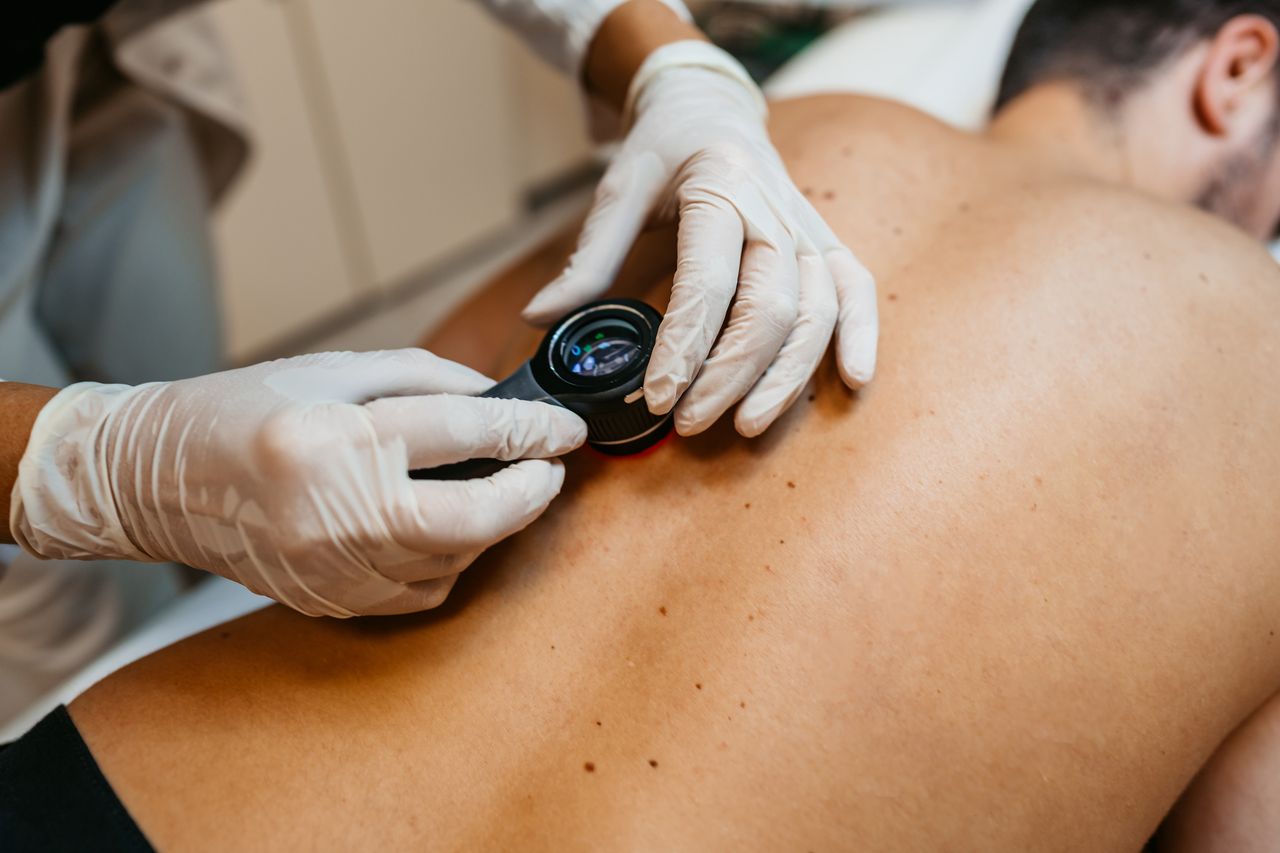
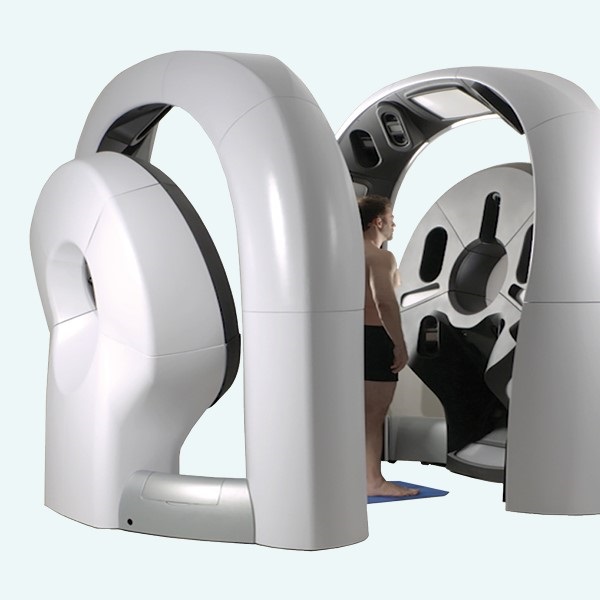
Vectra WB360 3D Total Body Photographic Imaging
Hoag is the first and only hospital on the west coast to offer high-risk skin cancer patients access to the Vectra 360.
Precision Medicine Program
Hoag’s Precision Medicine Program combines genomics and genetics to diagnose, treat, and prevent diseases. Using the latest advances in genomic technologies, targeted therapies and research, our precision medicine program brings together a multidisciplinary team, including a robust genetic counseling group of experts, to provide patients with the latest in innovation and technology.
Tumor Boards
Tumor boards* are a meeting of Hoag’s top experts in their respective subspecialties to determine the best approach for a patient’s individual cancer case.
Palliative Care
Palliative care is a specialty that focuses on improving the quality of life of individuals facing serious illness through medical management and emotional support.
Cancer Clinical Trials
Early development clinical trials (phase I and II) are novel drug therapies that examine new treatments that provide options beyond standard of care. During these trials, researchers are carefully examining the best way to administer the treatment, determine how much can be safely given, identify important potential side effects, as well as assess cancer response.
Diagnosing & Treating Skin Cancers
Hoag is here for you. The Hoag Melanoma & Skin Cancer Program is a comprehensive path in Orange County for those seeking diagnosis and treatment for melanoma and non-melanoma cancers, such as basal cell, squamous cell and merkel cell cancers. Featuring a world-class roster of specialists in dermatologic oncology, surgical oncology, radiation oncology, hereditary cancer and skin cancer research, Hoag offers the experience and advanced technology you can rely on for high-risk monitoring, diagnosing and treatment of skin cancer.
Monitoring for Skin Cancer
Vectra WB360 Total Body Photography is available at Hoag – Hoag is the first hospital on the West Coast to offer high-risk skin cancer patients access to the Vectra WB360 as part of its comprehensive Melanoma & Skin Cancer Program. This breakthrough technology allows for whole-body monitoring of suspicious lesions and tracking changes over time.
Hereditary Skin Cancer – For more than a decade, Hoag has been Southern California’s leader in advanced genetic profiling to detect the presence or potential risk of developing certain cancers. Skin cancers that may be hereditary include:
Melanoma
Basal cell carcinoma
Squamous cell carcinoma
If you are concerned about an elevated risk due to a family history of skin cancer, learn more about Hoag’s Hereditary Cancer Program.
Diagnosing Skin Cancer
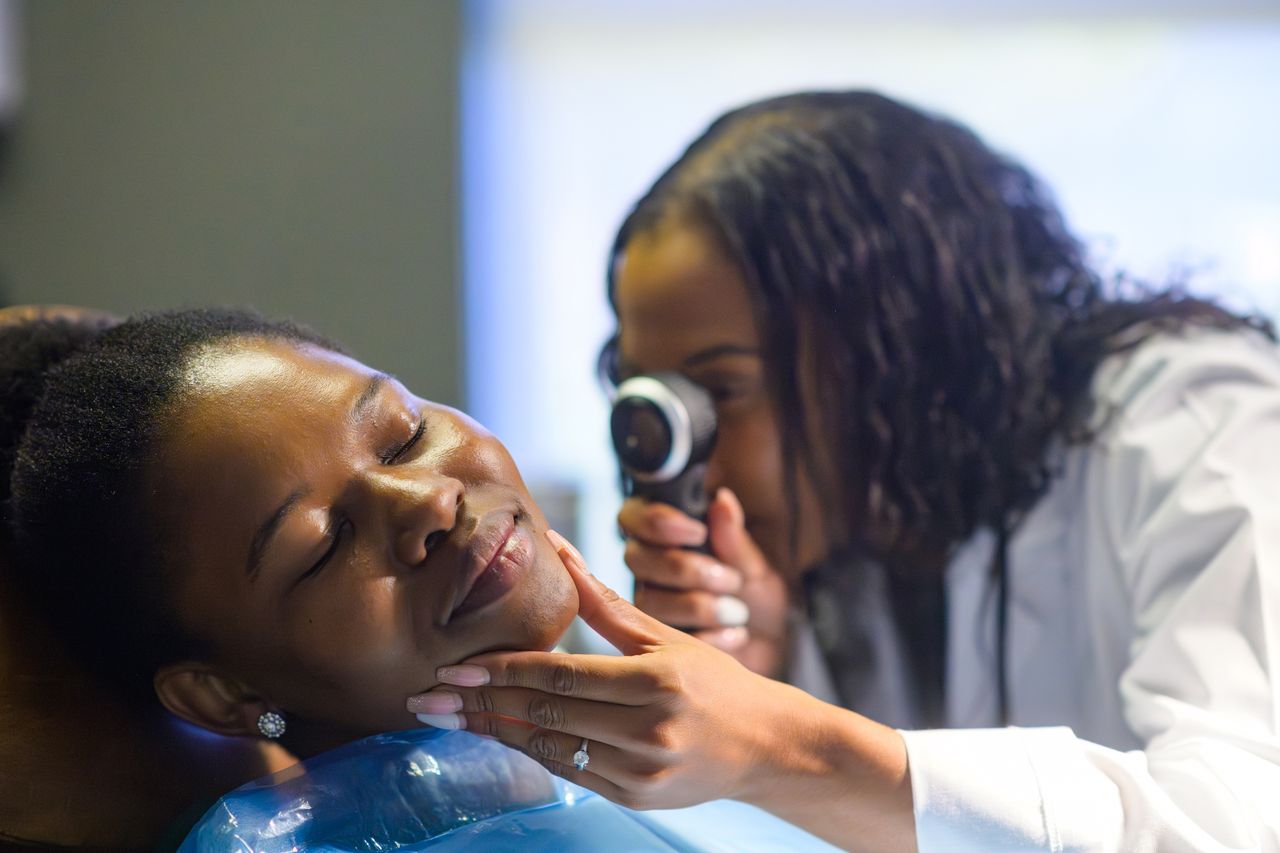
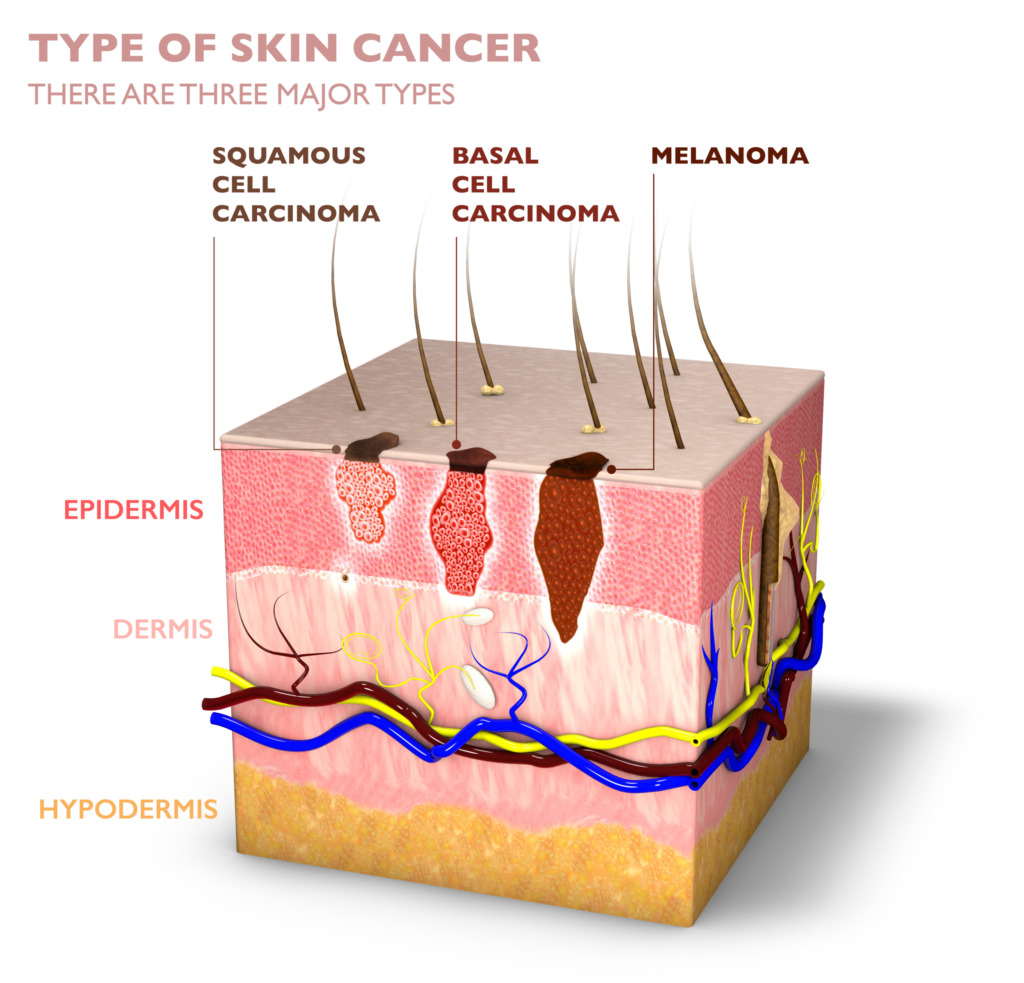
Early detection of skin cancer is key to improved outcomes and keeping the cancer from spreading. At Hoag, our skin cancer detection and dermatologic oncology program is second to none when it comes to the accurate, early diagnosis that saves lives. The type of skin cancer is usually determined by where the cancer begins, or which cells are cancerous. Some of these cell types include:
Squamous – found in the upper (outer) part of the epidermis. Squamous cell carcinoma starts in these cells.
Basal – found in the lower part of the epidermis. Basal cell carcinoma starts in these cells.
Melanocytes – these cells make the brown pigment called melanin which gives your skin its tan or brown color. Melanoma skin cancer starts in these cells.
Merkel – found in the top layer of the skin, very close to the nerve endings that receive the sensation of touch. Merkel cell carcinoma usually appears as a single painless lump on areas of the skin exposed to ultraviolet rays and is very rare.
If you visit a physician for a spot, mole, blemish or lump that gives you concern, the doctor will likely examine the spot and the rest of your skin, along with asking you questions about your symptoms and family history. If something concerning is found, a sample from the spot is removed and sent for testing. This is a painless procedure and will likely be done by either:
Punch biopsy
Excision
Our specialized team at Hoag includes a dedicated dermatologist whose only focus is the diagnosis of melanoma and other skin cancers. The benefits of coming to Hoag include:
Shorter waits for exams
In-depth knowledge and expertise
A chance to avoid the “biopsy first” approach
Fewer disfiguring scars and clearer, healthier skin
Access to high-risk management, biopsy, Mohs surgery, other surgical approaches and subspecialty medical oncologists.
Staging
If testing shows evidence of melanoma or a non-melanoma skin cancer, it is important to determine whether the cancer has spread, or metastasized, and how extensive it is. This is called staging and may be determined by:
Measuring the thickness of the skin cancer, a thicker melanoma means the disease has penetrated further into the skin and is a more serious case.
If needed, our surgical oncologist can perform a Sentinel Node Biopsy to see if there’s evidence the cancer has spread to nearby lymph nodes.
At Hoag, our expert pathologists specialize in skin cancer & melanoma diagnoses ensuring an accurate skin cancer diagnosis. Precision medicine may also be used to ensure a molecular-based diagnosis. Learn about Hoag’s Precision Medicine Program.

Second Opinion Consultations
Melanoma and other skin cancers should be handled by experienced, subspecialists who understand the complexity of the cancer and how to best treat it. For patients unsure about their current treatment pathway, Hoag’s Melanoma & Skin Cancer Program offers second opinion consultations. Contact us today for assistance with a second opinion.
Treatment Options for Skin Cancer
Hoag’s Melanoma & Skin Cancer Program has the most complete and comprehensive skin cancer program in Orange County. Our multidisciplinary team has special expertise in providing the most accurate diagnosis and effective treatment plans across all skin cancer types, including performing Mohs surgery. To help patients and their families through diagnosis and treatment to survivorship, our dedicated melanoma and skin cancer clinical nurse navigator acts as facilitator and guide. Treatment options for skin cancer depend on many factors, such as:
How advanced the cancer is when detected
Your age and any other health issues you may have
Rest assured, Hoag will provide you with world-class expertise and a personalized treatment plan specific to your needs.
Advanced Surgical Treatment at Hoag
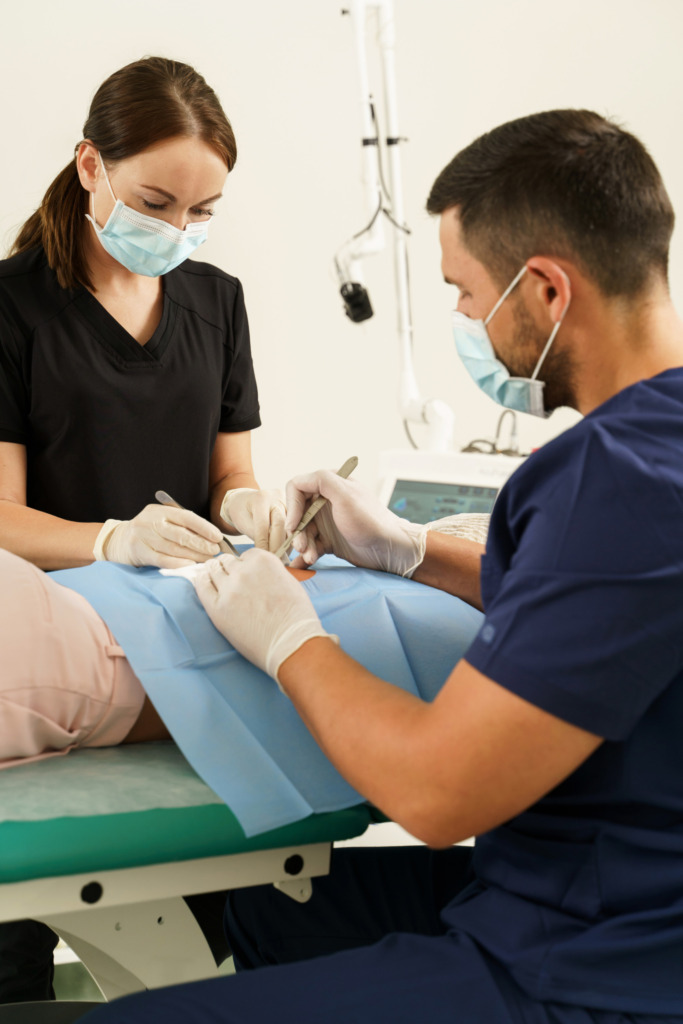
The most common treatment for melanoma and non-melanoma skin cancers is surgical removal of that piece of tissue, which usually cures most early-stage lesions. When detected early, Hoag is a leader in performing Mohs Surgery, today’s least invasive surgical option for a full recovery from Melanoma and other skin cancers resulting in better outcomes and less scarring. If you are not a candidate for Mohs surgery, our surgical oncologist offers expertise in non-Mohs surgical interventions, including:
Surgical excision
Sentinel node biopsy
Lymph node dissection
Wide local excision
Through collaboration with Hoag plastic surgeons, patients are able to optimize their appearance and reduce the visibility of scars when needed.
If Skin Cancer Has Metastasized
At Hoag, treatment plans for metastasized skin cancers are personalized to meet the needs of each patient. Our treatment options offer the most recent advancements in techniques and technology, including:
Research & Clinical Trials for Skin Cancer
Hoag is committed to leading the way in state-of-the-art technologies and advanced treatment options. Part of this commitment includes clinical research with the goal of helping patients live longer, healthier lives. Through carefully planned clinical trials, researchers evaluate the safety and effectiveness of new ways to diagnose, treat and prevent diseases or conditions. Treatments studied in clinical trials might be new drugs or new combinations of drugs, new surgical procedures or devices, or new ways to use existing treatments.
View clinical trials for melanoma and other skin cancers here.