Inquire Now
Bone & Soft Tissue Sarcoma
Hoag Family Cancer Institute
- About
- Diagnosis
- Treatment
- Meet the Team
- Support & Resources
Meet Hoag's Bone and Soft Tissue Sarcoma Team
Bone and Soft Tissue Sarcoma Surgeons

Medical Director, Melanoma & Complex Skin Cancer Program
Bone and Soft Tissue Sarcoma Medical Oncologist

Medical Director, Hepatobiliary Cancer
Radiation Oncologists
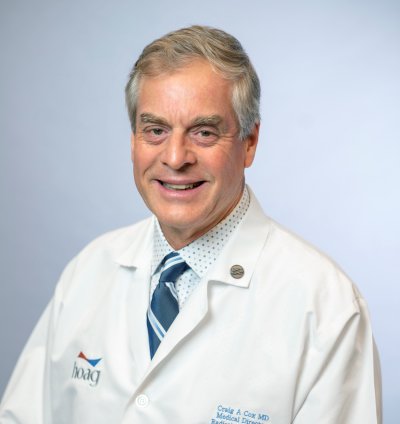
Medical Director, Radiation Oncology Program
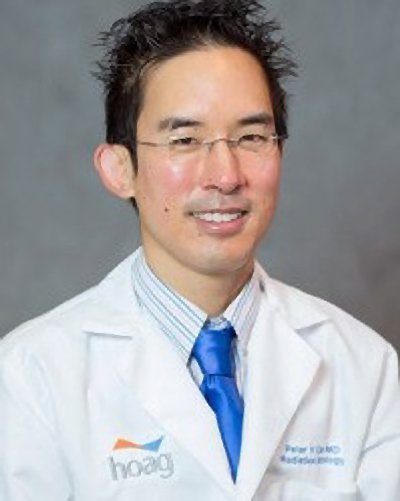
Radiation Oncology
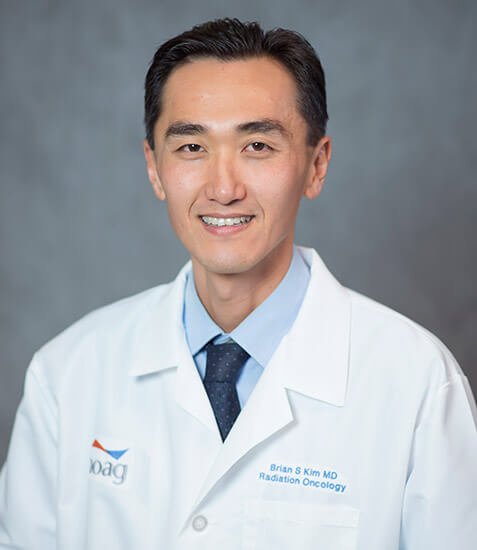
Radiation Oncology
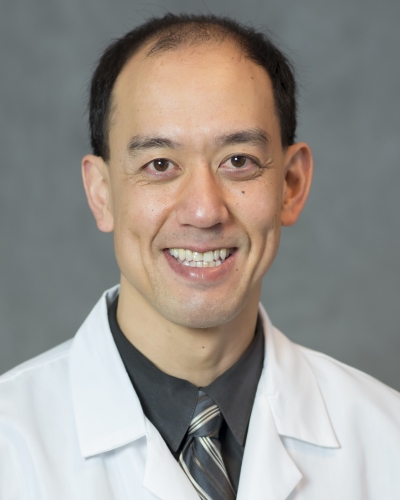
Radiation Oncology
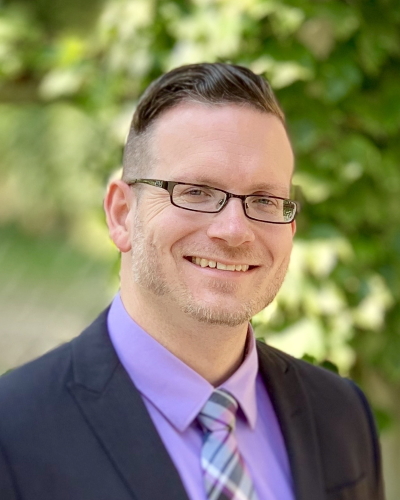
Radiation Oncology
Bone and Soft Tissue Sarcoma Nurse Navigator
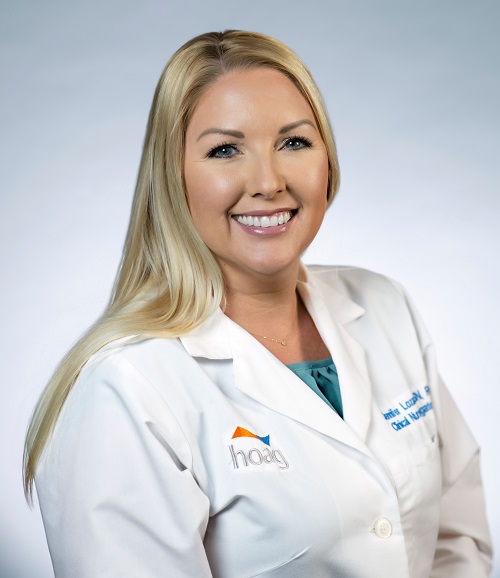
Clinical Nurse Navigator
Hoag's Precision Medicine Program
Hoag’s Precision Medicine Program combines genomics and genetics to diagnose, treat, and prevent diseases. Using the latest advances in genomic technologies, targeted therapies and research, our precision medicine program brings together a multidisciplinary team, including a robust genetic counseling group of experts, to provide patients with the latest in innovation and technology.
Hoag Family Cancer Institute Social Workers
Being diagnosed with cancer can feel overwhelming at times. Many patients and their families need help with coping and can benefit from supportive counseling. Oncology Clinical Social Workers are available to provide emotional and practical support during all stages of cancer including diagnosis, treatment and post-treatment survivorship.
Hoag Family Cancer Institute Dietitians
Hoag Family Cancer Institute dietitians work closely with patients’ physicians, nurses, therapists, and social workers to ensure complete care.
Hoag's Bone and Soft Tissue Sarcoma Program offers expert care and compassionate support services centered on patients and their families seeking treatment.

Leading-Edge Sarcoma Care, Close to Home
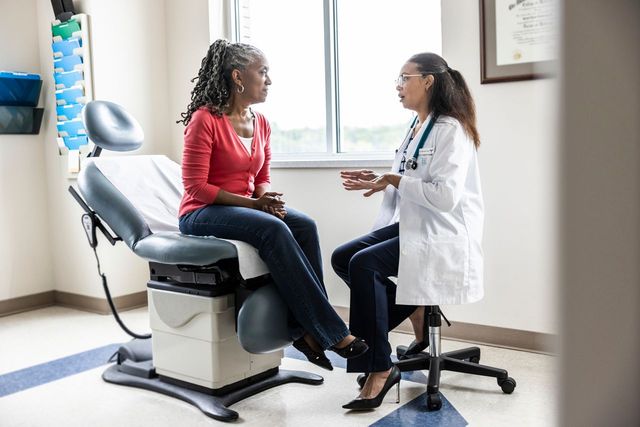
Patient-Centered Care

Sarcoma Nurse Navigator

Patient Testimonial Carousel
“He took the time to let me sit in the office and cry. But because I know the physicians and the kind of care that you receive at Hoag, I knew that if that’s the recommendation, that’s what you need to do.”
Your journey starts here
1
Find the right provider
Get care from medical providers that fit your needs in a location near you.
Find a provider2
3
Get in touch
Didn’t see what you’re looking for? Reach out and we’ll make sure you get what you need.
Contact UsSarcoma Diagnosis
Overview
There are no effective screening tools or ways to prevent sarcoma. While the majority of suspicious masses discovered are benign, we recommend that any questionable mass be evaluated by your primary care physician. Any unusual bone lesion should be evaluated by an orthopedic surgeon.
At initial presentation, sarcoma may be asymptomatic; symptoms may not present until the cancer has progressed. To provide a diagnosis of sarcoma, a specialist will perform a physical examination and imaging studies, such as an MRI, CT or a bone scan (if it involves the bone) to assess if the disease has spread.
Pathologic Diagnosis
A tissue diagnosis is necessary in order to determine the type or origin of tumor (for example, a tumor of muscle, bone, nerves or fat), the subtype of tumor, its aggressiveness or “grade” (for example, high grade versus intermediate or low grade) and additional tumor characteristics that assist in predicting behavior and prognosis. A precise subtype diagnosis can change the treatment approach.
Tumor tissue is first examined under the microscope by a pathologist with expertise in sarcomas. After microscopic examination, additional special studies are performed including immunophenotyping (identification of the types of proteins a tumor expresses by means of antibody reactions), molecular studies (analysis of small segments of DNA or RNA using in situ hybridization or polymerase chain reaction) and chromosome analysis. When clinically indicated, high throughput genomic sequencing can used for the purpose of both sarcoma categorization as well as potential therapeutic considerations. Once the pathologist completely analyzes the tumor, members of the multidisciplinary team can then discuss optimal treatment for the patient.
Genetic Testing
Most cases of sarcoma are sporadic (not hereditary); however, sarcoma can be associated with hereditary cancer susceptibility genes in some families. If, in addition to sarcoma, there is a personal or family history of pre-menopausal breast cancer, brain cancer, or of the childhood tumors adrenal cortical carcinoma or choroid plexus carcinoma, then genetic counseling is indicated and genetic testing is available. Hoag offers its Hereditary Cancer Program to the community – a comprehensive genetic counseling and testing program, led by certified genetic counselors and physician leadership. Contact us to see if this may be the right option for you or your family.
For more information, or to contact the Hoag Sarcoma Program Clinic, please call (949) 764-5542.
Bone & Soft Tissue Sarcoma Treatments
Chemotherapy/Systemic Therapy
Chemotherapy uses powerful drugs or chemicals to directly attack cancerous cells. Systemic Therapy is a non-surgical treatment option for cancer patients. Systemic therapy is when drugs are administered into a patient’s blood stream to stop or slow the growth of cancerous cells. Biological therapy, also referred to as “Immunotherapy” utilizes the body immune system to fight cancer cells.
Radiation Oncology
Hoag’s Radiation Oncology Program offers the widest range of radiation therapy options available, ensuring every treatment plan is precisely tailored to each patient.
Stereotactic Body Radiation Therapy (SBRT)
Stereotactic Radiation Therapy (SRT) is an intermediate technique, with many of the characteristics of both Stereotactic Radiosurgery (SRS) and Image-Guided Intensity-Modulated Radiation Therapy (IG-IMRT). When applied outside of the brain, this technique is often called Stereotactic Body Radiation Therapy (SBRT).
da Vinci® Robotic Surgery
The da Vinci® SP1 Surgical System is an innovative robotic platform that allows surgeons to perform complex surgeries through a single incision.
Precision Medicine Program
Hoag’s Precision Medicine Program combines genomics and genetics to diagnose, treat, and prevent diseases. Using the latest advances in genomic technologies, targeted therapies and research, our precision medicine program brings together a multidisciplinary team, including a robust genetic counseling group of experts, to provide patients with the latest in innovation and technology.
Tumor Boards
Tumor boards* are a meeting of Hoag’s top experts in their respective subspecialties to determine the best approach for a patient’s individual cancer case.
Cancer Clinical Trials
Early development clinical trials (phase I and II) are novel drug therapies that examine new treatments that provide options beyond standard of care. During these trials, researchers are carefully examining the best way to administer the treatment, determine how much can be safely given, identify important potential side effects, as well as assess cancer response.
Palliative Care
Palliative care is a specialty that focuses on improving the quality of life of individuals facing serious illness through medical management and emotional support.
Sarcoma Treatment Options
Overview
Treatment approaches for sarcoma can vary. Surgical resection, radiation therapy and chemotherapy are used either individually or in combinations based on the subtype, location, size, grade, stage of the tumor.
Surgical Treatment
The main goal of surgery is to remove the tumor completely. For certain tumors, treatment may require surgeons from different disciplines to work together to successfully and safely remove the tumor. For extremity sarcomas, the second goal in the surgical treatment of sarcoma is limb salvage and preserving function and quality of life.
Each patient’s treatment plan will be different. We encourage you to speak in detail with our Sarcoma Program team members on the plan they recommend for you.
Radiation Therapy
Radiation therapy is used on some patients with sarcomas. Radiation therapy can kill microscopic disease, reducing the risk of local recurrence (the cancer returning in the same location). Sometimes, radiation can shrink a tumor to facilitate surgery, such that a critical structure like a nerve or blood vessel bundle can be spared.
Radiation therapy can be utilized before or after surgery, but is determined based on a case by case basis.
Radiation Therapy Modalities
Hoag Radiation Oncology offers advanced therapy to effectively treat sarcoma. One therapy that is often used at Hoag is Intensity Modulated Radiation Therapy (IMRT). IMRT improves the delivery of radiation. Studies show that this technique may improve the efficacy of treatment and can reduce the risk of side effects, such as bone fracture in extremity sarcoma. Hoag provides this therapy option utilizing one of these advanced machines: Tomotherapy, which delivers a special form of IMRT called Helical IMRT or Elekta Agility, which delivers a special form on IMRT called Volumetric Modulated Arc Therapy (VMAT).
Your team will discuss the different treatment options with you, to determine the best plan of care.
Chemotherapy
Although not utilized in all cases, chemotherapy may be of benefit in certain subtypes of sarcoma. At Hoag, our medical oncologists offer leading edge chemotherapy treatments for sarcoma. Hoag’s Sarcoma Program also has access to the latest clinical trials that will test and evaluate the efficacy of new drugs for sarcoma. These trials include targeted therapies and immunotherapy.
To learn more about Hoag Sarcoma Program, or to contact the Hoag Sarcoma Program Clinic, please call (949) 764-5542.
Clinical Nurse Navigators
Clinical Nurse Navigators are a unique asset at Hoag. Our Clinical Nurse Navigators serve as a guides for patients, answering questions and providing support through each phase of treatment.
Oncology Support Services
Oncology Support Services offers a variety of classes to support and educate patients during and after cancer. These classes and workshops are all free of charge:
One-On-One Counseling with an oncology social worker
Fitter Image Exercise Programs, including yoga, pilates and energizing cardio and toning
Workshops for Well-Being, including free flow writing, meditation, reiki and creative art classes
Other Support Programs/Teams include:
Rehabilitation Specialists – While both in the hospital and after discharge, patients will be visited by rehabilitation specialists, experienced in the care and rehab of sarcoma patients.
Palliative Care – For patients experiencing high pain or symptom burden during treatment, the Hoag palliative care team can help. Board-certified palliative care physicians, nurses and social workers are available to help manage physical and emotional symptoms alongside your sarcoma care team.
Cancer Dietitians – Special to Hoag Family Cancer Institute are two dedicated Registered Dietitians available to answer your nutritional questions and provide resources for a healthier diet before, during and after cancer treatment.
Hereditary Cancer Program – Hoag offers both genetic counseling and genetic testing for individuals concerned about hereditary cancer. Feel free to contact us to see if this service may be right for you or your family.
Internet Resources:
Not all websites are credible. Here are a few websites recommended by the Musculoskeletal Tumor society if you were interested in:
The Musculoskeletal Tumor Society Bone and Cancer Foundation
For more information on the Hoag Sarcoma Program, or to contact the Hoag Sarcoma Program Clinic, please call (949) 764-5542.
Stay up-to-date on the latest news from Hoag
By submitting this request, you agree to receive communications from Hoag and accept our Privacy Policy and Terms of Use.