Multiple Sclerosis & Neuroimmunology Program
520 Superior, Suite 350, Newport Beach, CA 92663
- About
- Diagnosis
- Treatments
- Advances in MS Care
- Participate in MS Research
- Multiple Sclerosis Hope Center
- Meet the Team
- FAQs
Treatments
While there is no cure for multiple sclerosis (MS), there are many effective treatments that can slow the progression of the disease, reduce relapses, and improve quality of life. At Hoag, we personalize each care plan to meet the unique needs of every patient.
Treatment Options for Multiple Sclerosis
Medications for MS are called disease-modifying therapies (DMTs). They target the immune system to reduce inflammation, decrease relapses, and slow the development of new brain or spinal cord lesions.
Oral medications: Taken daily or several times a week, these can be easier to fit into daily life.
Injectable therapies: Delivered at home or in clinic, they have been in use for decades and remain an option for many patients.
Infusion treatments: Given in a medical setting at regular intervals, often every few weeks or months, these therapies may be highly effective in reducing disease activity.
Your neurologist will help you weigh factors such as effectiveness, safety profile, side effects, and convenience to choose the medication that best fits your lifestyle.
Rehabilitation is a cornerstone of MS care, helping patients preserve function and independence:
Physical therapy (PT): Therapists guide you through strength-building exercises, stretching, and balance training to reduce fatigue, improve walking, and prevent falls. PT may also include gait training, use of supportive devices (such as canes or braces), and tailored exercise programs to enhance endurance.
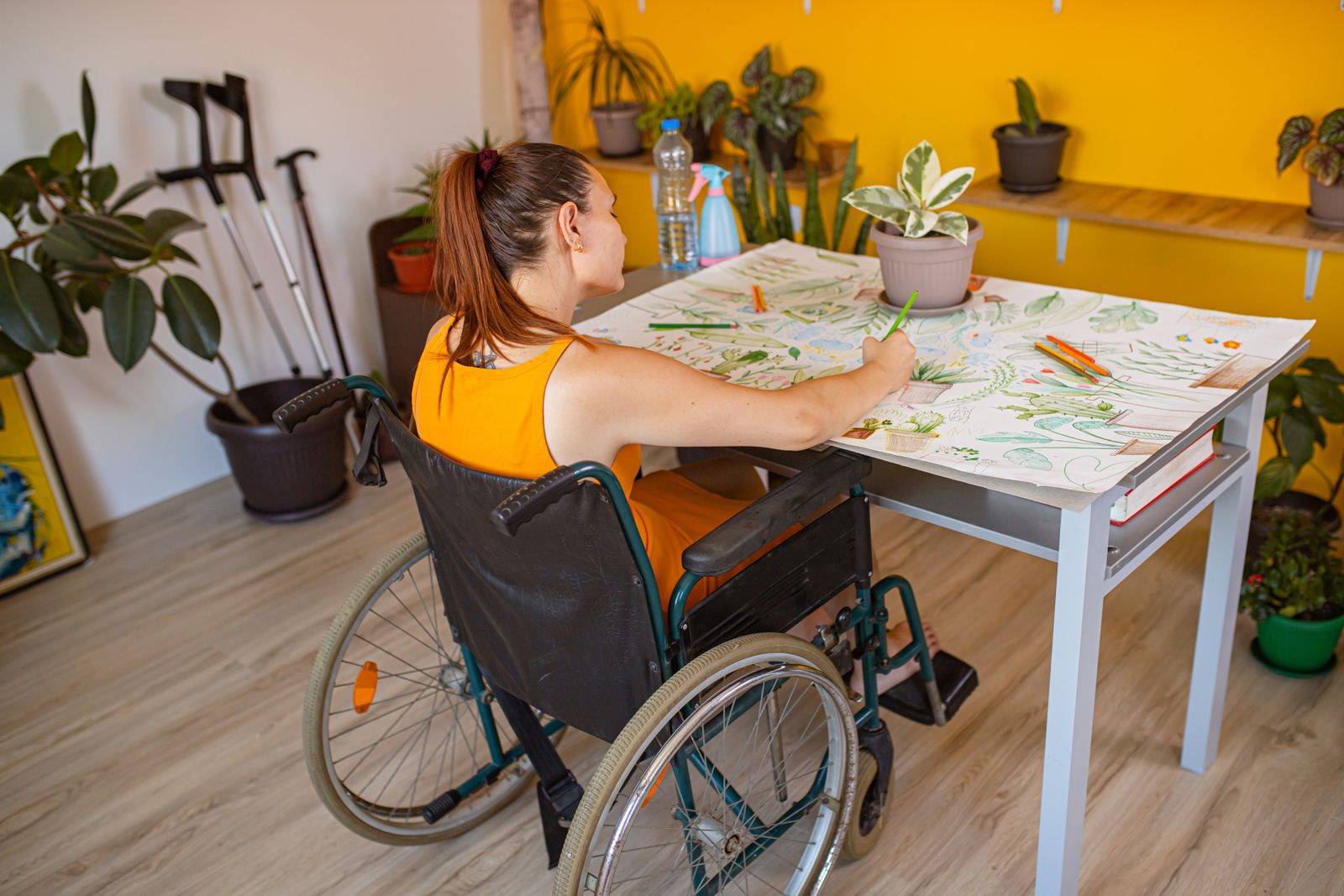
Occupational therapy (OT): Focuses on practical strategies for daily living, including improving hand coordination, recommending adaptive equipment for cooking or writing, and suggesting modifications in your home or workplace to make tasks easier and safer.
Both PT and OT can help patients regain confidence in their ability to stay active and engaged.
Lifestyle modifications can support your overall health and complement medical treatments:
Dietary support: While no single “MS diet” is universally prescribed, eating a diet rich in fruits, vegetables, lean proteins, and whole grains may help reduce fatigue and support brain and immune health. Some patients benefit from reducing saturated fats or increasing omega-3 fatty acids. Hoag dietitians can help tailor a plan to your needs.
Exercise: Low-impact activities such as walking, swimming, yoga, and cycling improve energy, flexibility, and cardiovascular fitness. Exercise can also boost mood and resilience.
Sleep & stress management: Fatigue is one of the most common MS symptoms. Mindfulness practices, counseling, and prioritizing restorative sleep all play a role in symptom control.
MS can cause a wide range of symptoms that affect daily life, and many can be managed with targeted treatments:
Fatigue: Medications, structured exercise programs, and energy-conservation techniques can help.
Spasticity (muscle stiffness or spasms): Stretching routines, muscle relaxant medications, and in some cases Botox injections may be recommended.
Pain & sensory changes: Medications and non-drug therapies like acupuncture or TENS (nerve stimulation) may provide relief.
Bladder and bowel challenges: Medications, pelvic floor therapy, and lifestyle adjustments can help patients regain control.
Cognitive or mood changes: Counseling, cognitive rehabilitation, and when needed, medications support brain function and emotional well-being.
As your disease changes over time, please be sure to consult with your physician about any new or worsening symptom you may be experiencing.
As a leader in neurological care, Hoag offers patients access to advanced monitoring and treatment opportunities:
Clinical trials: Patients may be eligible for investigational therapies not yet widely available.
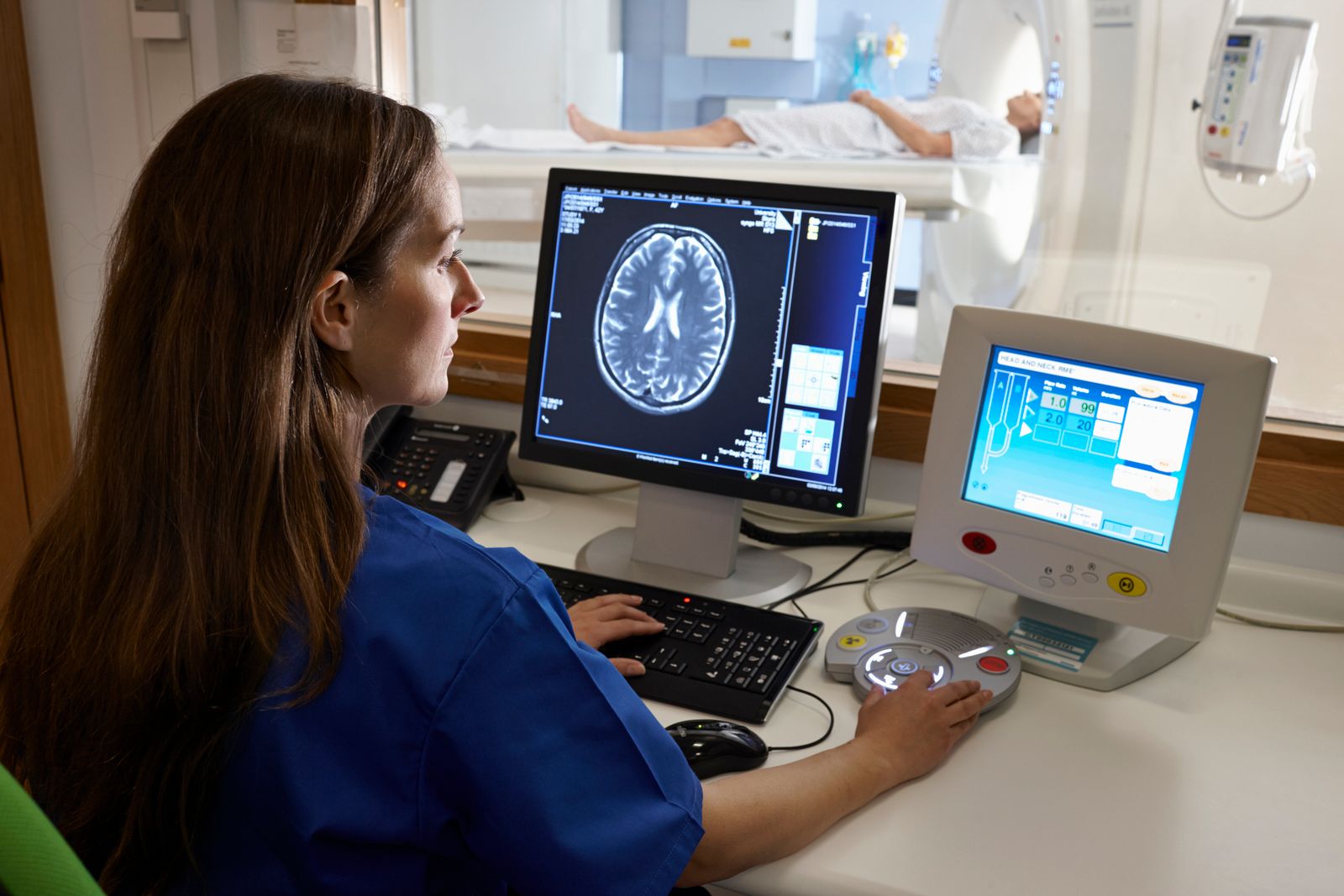
Advanced imaging: MRI technology helps track disease activity with precision, ensuring your treatment is as effective as possible.
Integrative wellness programs: Complementary therapies such as acupuncture, massage, or mindfulness meditation support whole-person care.
Assistive technologies: From mobility devices to smartphone-based cognitive apps, these tools help patients remain independent and engaged in daily life.