Inquire Now
Metastatic Liver Cancer
Hoag Family Cancer Institute
- About
- Symptoms & Risk Factors
- Diagnosis
- Treatment
- Meet the Team
What is Metastatic Liver Cancer?
Metastatic liver cancer, also known as secondary liver cancer, begins as a primary cancer in another organ outside of the liver, and eventually migrates to the liver.
In fact, the liver is the most common site (after the lymph nodes) for cancers to spread. Most of these originate from cancers of the eye, colon, rectum, pancreas, stomach, esophagus, breast, lung, melanoma and some other less common sites.
Symptoms of Metastases to the Liver
Often, secondary liver cancer does not cause symptoms during early stages. However, as the disease progresses, symptoms associated with liver disease often develop, including:
Pain in the upper abdomen on the right side; the pain may extend to the back and shoulder
Swollen abdomen (bloating)
Weight loss, loss of appetite and/or feelings of fullness
Weakness and/or fatigue
Nausea and vomiting
Yellow skin and eyes, and dark urine from jaundice
Fever
If you’re experiencing any of these symptoms, it’s important to seek proper evaluation and treatment from a healthcare expert experienced in the diagnosis and liver cancer treatment options.
Risk Factors for Metastases to the Liver
Most cancers can metastasise to the liver. The following primary cancer sites are those most likely to cause liver metastases:
Colon/Rectum
Stomach
Esophagus
Pancreas
Breast
Lung
Melanoma
Eye
The liver, your body’s largest internal organ, breaks down nutrients and removes toxins from blood. Symptoms of metastatic liver cancer can be difficult to detect, but Hoag offers the latest modalities for accurate diagnosis and expert patient care.

Liver Treatment Expertise You Can Trust

Liver Cancer Nurse Navigator

Groundbreaking Clinical Trials & Research

Begin Your Journey
1
Find the Right Provider
Get care from medical providers that fit your needs in a location near you.
Find a provider2
Explore Cancer Resources
Find information made to guide and support you on your journey.
See all resources3
Get in touch
Didn’t see what you’re looking for? Reach out and we’ll make sure you get what you need.
Contact usExpert Diagnosis is Key
Comprehensive evaluation with accurate diagnosis is the foundation for achieving highly successful outcomes. That’s why it’s important to seek care from a center that provides academic level care from a multidisciplinary, specialized team of hepatobiliary and pancreatic surgeons experienced in the accurate diagnosis of primary and secondary liver cancer, as well as other complex digestive diseases.
Beginning with a thorough evaluation that includes a comprehensive physical exam, personal medical history review and state-of-the-art diagnostic workup, Hoag’s multidisciplinary team of board-certified, fellowship trained gastrointestinal experts carefully evaluate and pinpoint the nature of the cancer, so the most appropriate personalized treatment options can be employed.
Hoag’s state-of-the-art diagnostic technologies provide our team with the latest modalities in the accurate diagnosis of primary and secondary liver cancer and other disorders. Some of the progressive imaging studies that may be utilized include:
Blood tests are used to determine whether certain substances are being released into the blood by organs, tissues or tumor cells, as well as to check liver function.
Ultrasound utilizes sound waves to examine the liver, spleen and other organs in order to determine if any masses exist.
Computed Tomography (CT) utilizes state-of-the-art x-rays to help determine the extent of the cancer and whether it involves the surrounding organs.
Magnetic Resonance Imaging (MRI) is a test that uses magnetic waves to create detailed pictures of structures inside the body. It is also very helpful to distinguish between benign and malignant lesions.
Positron Emission Tomography (PET) is used to identify malignant cells even before an actual lesion (lump) can be detected in a physical exam, or on a CT or MRI scan.
Laparoscopy is a minimally invasive surgical procedure used to examine internal organs by direct visualization. During the procedure, the surgeon can inspect the abdominal organs and insert other instruments to take tissue samples for a biopsy.
Biopsy is performed to definitively diagnose cancer, and may involve other methods outside of laparoscopic biopsy. It’s important to note that both primary and secondary liver cancer is often difficult to diagnose because:
Early liver disease often shows no symptoms.
Symptoms often mimic those of other gastrointestinal conditions.
That’s why it’s so important to seek proper evaluation and treatment from a healthcare expert experienced in the most advanced hepatobiliary and pancreatic care.
Innovative Treatment for Metastatic Liver Cancer
When it comes to liver cancer and other gastrointestinal diseases, Hoag Digestive Disease Center provides a full array of progressive treatment options. As a recognized leader and high-volume provider of innovative gastrointestinal care, Hoag’s multidisciplinary team of hepatobiliary and pancreatic experts performs some of the most advanced gastrointestinal procedures available in the nation with clinical outcomes that rival national figures.
Expert Care You Can Trust
Hoag Digestive Disease Center continues to lead the way in complex gastrointestinal care, providing access to a highly specialized surgical team that works collaboratively with Hoag-affiliated GI and medical oncology specialists to provide academic-level care. Hoag’s committed to accurate diagnosis, combined with progressive therapeutic options enables Hoag patients to achieve some of the highest clinical outcomes in the nation.
To schedule a comprehensive diagnostic evaluation, or a second-opinion consultation with a Hoag gastrointestinal expert, visit Meet the Team, or call us at: (949) 764-5350.
Metastatic Liver Cancer Treatments
Chemotherapy/Systemic Therapy
Chemotherapy uses powerful drugs or chemicals to directly attack cancerous cells. Systemic Therapy is a non-surgical treatment option for cancer patients. Systemic therapy is when drugs are administered into a patient’s blood stream to stop or slow the growth of cancerous cells. Biological therapy, also referred to as “Immunotherapy” utilizes the body immune system to fight cancer cells.
Histotripsy
Histotripsy is a precise, non-invasive cancer treatment option and the only FDA-approved therapy of its kind for treating liver tumors. As one of only a few sites in the country to offer this revolutionary technology, Hoag is proud to provide patients access to the latest FDA-approved treatment options and therapies.
Precision Medicine Program
Hoag’s Precision Medicine Program combines genomics and genetics to diagnose, treat, and prevent diseases. Using the latest advances in genomic technologies, targeted therapies and research, our precision medicine program brings together a multidisciplinary team, including a robust genetic counseling group of experts, to provide patients with the latest in innovation and technology.
Radiation Oncology
Hoag’s Radiation Oncology Program offers the widest range of radiation therapy options available, ensuring every treatment plan is precisely tailored to each patient.
Stereotactic Body Radiation Therapy (SBRT)
Stereotactic Radiation Therapy (SRT) is an intermediate technique, with many of the characteristics of both Stereotactic Radiosurgery (SRS) and Image-Guided Intensity-Modulated Radiation Therapy (IG-IMRT). When applied outside of the brain, this technique is often called Stereotactic Body Radiation Therapy (SBRT).
Palliative Care
Palliative care is a specialty that focuses on improving the quality of life of individuals facing serious illness through medical management and emotional support.
Tumor Boards
Tumor boards* are a meeting of Hoag’s top experts in their respective subspecialties to determine the best approach for a patient’s individual cancer case.
Cancer Clinical Trials
Early development clinical trials (phase I and II) are novel drug therapies that examine new treatments that provide options beyond standard of care. During these trials, researchers are carefully examining the best way to administer the treatment, determine how much can be safely given, identify important potential side effects, as well as assess cancer response.
Innovative Treatment Options Tailored to the Patient
When it comes to metastatic liver cancer and other gastrointestinal conditions, expert evaluation is vital to accurately diagnose liver cancer and then determine the best course of treatment for the individual patient.
At Hoag, our multidisciplinary team of gastrointestinal experts includes liver surgeons, liver transplant surgeons, medical oncologists, hepatologists and interventional radiologists who work together to thoroughly review and determine the best treatment option suited to each individual patient.
The Hoag team then carefully tailors a personalized treatment plan to effectively achieve the best possible outcome for the patient. This emphasis on a collaborative, comprehensive approach to patient-centered care is why Hoag patient outcomes rank are among the nation’s best.
The type of treatment recommended depends upon the stage of the cancer and may include surgery, non-surgical options or a combination of surgical and non-surgical treatment.
Surgery
When it comes to metastatic liver cancer, the most effective treatment option is surgery, often in combination with chemotherapy, since successful removal of the cancer leads to improved outcomes. Hoag provides the latest in progressive surgical options including:
Open Surgical Procedures (right lobectomy, left lobectomy, central resection, trisegmentectomy and wedge resection)
Laparoscopic Liver Surgery
Robotic-Assisted Liver Surgery
Non-Surgical Options
When patients are not eligible for surgical removal (resection) of liver tumors because their cancer is too advanced, Hoag provides a full array of innovative non-surgical treatment options, including:
Radiofrequency Ablation
Arterial Chemotherapy
Transarterial Chemoembolization (TACE)
Yttrium-90 Radioembolization
Radiation Therapy
Surgery
At Hoag, our expert team of hepatobiliary and pancreatic surgeons performs the highest volume of liver surgeries in California (more than 1000 liver resections per year, program-wide), including all forms of liver resection, such as right lobectomy, left lobectomy, trisegmentectomy and segmentectomy (wedge resection). And in cases when total hepatectomy is required, Hoag patients receive streamlined care into the highest volume liver transplant program in Southern California.
In addition, the Hoag surgical team performs more minimally invasive liver surgeries than any other surgical program in Southern California. Being a high-volume liver cancer surgical program enables the gastrointestinal experts at Hoag to achieve a technical skill level not all facilities can match.
Some of the advanced minimally invasive surgical procedures performed by the Hoag team include:
Laparoscopic Liver Surgery
Laparoscopic hepatectomy is a minimally invasive procedure in which the liver is partially resected via several small incisions instead of one large one.
Laparoscopic surgery provides many potential advantages compared to conventional surgery, including:
Less pain and scarring
Shorter hospital stay
Faster recovery, enabling a quicker return to normal activities
During the procedure, a laparoscope (a narrow tube with a camera) is inserted through one small incision. This allows the surgeon to see the liver via a high definition monitor. Several thin instruments are inserted through additional small incisions in order to remove the area of the liver where the tumor is located, along with a margin of healthy surrounding tissue.
Beyond standard laparoscopic techniques, Hoag surgeons utilize new technologies to overcome the limitations of traditional laparoscopic surgery. Innovative technologies such as laparoscopic hand-access devices allow Hoag surgeons to place their hand into the abdomen during a laparoscopic surgery and perform many of the precise functions of the hand that were previously possible only during open surgery.
Robotic-Assisted Liver Surgery
Hoag surgeons continue to lead the way in robotic-assisted surgery by being one of few centers in Southern California to perform this sophisticated, minimally invasive surgical approach for treating complex liver cancer. Being a high-volume gastrointestinal surgery program enables Hoag liver cancer experts to achieve a technical skill level not all facilities can match.
The new da Vinci®S HDTM Surgical System offers a highly precise, minimally invasive alternative to traditional surgery, which is why Hoag is pleased to be a pioneer in this expanded application to liver surgery. However, robotic-assisted surgery is not appropriate for every patient needing liver cancer surgery. Since the goal is a successful surgical result, each patient is evaluated individually to determine if robotic-assisted surgery is the best option for the individual patient.
Radiofrequency Ablation
Radiofrequency ablation (RFA) is an image-guided technique that heats and destroys liver cancer cells. During radiofrequency ablation, imaging techniques such as ultrasound are used to help guide a needle electrode into a cancerous tumor. High-frequency electrical currents are then passed through the electrode, creating heat that destroys the abnormal cells. RFA can be performed percutaneously, laparoscopically or via an open incision.
Although RFA may be performed via open surgical incision, Hoag surgeons, working in tandem with Hoag interventional radiologists, utilize specialized techniques for performing RFA using laparoscopic procedures.
Arterial Chemotherapy
Arterial Chemotherapy (also referred to as Hepatic Artery Infusion) is designed to improve chemotherapy benefits for liver cancer by increasing the amount of chemotherapy delivered to the site of the tumor. Chemotherapy is dispensed from a specialized infusion system in which a catheter is placed into the hepatic artery to directly deliver the chemotherapy to the lesion as selectively as possible. This technique spares the normal liver from the toxic effects of the therapy.
It’s important to note that removal of liver cancer by surgical means is the treatment of choice. Therefore, patients being considered for RFA should be evaluated by an experienced liver surgeon first, since surgical removal of the tumor is the best approach for tumor control. However, for patients who cannot undergo surgery either due to the extent of the disease, or the presence of cirrhosis or other medical conditions that pose an excessive risk, RFA is a safe and effective treatment option.
Transarterial Chemoembolization (TACE)
Similar to Arterial Chemotherapy, TACE is a minimally invasive treatment that delivers chemotherapy directly to the tumor, while also depriving the tumor of its blood supply by blocking (embolizing) the arteries that feed the tumor.
Using imaging for guidance, the interventional radiologist inserts a small catheter into the femoral artery and guides it to reach the blood vessels supplying the liver tumor. Embolic agents are then injected to keep the chemotherapy drug in the tumor by blocking the flow to other areas of the body. This allows for a higher dose of chemotherapy to be used, since less of the drug is able to circulate to the healthy cells in the body.
Yttrium-90 Radioembolization
Radioembolization is a minimally invasive procedure similar to chemoembolization. The difference is that Y-90 radioembolization utilizes radioactive microspheres. It is most commonly recommended in cases where liver cancer cannot be removed by surgery.
During the procedure, a catheter is inserted through a tiny incision in the groin and threaded through the arteries until it reaches the hepatic artery. Once it’s in place, millions of microscopic beads containing Y-90 are released. The microspheres lodge in the smaller vessels that directly feed the tumor, stopping blood flow and emitting radiation to kill the tumor cells while leaving most of the healthy tissue relatively unaffected.
Radiation Therapy
Radiation therapy is used in selected cases to help control liver metastases that cannot be surgically removed, or are too large to be treated effectively with ablation.
Hoag radiation oncologists and medical physicists work together with the Hoag team of liver cancer experts to develop an individualized treatment plan using the latest radiation therapy techniques.
One technique, Intensity-Modulated Radiation Therapy (IMRT), uses radiation beams of varying intensity that are molded to the shape of the tumor. Using highly sophisticated computer software and 3-D images from CT scans, radiation is focused on cancerous tissue with greater precision than conventional radiation therapy.
Another approach, known as Stereotactic Body Radiation Therapy (SBRT), uses a highly focused radiation field to deliver greater doses of radiation in fewer treatments. At Hoag, SBRT is delivered with via a highly advanced Tomotherapy unit. Tomotherapy is especially suited for SBRT because of the precise nature of helical IMRT, and the capability to take 3D images prior to each treatment to verify correct positioning.
Clinical Trials
Clinical trials play a significant role in gastrointestinal cancer treatment. That’s why Hoag physicians participate in a variety of clinical trials in order to bring advanced care to Hoag liver cancer patients. View clinical trials for liver cancer here.
The Most Advanced Treatment Options Are Now Available in Orange County
When it comes to seeking out the most advanced, academic-level gastrointestinal care, there is no longer any need to travel long distances. The Hoag Digestive Disease Center offers the latest in state-of-the-art diagnosis and leading-edge treatment options that may not be readily available at other centers, including participation in clinical trials that helps to bring advanced gastrointestinal care to even more patients.
Expert Care You Can Trust
The Hoag Digestive Disease Center continues to lead the way in complex gastrointestinal care, providing access to a highly specialized surgical team that works collaboratively with Hoag-affiliated GI and medical oncology specialists to provide academic-level care. Hoag’s committed to accurate diagnosis, combined with progressive therapeutic options enables Hoag patients to achieve some of the highest clinical outcomes in the nation.
To schedule a comprehensive diagnostic evaluation, or a second-opinion consultation with a Hoag gastrointestinal expert, visit Meet the Team, or call us at (949) 764-5350.
Perhaps the most distinguishing aspect of Hoag’s advanced treatment of gastrointestinal conditions is that in each and every case, treatment is always specifically tailored to the meet the unique needs of the individual patient.
Meet Hoag's Metastatic Liver Cancer Team
Metastatic Liver Cancer Surgeon
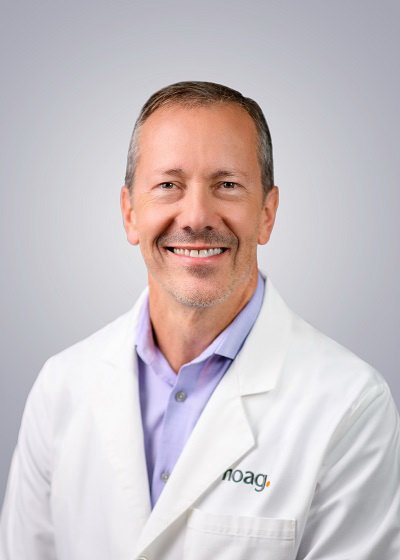
Medical Director, Hepatobiliary and Pancreas Surgery

Hepatobiliary and Pancreas Surgery
Metastatic Liver Cancer Medical Oncologist
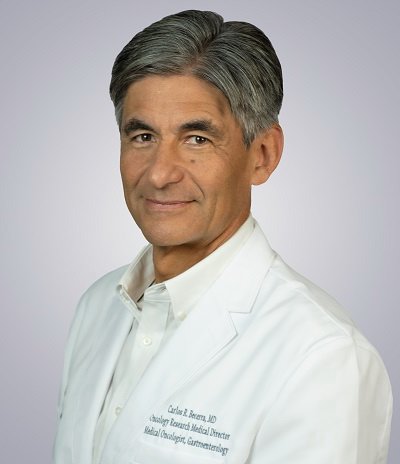
Margaret Givan Larkin Endowed Chair in Developmental Cancer Therapeutics

Medical Director, Hepatobiliary Cancer
Radiation Oncologists

Medical Director, Radiation Oncology Program
Radiation Oncology
Radiation Oncology
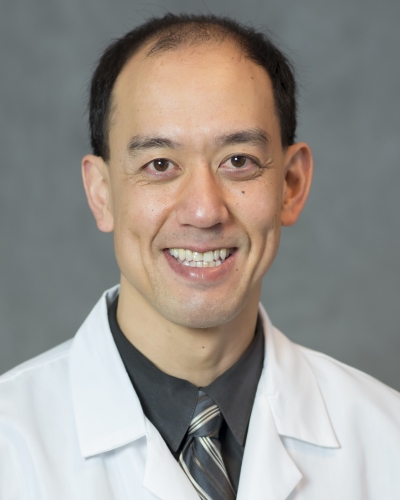
Radiation Oncology

Radiation Oncology
Hepatologists
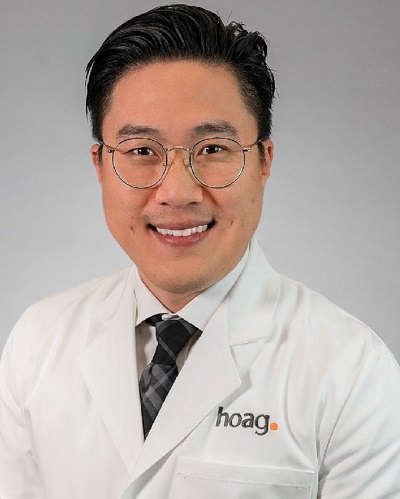
Co-Director, Liver Program, Hepatology
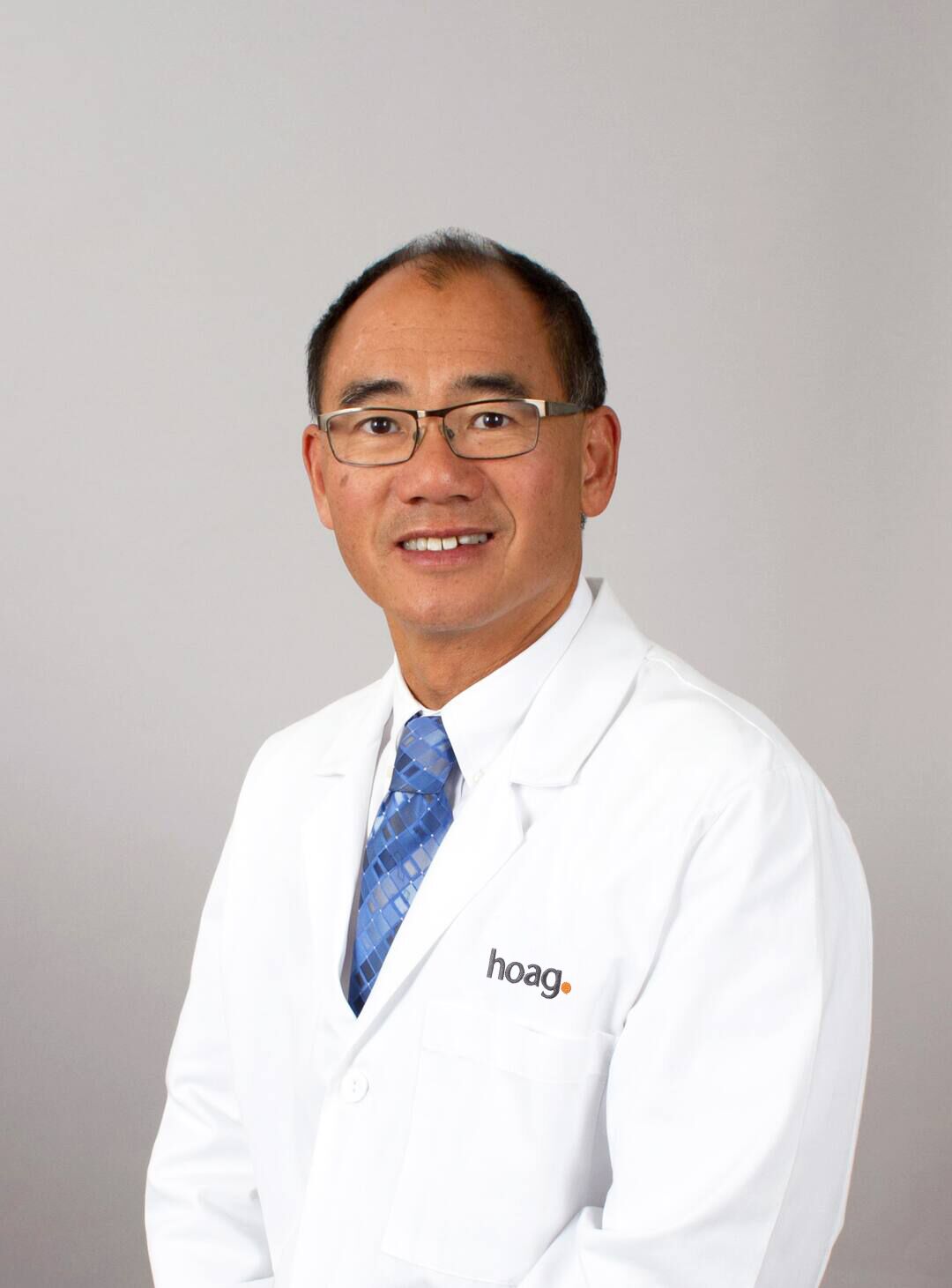
Co-Director, Liver Program, Hepatology
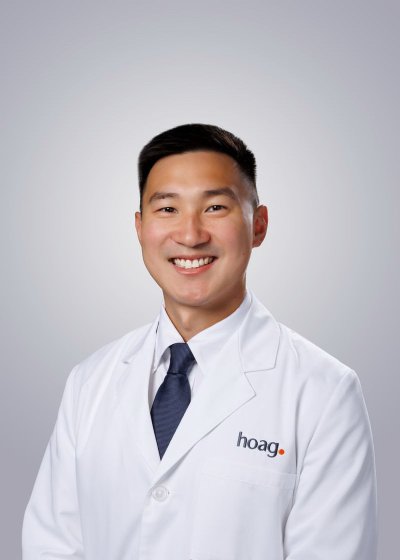
Hepatology
Advanced Endoscopists

James & Pamela Muzzy Executive Medical Director Endowed Chair in GI Cancer, Digestive Health Institute, Gastroenterology
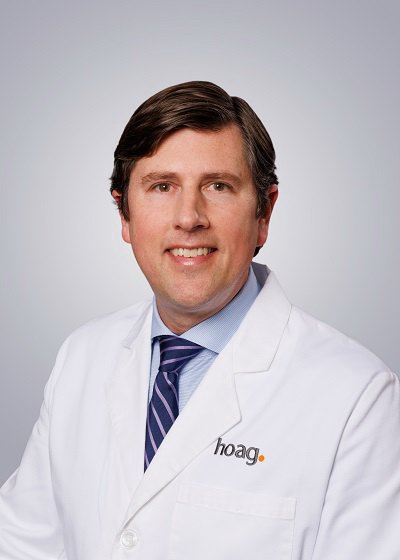
Medical Director Hoag GI Lab, Gastroenterology

Medical Director of Hoag Advanced Endoscopy Center, Gastroenterology

Medical Director, Hoag Irvine Advanced Endoscopy, Director of Bariatric Endoscopy, Gastroenterology

Gastroenterology
Pathology
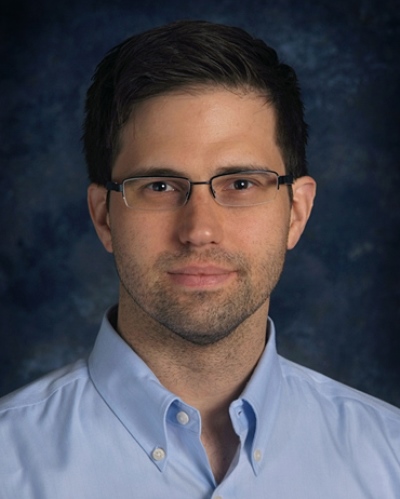
Medical Director, Hoag Molecular Pathology
Interventional Radiology

Radiology & Imaging

Interventional Radiology

Interventional Radiology
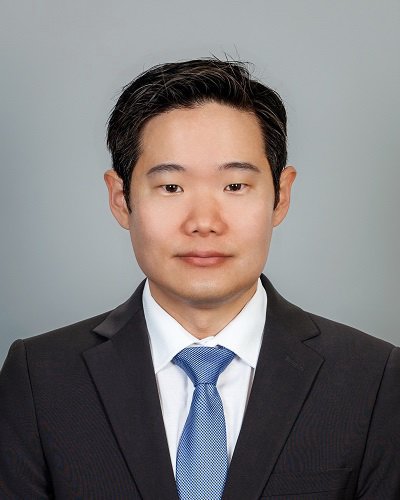
Interventional Radiology

Interventional Radiology
Metastatic Liver Cancer Nurse Navigator

Clinical Nurse Navigator
Hoag's Precision Medicine Program
Hoag’s Precision Medicine Program combines genomics and genetics to diagnose, treat, and prevent diseases. Using the latest advances in genomic technologies, targeted therapies and research, our precision medicine program brings together a multidisciplinary team, including a robust genetic counseling group of experts, to provide patients with the latest in innovation and technology.
Hoag Family Cancer Institute Social Workers
Being diagnosed with cancer can feel overwhelming at times. Many patients and their families need help with coping and can benefit from supportive counseling. Oncology Clinical Social Workers are available to provide emotional and practical support during all stages of cancer including diagnosis, treatment and post-treatment survivorship.
Hoag Family Cancer Institute Dietitians
Hoag Family Cancer Institute dietitians work closely with patients’ physicians, nurses, therapists, and social workers to ensure complete care.
Stay up-to-date on the latest news from Hoag
By submitting this request, you agree to receive communications from Hoag and accept our Privacy Policy and Terms of Use.