Melanoma & Skin Cancer
16105 Sand Canyon Ave., Ste. 220, Irvine CA 92618
- About
- Diagnosis & Treatment
- Mohs Surgery
- Vectra Total Body Photographic Imaging
- Meet the Team
- FAQ
Do I have Melanoma?
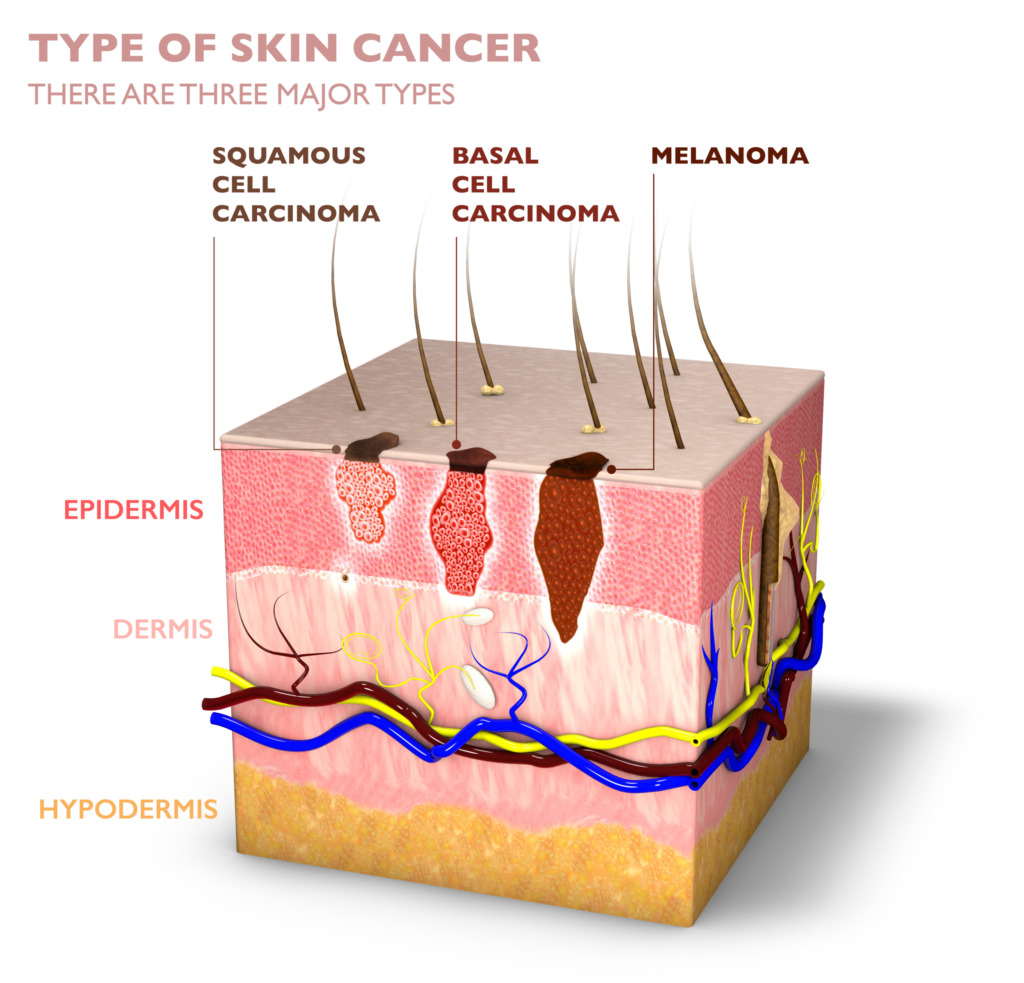
Melanoma is a type of skin cancer that originates in the melanocytes, the cells that produce pigment in the skin. Melanomas can develop anywhere there is pigmented skin, even on internal organs or the eyes, but most often occur on parts of the body exposed to the sun, including the face, arms, back and legs.Though melanoma is very treatable if diagnosed early, it is considered the most dangerous type of skin cancer due to its quick growth and ability to spread to any organ inside the body. Though only about 1 percent of all diagnosed skin cancers in the U.S. are melanoma, the disease causes the majority of skin-cancer-related deaths.
At Hoag, Our Whole-Body, Patient-First Philosophy Is All About You
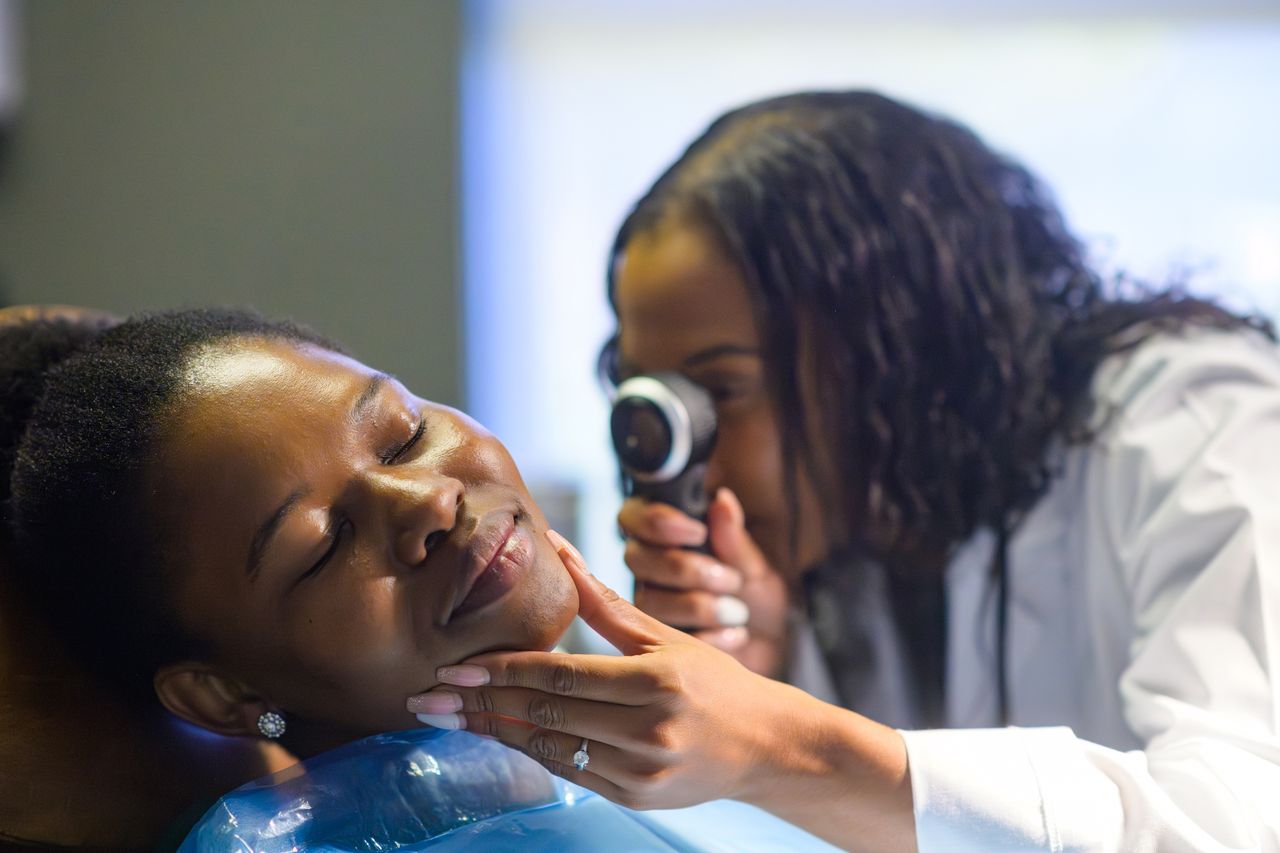
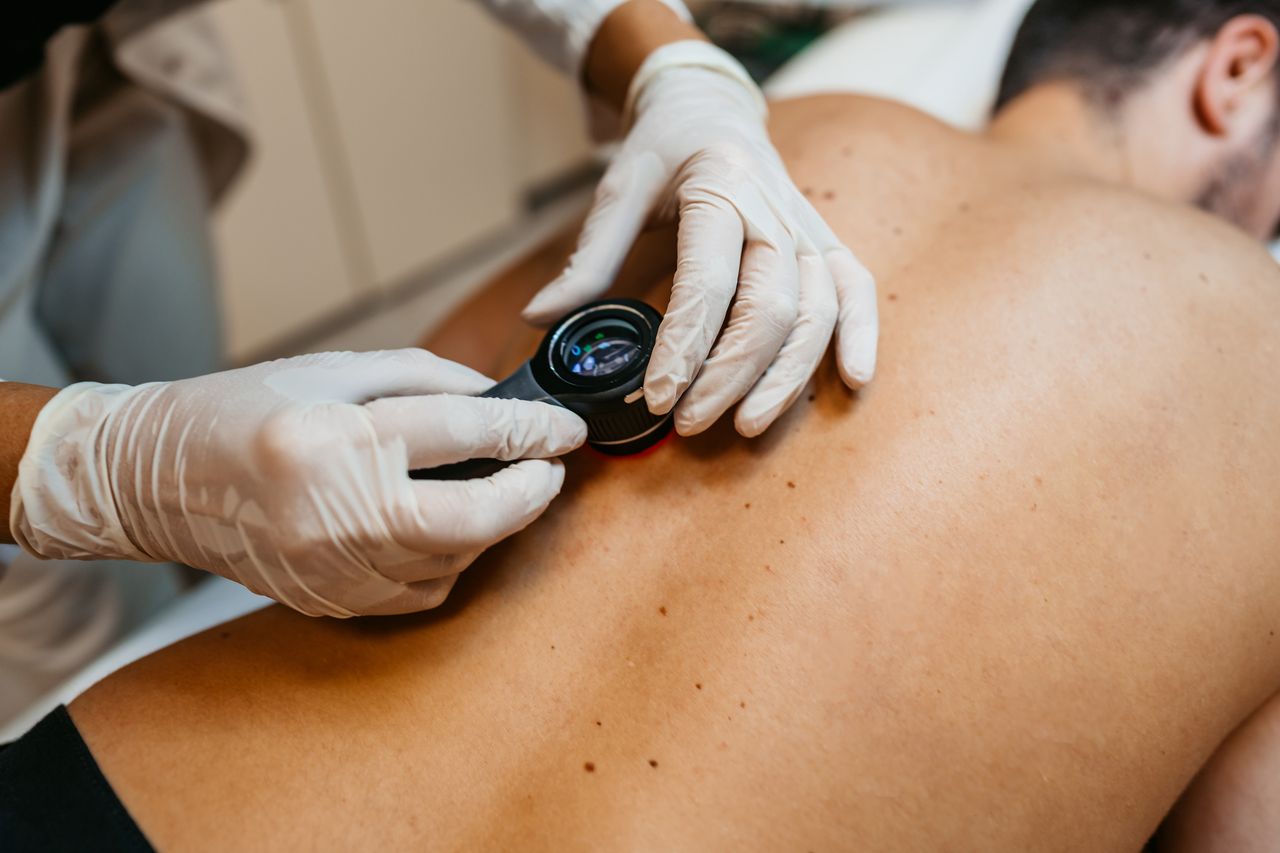
Helping to limit anxiety and calm fears, when patients come to us with a potentially worrisome blemish, spot or mole, our skin exams are detailed and thorough, helping patients feel confident and comfortable. Our team sees every exam as an opportunity to educate and our world-class team of specialists take the time to explain as we examine, helping patients not only understand why one mole is safe while another is potentially malignant, but also which specific factors lead to that determination.
At Hoag, we understand the power of seeing every patient as a whole person, not just a name on a chart. And it’s another great reason to trust Hoag for your dermatologic care.
The most frequent early symptom of melanoma is finding a previously-unnoticed spot on the skin, or changes to the size, shape or color of an existing mole or blemish.
In evaluating suspect spots, moles or blemishes, the CDC suggests that those deciding whether to consult their doctor should remember “A-B-C-D-E.” It stands for:
Asymmetry: If you divide the spot in two, does it have an irregular shape that makes the two halves look different?
Border: Is the border of the spot uneven, irregular or jagged?
Color: Is color in the spot unevenly distributed across its surface?
Diameter: Is the spot larger than the diameter of a standard pencil eraser?
Evolving: Has the spot noticeably changed in color, size, shape or other characteristics over a period of weeks or months?
If the answer to one or more of these questions is yes, be safe and see your doctor.
There are a number of factors that are believed to increase your risk of developing melanoma.
Certain individuals are at higher risk for melanoma. These may include:
Fitzpatrick skin types I, II
Type I – described as skin that always burns, never tans and is sensitive to UV exposure
Type II – described as skin that burns easily, tans minimally
Excessive UV light exposure: excessive exposure to the sun or using indoor tanning beds
A history of severe, blistering sunburns
Family history of melanoma
Personal history of non-melanotic skin cancers
However, not all melanomas are at high risk. Here are some additional, more specific, risk factors for melanoma:
Having fair skin
A previous diagnosis of melanoma
Having more than 50 moles on your skin
Diagnosis with dysplastic nevi, which are a variety of moles which tend to be larger, and of an irregular color and shape
A weakened immune system (immunosuppression)
Familial melanoma
CDKN2A or CDK4 mutations
Melanocortin 1 Receptor Genotype
Childhood cancer survivors (previous treatment with XRT)
Parkinson’s Disease
Ways to reduce your risk of developing melanoma may include:
Check your skin regularly
Avoid purposeful tanning, whether in the sun or in a tanning bed
Avoid the sun during the middle of the day
Wear sunscreen when outdoors, year round, as the Skin Cancer Foundation says that daily use of sunscreen of at least 15 SPF can lower your risk of developing melanoma by at least 50 percent.
Limit your exposure to the sun while working outdoors through seeking shade, wearing clothing that covers more of your skin, applying a high-SPF sunscreen or working in the morning or late afternoon
The simplest step is to visit your dermatologist for a skin check-up once a year, or every six months if you have a family history.