Concerned About GERD?
- Overview
- Symptoms & Causes
- Diagnosis & Treatment
- Resources
How GERD is diagnosed
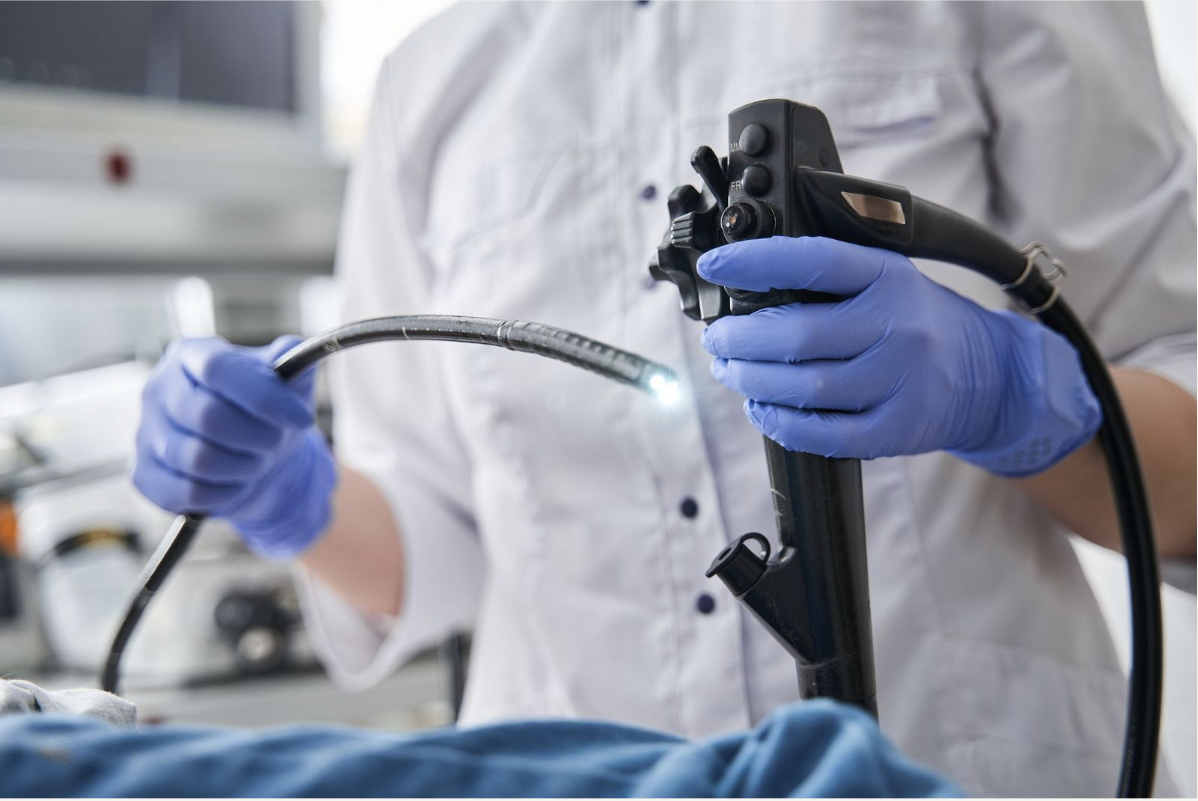
Diagnosing gastroesophageal reflux disease (GERD) usually begins with a detailed discussion of your symptoms and medical history, followed by a physical examination. In many cases, this is enough for your doctor to make a diagnosis and recommend a treatment plan. If your symptoms are more persistent or suggest there may be other factors involved, your doctor may recommend additional tests. These help ensure an accurate diagnosis and allow for a treatment approach that’s tailored to your individual needs and long-term well-being.
Common procedures
Treatment & Prevention
Lifestyle Changes
There’s no known way to definitely prevent yourself from developing GERD. However, there are certain steps you can take to reduce your risk of developing the condition. These may include:
Eat a balanced, healthy diet
Maintain a healthy weight
Don’t smoke
If you experience acid reflux at night, elevate your head 6-8 inches with extra pillows or a foam wedge, or by placing blocks or risers under the feet of your headboard
Sleep on your left side, which may make it less likely you’ll experience reflux
Get screened for hiatal hernia, which is a condition in which the upper part of the stomach can move up into the chest
Tell your doctor if you begin experiencing acid reflux or GERD symptoms while taking certain medicines (see above.)
Over the counter medications are often initially recommended to help treat GERD. These can also be used as a diagnostic tool to see if your symptoms respond to treatment, therefore understanding if GERD is your underlying cause of symptoms.
Medications
In very rare cases in which GERD doesn’t improve following medication or lifestyle changes, your doctor may recommend a surgical procedure. These may include:
Surgery (Rare)
We’re committed to finding and using the latest and most advanced treatment options for conditions involving the esophagus and stomach. At Hoag, options for the treatment of GERD include:
Advanced Treatment Options
How GERD is diagnosed
Diagnosing gastroesophageal reflux disease (GERD) usually begins with a detailed discussion of your symptoms and medical history, followed by a physical examination. In many cases, this is enough for your doctor to make a diagnosis and recommend a treatment plan. If your symptoms are more persistent or suggest there may be other factors involved, your doctor may recommend additional tests. These help ensure an accurate diagnosis and allow for a treatment approach that’s tailored to your individual needs and long-term well-being.