Healthy Pregnancy
Pregnancy Diet
Nutrition is an important component to a healthy pregnancy. Throughout pregnancy, women should avoid fish high in mercury. Approximately two servings of shrimp, salmon or light tuna weekly are advised but sushi is not recommended. Women should also avoid high protein diets like Atkins. Pasteurized cheeses like Brie and Gorgonzola are okay to consume in moderation and one caffeinated drink per day is acceptable.
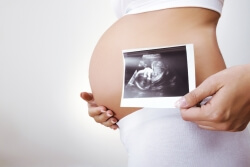
After the first trimester, to ensure a healthy pregnancy, women should focus on protein and vegetables, and consume fewer carbohydrates. This diet increases energy levels and helps prevent large babies and gestational diabetes. Additionally, balancing carbohydrates and proteins can reduce the risk of stillbirth, neonatal death or having a fetus small for its gestational age. Hoag is your resource for a healthy pregnancy.
Pregnancy Exercise
Regular exercise can help with having a lower risk pregnancy and an overall healthy pregnancy. It decreases the chance of preterm labor and preeclampsia, as well as helps reduce back pain and sleeping issues women often experience during pregnancy.

Prenatal yoga, swimming, walking, stationary bike and the elliptical are all good exercise options during pregnancy. If a patient already has an exercise regimen in place, she can continue her program but should avoid core exercises after 20 weeks. Maximum heart rate is not as important as being able to carry on a conversation while exercising. Sexual intercourse is also healthy throughout the entire pregnancy. Be sure to consult your doctor for specific questions you may have to ensure a healthy pregnancy.
Vaccines During Pregnancy
Vaccination is an important part of prenatal care and helps protect both mother and baby from serious, preventable illnesses. Medical organizations such as the American College of Obstetricians and Gynecologists (ACOG) recommend certain vaccines during pregnancy to reduce the risk of complications before and after birth.
The flu vaccine is recommended during pregnancy and can be given during any trimester. Pregnant women are more likely to experience severe illness from influenza, which can result in hospitalization and may pose risks to the developing baby.
The Tdap vaccine (tetanus, diphtheria, and pertussis) is recommended during every pregnancy, ideally between 27 and 36 weeks. Receiving the Tdap vaccine during pregnancy allows protective antibodies to pass to the baby before birth, helping protect newborns from whooping cough during their first months of life.
At Hoag, newborns are also routinely offered the Hepatitis B vaccine shortly after birth. Discussing vaccination plans with your care team before delivery can help you feel informed and prepared. For more detailed vaccine information, safety guidance, and recommendations, visit our Vaccines & Immunizations page.
To learn more about having your baby at Hoag, please visit our Pregnancy page.
Stay up-to-date on the latest news from Hoag
By submitting this request, you agree to receive communications from Hoag and accept our Privacy Policy and Terms of Use.