Pelvic Health for Men
Men’s Pelvic Floor Conditions We Treat:
Hoag’s Pelvic Health Program treats the specific conditions related to pelvic floor health that affect men’s health and quality of life. Bowel, bladder, sexual health and even pain issues may be due to underlying muscle dysfunctions that can be alleviated through pelvic floor physical therapy.
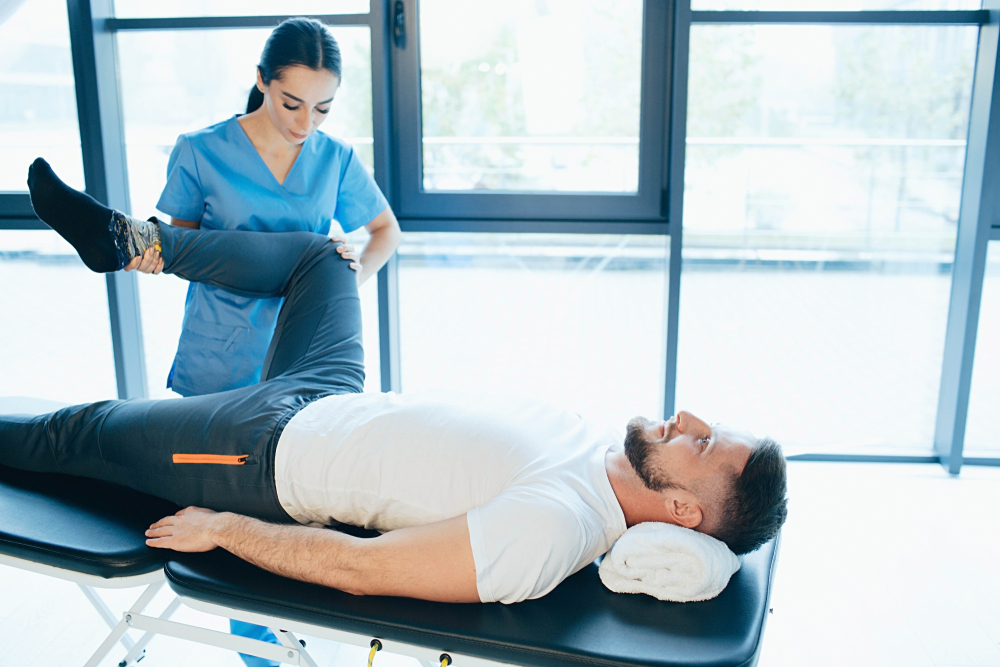
Chronic pelvic pain, testicular pain, penis pain, and prostate inflammation (prostatitis). These conditions can cause constant pain and/or pain both during urination and defecation.
Bladder incontinence and bladder dysfunction. Overactive bladder, incontinence or voiding issues can become common in men due to kidney stones, infections or other issues.
Bowel incontinence and bowel dysfunction. Loss of control of pelvic floor muscles can lead to bowel incontinence or dysfunction, debilitating issues that can have profound consequences on a person’s quality of life.
Painful bladder syndrome. Interstitial cystitis, or painful bladder syndrome, causes long-term pain or discomfort in your bladder and abdominal area, along with urinary frequency and urgency.
Sexual dysfunction. Age, surgery, even chronic constipation can lead to a loss of control of pelvic floor muscles and sexual dysfunction in men. Examples of sexual dysfunction include:
Erectile dysfunction (ED)
Premature ejaculation (PE)
Painful intercourse (dyspareunia)
Pain with erection or ejaculation
Pelvic organ prolapse, including rectal prolapse and prolapse of the bladder (cystocele). Rectal prolapse is a condition in which part of the rectum (end of the large intestine) bulges into the anus. In cystocele, part of the bladder herniates into the scrotum.
Cancer-related conditions, such as symptoms from pelvic radiation or pre-and post-operative care for prostatectomy and neobladder. Radiation therapy and surgery can significantly impact your pelvic floor health.
Prostatic hypertrophy (or prostatic hyperplasia). An enlarged prostate can cause difficulty with urination or frequent urination.
To learn about the Pelvic Health Program services to treat pelvic floor conditions, click here.
Stay up-to-date on the latest news from Hoag
By submitting this request, you agree to receive communications from Hoag and accept our Privacy Policy and Terms of Use.