Painful periods aren't always normal: Understanding endometriosis
Women seeking a solution to painful menstruation want more options than aspirin and a heating pad. Unfortunately, lack of awareness about endometriosis and other conditions can cause women to suffer in silence for years—or even generations.
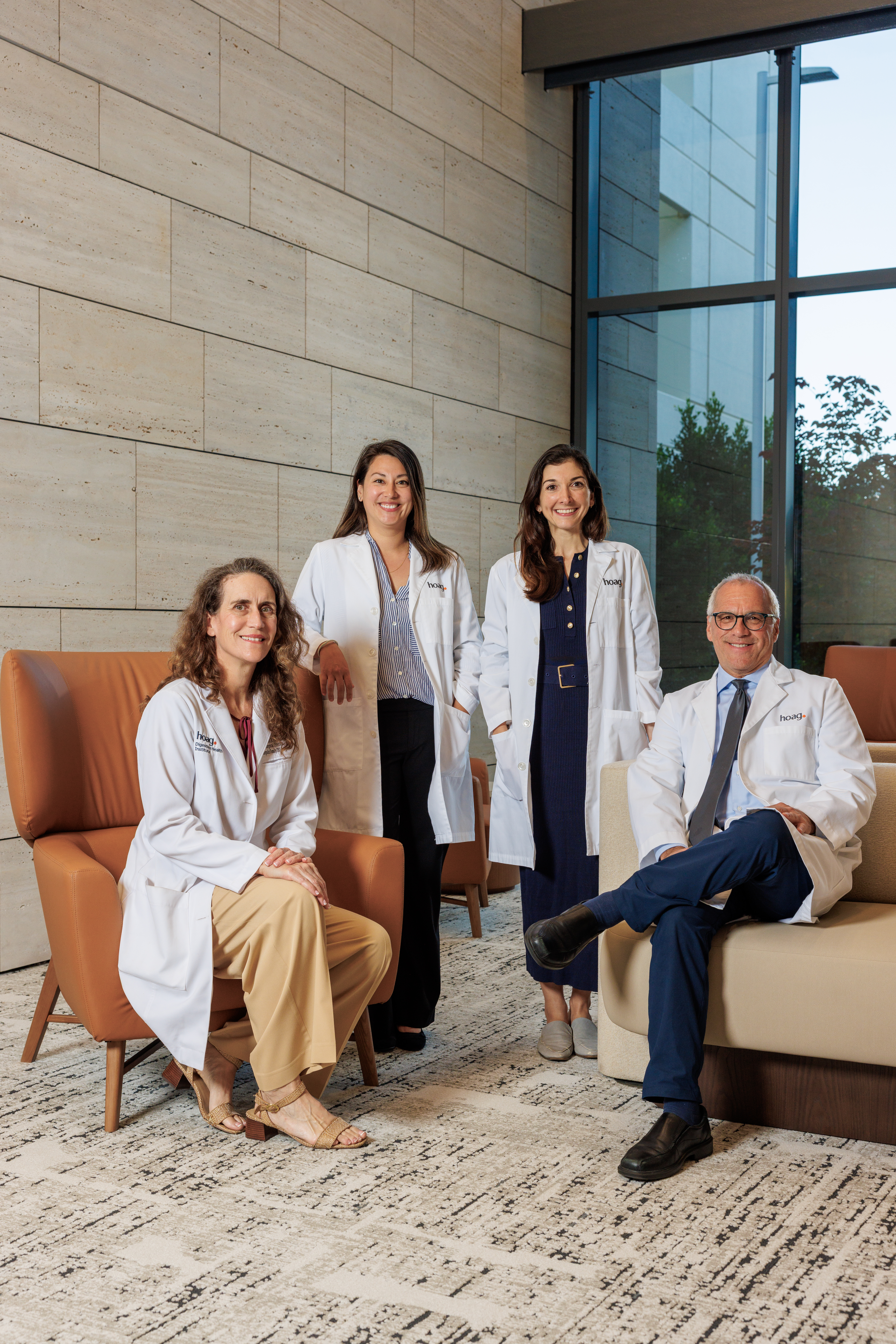
"We see patients whose mothers and grandmothers experienced painful periods, and they think, 'That's just how it is,'" says Dr. Marc Winter, Medical Director of Minimally Invasive Surgery at Hoag's Women's Health Institute. "Pain is a signal from your body saying that something is wrong. While some pain associated with your period may be expected, debilitating pain is not normal."
What causes painful periods?
There are two types of period-related pain: primary and secondary. Primary period pain is usually caused by an overproduction of prostaglandins, a chemical that makes the uterus contract. Secondary menstrual pain is often the result of conditions such as fibroids or endometriosis—and endometriosis is among the most common and overlooked causes.
Endometriosis is a chronic condition in which tissue like that of the uterine lining grows outside the uterus, causing inflammation, fertility issues and pain during intercourse, menstruation or bowel movements.
Because symptoms often resemble other conditions, like irritable bowel syndrome, endometriosis can elude diagnosis for years. The condition affects 1 in 10 women of reproductive age, yet the average amount of time from the first onset of symptoms to diagnosis is seven to 10 years. Part of the delay is biological, as symptoms often overlap with other conditions. The other part is cultural. Women are too often told their pain is normal, exaggerated, or simply part of being female, and many accept that answer because their mothers and grandmothers did too.
"There are many reasons why women's pain is underdiagnosed, misdiagnosed or overlooked," Dr. Winter says. "As a rule of thumb, if your period affects your work or school, if you always have to take pain medication with your period, or if you have symptoms outside of uterine cramping such as headache, fatigue, vomiting, diarrhea or dizziness, talk to your gynecologist."
How to treat painful periods
Treatment depends on the individual. For women who want to retain their fertility, hormonal therapies can slow the growth of endometriosis or curb the overproduction of prostaglandins that drive primary period pain. For those who are done having children, minimally invasive procedures such as ablation or laparoscopic hysterectomy can successfully resolve the condition. In all cases, the right treatment pathway depends on a patient's symptoms, severity and goals, which is why a multidisciplinary approach matters.
At Hoag, that approach includes counseling, lifestyle management and surgical expertise under one roof. The hospital's GYN robotic team is recognized as a Center of Excellence in Robotic Surgery by the Surgical Review Corporation—a distinction that reflects the depth of specialized care available to patients.
"We have the expertise here at Hoag to diagnose and treat your condition and give you your life back," Dr. Winter says. "No one should have to suffer in pain."
Learn more about the Gynecologic and Pelvic Health Program and the Gynecologic Robotic Surgery Program at Hoag.