Beyond weight loss: How Hoag’s bariatric surgery program transformed one patient’s life

For Chanel Diaz, 35, a long and ceaseless battle with her weight began when she hit puberty.
“I started dieting at the age of 12,” she said. “I’d gain weight, lose weight, feel excited about the weight loss, and then the pounds would just creep back on.”
She tried Phentermine, a popular weight loss medication that predates GLP-1s, but the results were all too familiar—pounds lost followed by pounds gained once she tapered medication.
“Plus, the side effects were pretty terrible,” she recalled. “My heart would race and I couldn’t sleep.”
Chanel’s struggle continued well into adulthood. At her heaviest, she weighed 230 pounds.
“I had gotten to a place where I felt as if I could no longer move or breathe comfortably,” she said. “Normal everyday activities that seemed so easy for my friends, like hiking, had become really challenging.”
Even with the recent approval of GLP-1 medications for weight loss, she knew she didn’t want to try another medication.
She confided in a family friend who had recently undergone bariatric surgery.
“As someone who had also struggled with weight problems for much of his life, he told me that his one regret was that he hadn’t had the surgery sooner.”
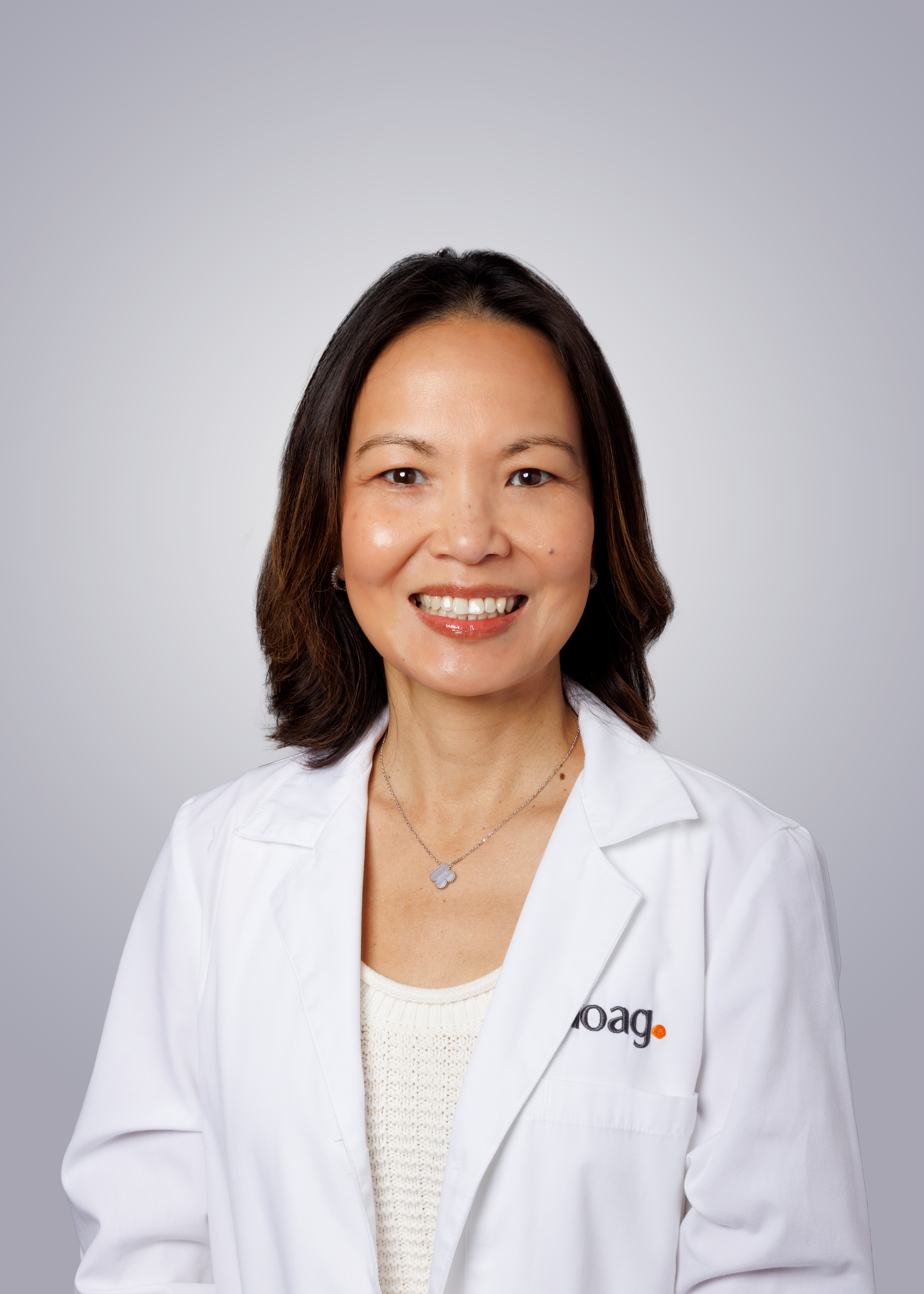
Chanel met with Adrian Dobrowolsky, MD, director of the Bariatric Surgery Weight Loss Program at Hoag’s Digestive Health Institute.
“Chanel had struggled for a long time,” Dr. Dobrowolsky said. “She’d tried a lot of different things—exercise programs, dieting, even medications—but never achieved long-term success. Surgery became the best option because it gave her a tool to finally sustain those changes.”
Obesity rates have doubled since 1990, now affecting 1 in 8 people globally. While there is plenty of conjecture suggesting that obesity is rooted in a lack of willpower, Dr. Dobrowolsky emphasized that obesity is a chronic medical condition that requires a structured, long-term approach.
“The American Medical Association designated obesity as a chronic disease for a reason,” he said. “It’s a medical problem, just like diabetes or hypertension, that has far-reaching effects on the body. When we treat it as such, it opens the door to meaningful solutions.”
What sets Hoag’s program apart, he added, is its comprehensive multidisciplinary structure and ongoing support.
“Our biggest strength is follow-up care,” he said. “We don’t just perform the procedure and send patients on their way. We monitor labs, address nutritional needs, provide psychological and behavioral support, and ensure that every part of the patient’s health is cared for. We have every specialist at our fingertips—from cardiologists to dieticians—so nothing falls through the cracks.”
For Chanel, this approach made all the difference. “It was the first time I really felt seen and heard,” she said.
She decided to undergo a sleeve gastrectomy. The most common and least invasive bariatric procedure, it involves removing 80% of the stomach’s volume, allowing patients to experience satiety and fullness faster while also triggering hormonal changes that help control appetite.
“Even with newer medications on the market, bariatric surgery is the most effective short and long-term weight loss solution, with decades of research to support its effectiveness,” Dr. Dobrowolsky said.
Since her surgery two years ago, Chanel has lost 75 pounds. Though she has experienced the many benefits of weight loss, her newfound active lifestyle is her proudest achievement.
“My life now revolves around exercise and movement,” she said. “We live in a culture that is very much about food and alcohol, and personally, I’d rather go camping or disc golfing. I took up Brazilian jiujitsu a year ago, and I love it. I’m even thinking of hosting my birthday at the dojo so that my friends can also experience how empowering a self-defense class can be.”
While her journey has been challenging, she hopes it will help others on a similar path understand that personalized treatment options are available.
“For anybody experiencing what I did, I encourage them to just consider Hoag’s program—even if they aren’t interested in surgery as an option. It’s an incredible resource with so much to offer. They gave me my life back.”
Learn more about the Bariatric Surgery Weight Loss Program at Hoag’s Digestive Health Institute.